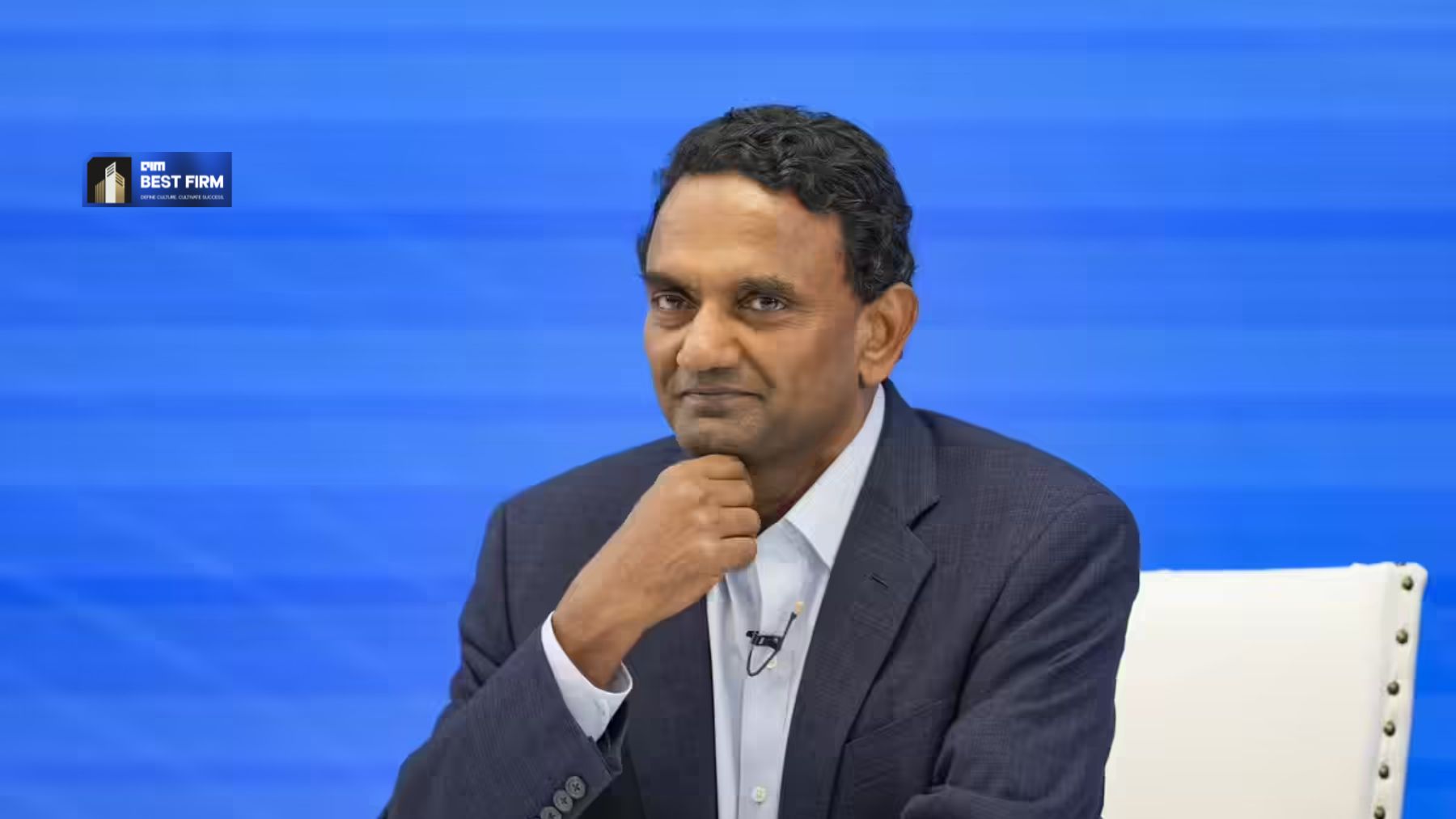
AI Will Not Trigger Mass Layoffs, Says TCS Chief
India’s largest IT services company has sought to calm concerns over artificial intelligence disrupting jobs in the outsourcing sector. K Krithivasan, chief executive of Tata Consultancy Services (TCS), said in an interview that the company does not foresee widespread layoffs resulting from AI adoption.
“There will always be some segment within some small pockets within the company who will not fit in the scheme of things,” Krithivasan said. “AI is not going to create lay-offs by itself.”
The comments come after TCS reduced its workforce by nearly 30,000 employees over the past two quarters, representing roughly 5% of its staff, through a combination of layoffs and voluntary exits. Krithivasan said these changes were part of broader operational adjustments rather than direct consequences of AI.
He added that TCS’s AI services are gaining momentum among clients, helping the company improve productivity and freeing capacity to take on new deals. The chief executive described AI adoption as a means to increase operational efficiency rather than a driver of large-scale job cuts.
AI Adoption and Workforce Strategy
TCS has been integrating AI into both internal operations and client projects, reporting annual revenue of $1.8bn from AI services, up 17.3% year on year. Overall quarterly revenue rose 0.6 per cent to $7.5bn for the quarter ending December 2025.
The company is using AI tools to streamline processes, enhance client services, and support complex technology projects. Krithivasan highlighted that while some roles may change or be phased out, human expertise remains critical for client-specific implementations, oversight, and problem-solving.
TCS is also investing in workforce skill development. Management initiatives have focused on retraining staff for AI-related roles and equipping employees with capabilities to handle advanced technology solutions. These efforts are designed to ensure employees remain aligned with evolving client needs.
Other major Indian IT firms are taking similar steps. Infosys, for example, recently increased its headcount by over 5,000 to reach 337,000 employees and reported that 90 per cent of its 200 largest clients are integrating AI into operations. The company also raised its full-year revenue growth forecast after securing deals, including a $1.6bn contract with the UK’s National Health Service, aimed at using AI to streamline operations and improve patient care.
Salil Parekh, Infosys chief executive, said during an earnings call, “We had strong momentum in AI adoption across our client base,” citing partnerships with AI-focused firms to support financial services clients.
Indian IT Industry and Employment Context
Krithivasan’s comments align with changes in India’s IT services sector, where companies are balancing workforce management with technological adoption. The release of AI models capable of automating tasks like customer support, data processing, and software development initially raised concerns about potential job losses. However, industry data suggest that AI-enabled services are creating new opportunities and helping offset slower sales in TCS’s largest markets, the US and Europe.
Analysts note that companies are actively collaborating with AI firms such as OpenAI and Anthropic to develop customised tools for clients. Abhishek Pathak, an analyst at Motilal Oswal Financial Services, said, “IT services companies are willing to cannibalise a bit of their revenues to thrive in the next phase of services.”
Despite positive developments in AI adoption, investor sentiment remains cautious. Shares of TCS have declined over 20% in the past 12 months, while Infosys and Wipro have fallen by 8% and 20%, respectively. Analysts attribute part of this trend to uncertainty over whether current slowdowns reflect structural changes or cyclical weakness in the US economy.
Quarterly bookings across the sector remained flat year on year at $16.5bn for the December 2025 quarter. Aside from three large deals worth $2.6bn collectively secured by Infosys, Tech Mahindra, and HCLTech, new client wins were limited. Goldman Sachs analysts noted that demand is “stable-to-improving, though with limited visibility on the extent of recovery” in 2026.
Other challenges include geopolitical pressures and policy changes. US visa regulations, interest rates, and inflation in key markets have influenced hiring and workforce localisation strategies among Indian IT firms. Companies are navigating these challenges while expanding AI capabilities and realigning employee roles to support both productivity and client service requirements.
Krithivasan said that AI has delivered measurable value in productivity and operational efficiency. “This technology delivers value in terms of productivity, in terms of helping you do things that you have not been able to do before,” he said. “We believe it is going to deliver value.”

About Mansi Mistri
Mansi is a writer who enjoys breaking down complex topics into simple, readable stories. She is curious about how ideas move through people, platforms, and everyday conversations. You can reach out to her at [email protected].