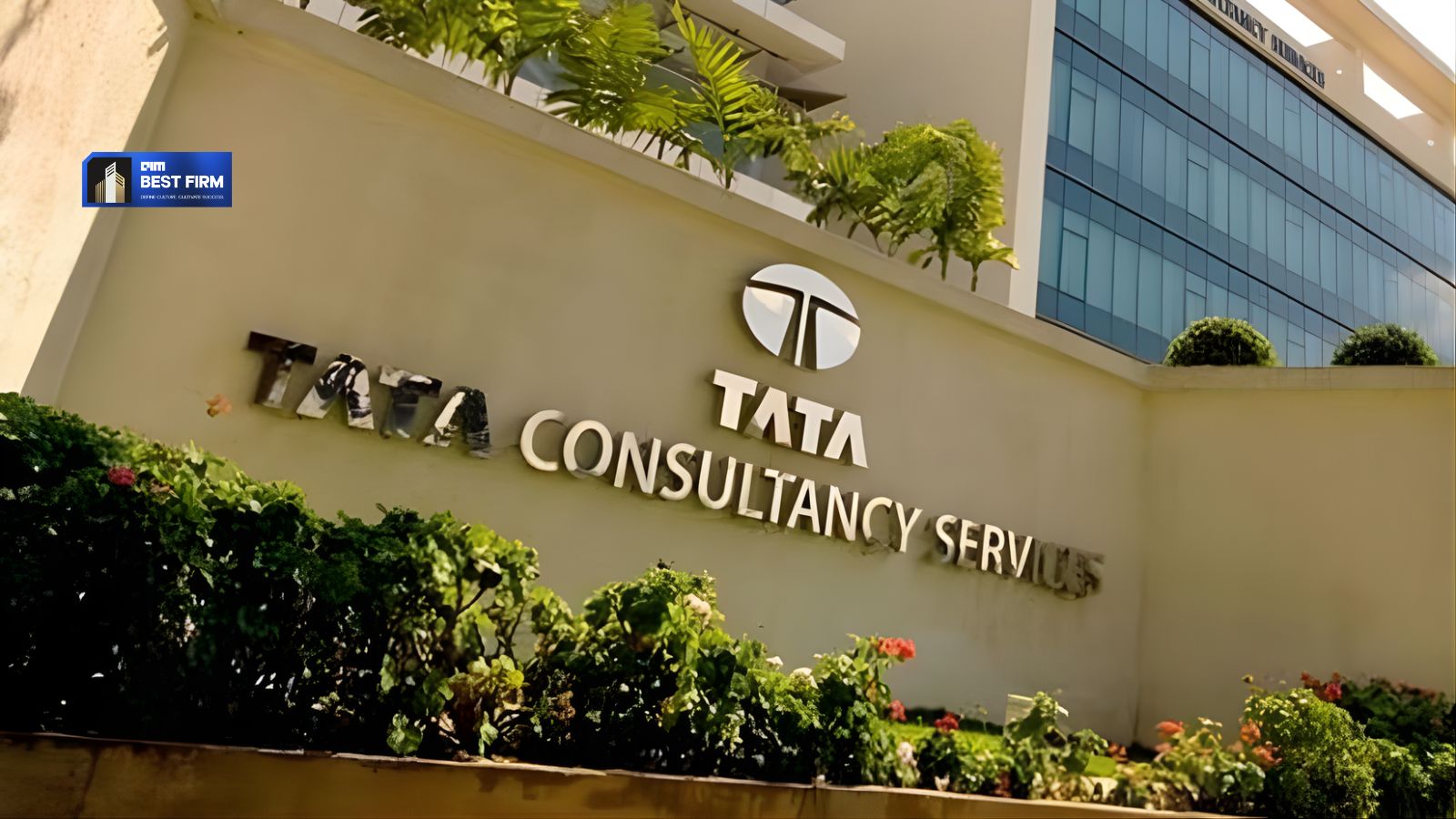
TCS reports over 11,000 drop in employee count in Q3FY26, fresher intake rises sharply
Tata Consultancy Services (TCS) reported a significant increase in fresher hiring and large-scale artificial intelligence training during the third quarter of FY26, even as its overall employee count declined and profitability weakened. The country’s largest IT services company said it doubled the intake of fresh graduates compared with the previous quarter and trained more than 217,000 employees in advanced AI skills, highlighting continued investment in workforce capability amid a cautious demand environment.
The third-quarter update also drew attention for what it left out. Unlike prior earnings disclosures, TCS did not explicitly state its total workforce strength in its Q3 communication. Employee headcount is a closely watched metric in the IT services sector and is often used by analysts and investors to assess demand trends, utilisation, and execution capacity.
The quarter was marked by a net reduction in employees, elevated attrition, and a year-on-year decline in profit, alongside steady revenue growth and strong AI-related deal momentum. These developments were reported by Storyboard18 and supported by statements made during the company’s earnings call.
Freshers Hiring and Workforce Development Initiatives
TCS said it doubled its fresher hiring during the third quarter, stepping up onboarding of early-career talent compared with the previous period. The company linked the increase to its focus on building a sustainable talent pipeline to support ongoing delivery requirements and long-term capability needs.
According to the Storyboard18 report, the freshers hired during Q3 were described as having higher-order skills, indicating a tilt toward graduates trained in digital, data, and emerging technology areas. While TCS did not provide a detailed breakdown of campus programmes or hiring geographies, the company has traditionally relied on large-scale graduate recruitment across India to meet workforce requirements.
The increase in fresher intake came at a time when IT services firms are balancing selective hiring with cost controls and productivity measures. TCS stated that it continued delivery-linked hiring during the quarter, suggesting that the additional onboarding was aligned with active client engagements rather than broad-based expansion.
Despite the higher fresher intake, the company reported a net decline in its workforce. TCS reduced its employee base by 11,151 on a sequential basis in Q3. In the previous quarter, Q2 FY26, the company had reported a larger net reduction of 19,755 employees. This indicates that exits during the period continued to outpace new additions.
Attrition remained elevated at 13.5 percent on a last-twelve-month basis for IT services. TCS did not provide further details on the composition or drivers of attrition in its Q3 disclosures.
Training Scale: AI and Technology Upskilling
Alongside hiring, TCS highlighted the scale of its internal training efforts, stating that more than 217,000 employees had been trained in advanced artificial intelligence skills during the quarter. The figure was shared by Chief Human Resources Officer Sudeep Kunnumal during the earnings commentary.
The AI training forms part of TCS’s broader upskilling programme aimed at expanding technical depth across the workforce as client demand shifts toward automation, data platforms, and generative AI-led solutions. While the company did not outline the specific structure of the training in detail, TCS has previously used internal digital learning platforms, structured courses, and role-based curricula to reskill employees.
The company reported that annualised AI services revenue reached $1.8 billion in Q3, representing a 17.43 percent sequential increase. Management attributed this growth to higher enterprise spending on AI-led transformation initiatives, including automation and data modernisation projects.
Chief Executive Officer and Managing Director K Krithivasan said investments across the AI stack were beginning to support growth, while Chief Financial Officer Samir Seksaria stated that execution of the company’s five-pillar AI strategy remained central to its long-term plans. The training numbers were presented as capability-building measures aligned with current business demand.
TCS also reported a total contract value of $9.3 billion during the quarter, indicating steady deal activity alongside its workforce upskilling efforts.
Omission of Total Headcount Disclosure
A notable aspect of TCS’s Q3 earnings communication was the absence of an explicit disclosure of total employee headcount. According to Storyboard18, the company did not state its consolidated workforce strength in its primary Q3 results announcement, marking a departure from past practice.
In earlier quarters, TCS has routinely disclosed total headcount along with net additions or reductions and attrition metrics. For context, the company had reported a workforce of about 593,314 employees at the end of Q2 FY26 following a net decline that quarter. Subsequent reporting indicated that the employee base stood at 582,163 at the end of Q3, reflecting continued workforce contraction.
Employee headcount is widely tracked in the IT services sector as an indicator of delivery capacity and demand conditions. The omission of this figure therefore stood out, even as TCS continued to disclose other workforce-related data such as attrition and training scale.
Separately, employee union NITES alleged that certain employee exits were being categorised as voluntary attrition. These claims were reported as allegations and were not addressed by the company in its earnings statement.

About Mansi Mistri
Mansi is a writer who enjoys breaking down complex topics into simple, readable stories. She is curious about how ideas move through people, platforms, and everyday conversations. You can reach out to her at [email protected].