Latest Insights
Explore our latest thoughts, research, and insights on industry trends
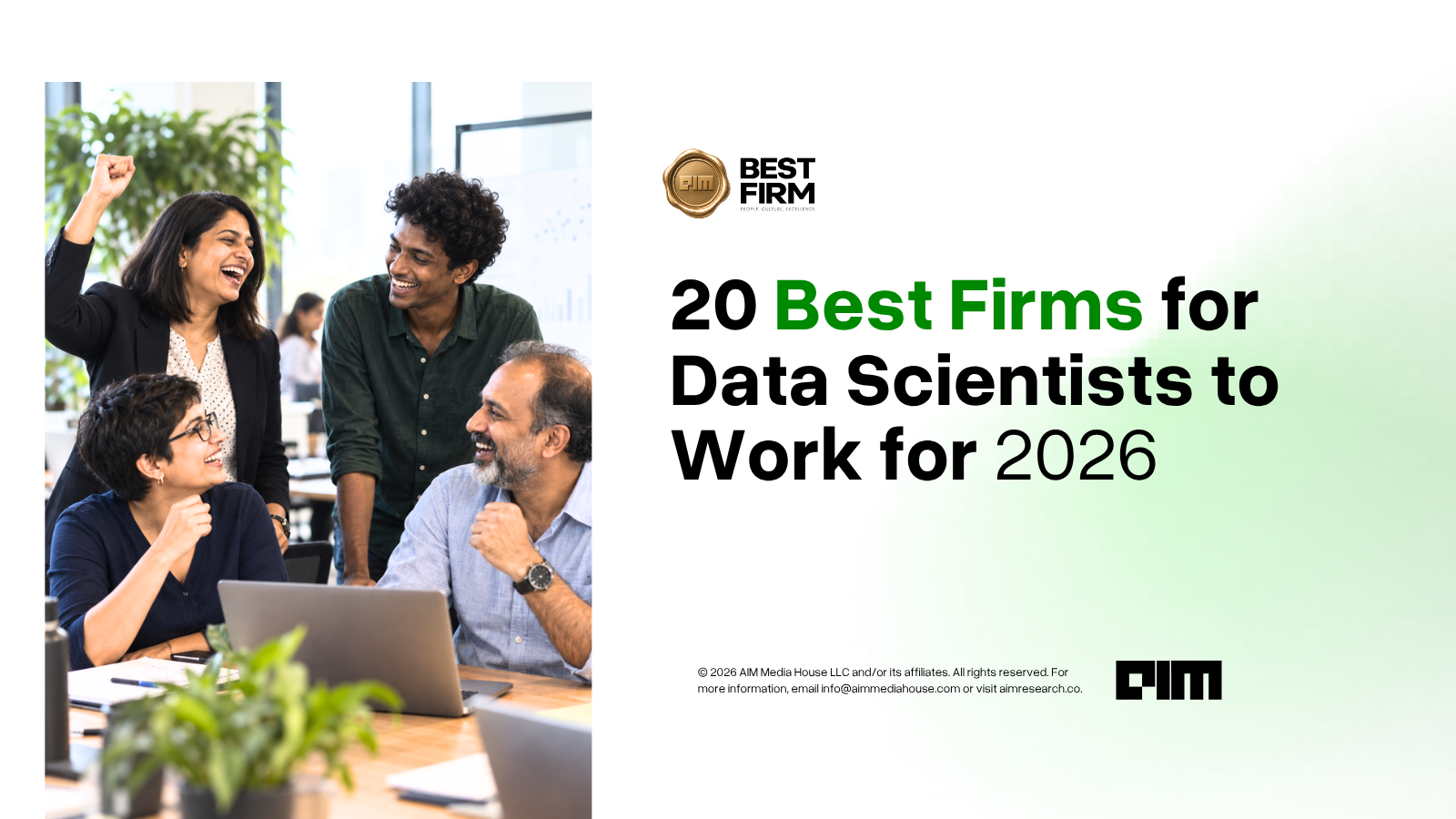
Top 20 Best Firm for Data Scientists to Work For 2026
The 2026 Best Firms ranking is live. 20 companies. 1,600+ employee voices. The definitive list of India's best workplaces for Data & AI talent.
AI Is Rewriting Hiring. Humans Still Make the Final Call
Modern ATS platforms already incorporate AI, allowing recruiters to organise applications and rank candidates using customised parameters.

How to Attract AI Talent in 2026: What Top Employers Do Differently
AI professionals are looking beyond compensation. Employers that offer meaningful work, continuous learning, modern technology and a strong workplace culture are emerging as the preferred destinations.
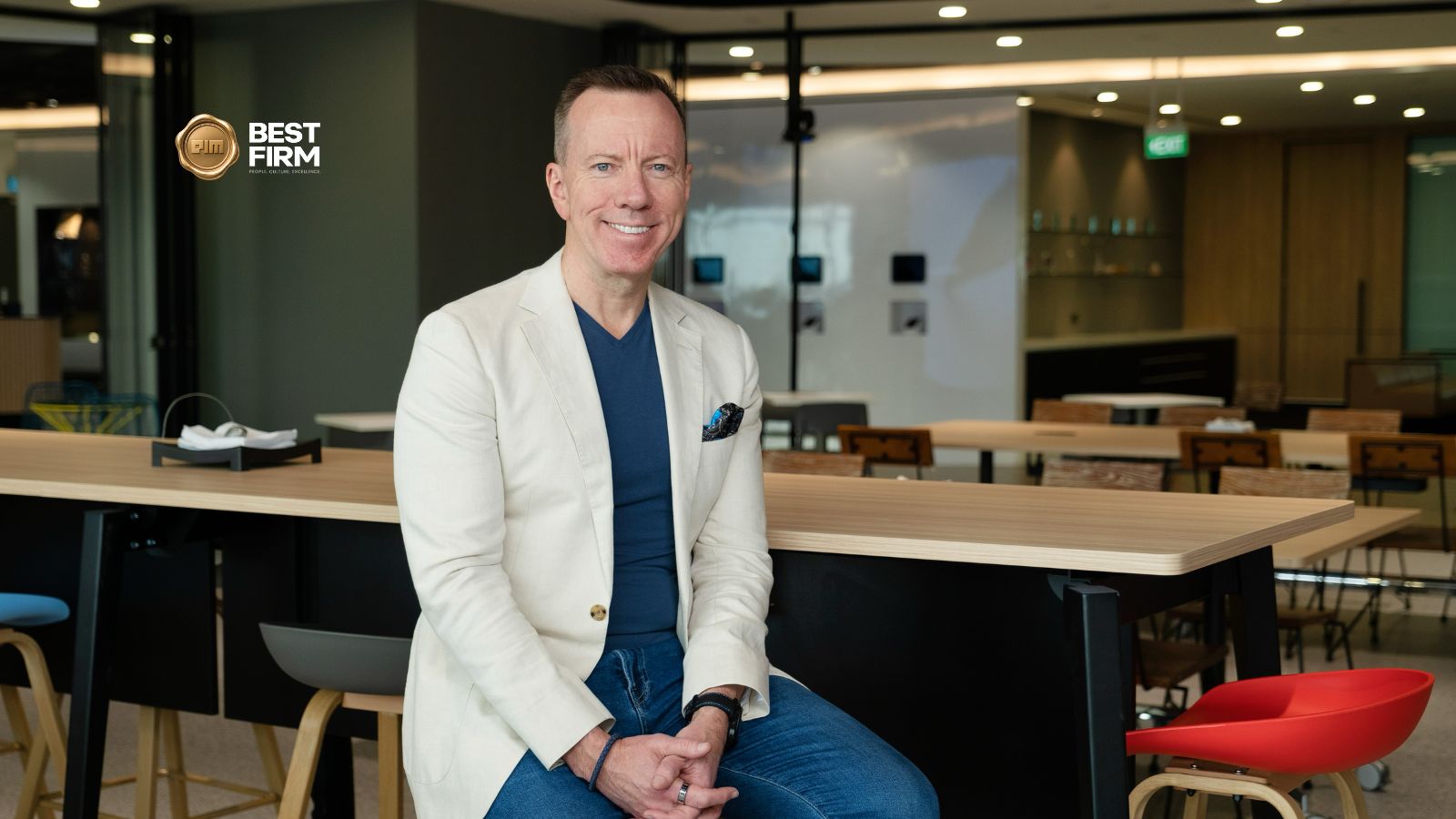
Workday Appoints Ex-NTT Data APAC CEO John Lombard to Lead Asia Pacific Business
The appointment comes as enterprises across Asia Pacific increasingly invest in AI to modernise HR, finance and IT operations.

AI Now Powers 2 in 3 New GCC Jobs as India’s Capability Centres Race Past 5 Lakh Annual Hiring, Finds Study
The share of AI-led roles has increased from just 11% in 2021 to a projected 64% in 2026.
MongoDB Plans to Upskill Two Million Builders in India by 2030, Expands AI and Database Training
The initiative has already trained over 650,000 students through collaborations with the All India Council for Technical Education (AICTE), SmartBridge, ICT Academy, and leading universities

Cybersecurity Talent Gap Widens as AI Reshapes Workforce Demand, Accenture Finds
Demand for AI-related cybersecurity skills has more than doubled since 2020, with hiring requirements now outpacing talent availability.

Sability Partners with Darwinbox to Strengthen AI-Driven HCM Transformation Services
The collaboration is designed to support organisations in transitioning from legacy HR systems to intelligent, AI-powered platforms.

Indian Salaries to Grow up to 10.2% in FY27; EV, Engineering Roles Lead: TeamLease Report
High-growth industries such as EV and EV infrastructure, fintech, healthcare and pharmaceuticals, and power and energy are expected to record high increments.

AI Tops HR Agendas, But Outcomes Remain Elusive for Many Enterprises: PeopleStrong Report
The study found that 74% of organisations have prioritised AI-led HR transformation
True Launches AI Capability Index to Assess Executives for the AI Era
The leadership market is facing a growing divide between experienced executives and emerging leaders

Tamil Nadu Uses Facial Recognition to Enforce Attendance Compliance
Channels include biometric authentication and Face ID verification, while continuing to maintain manual attendance records.

India’s Creator Economy Job Postings Surge 919% Since 2020, Finds Report
Creator-focused roles now account for nearly one in 100 marketing-related openings in India.

AI Layoffs Debate Intensifies After ClickUp Cuts 22% Workforce Amid Strong Business Growth
A portion of the savings generated by the layoffs would be reinvested into remaining employees, alongside the company’s broader AI transformation efforts.
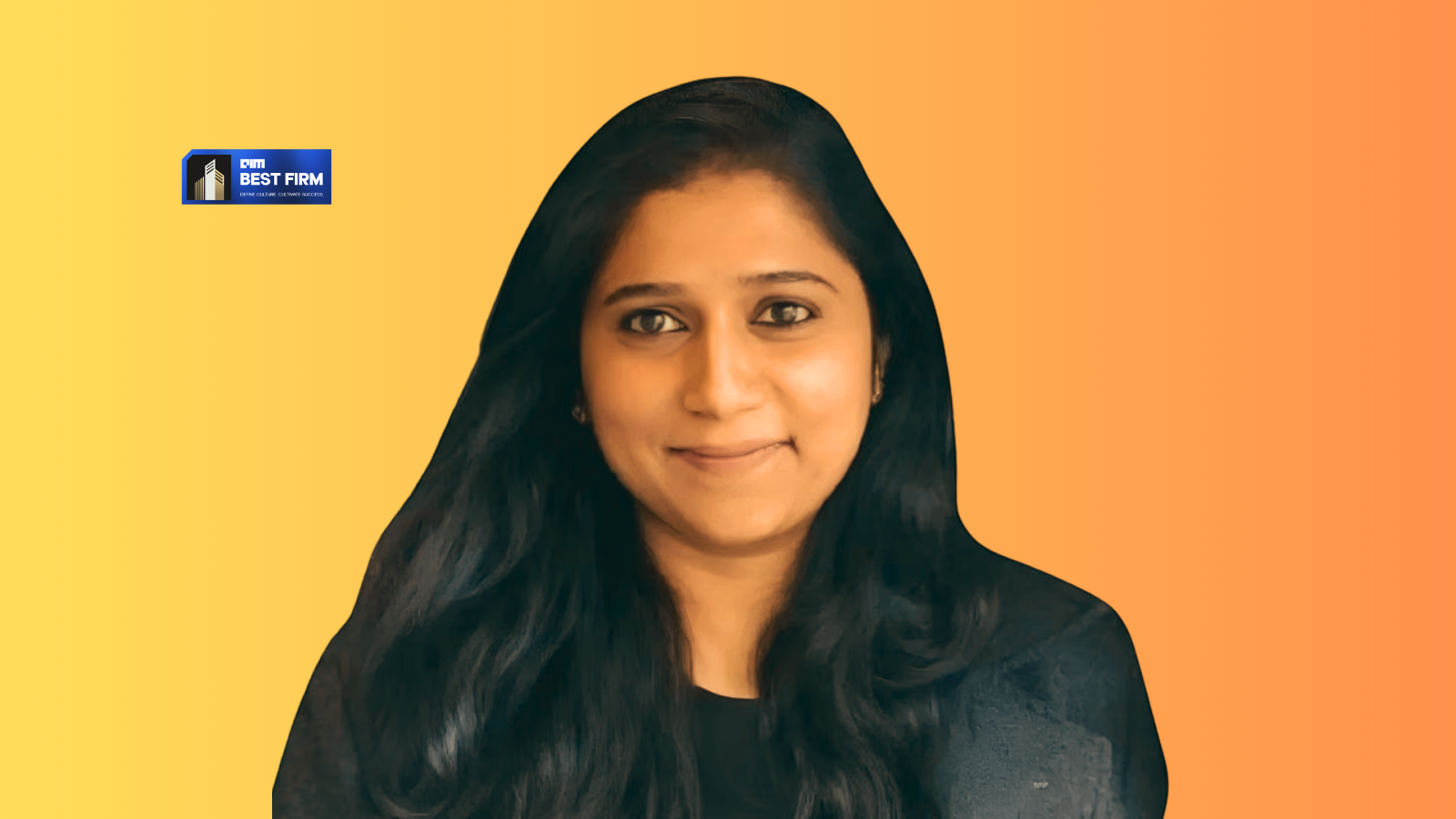
Cigna Healthcare Appoints Anisha Vaz as Head of HR for India Operations
The appointment also highlights India’s growing importance within the global operating models of multinational healthcare companies.

Bolt CEO Defends HR Cuts, Pushes Aggressive AI Turnaround Strategy
Bolt chief Ryan Breslow claimed that internal complications disappeared after the HR department was dissolved.
Cloudflare to Lay Off Over 1,100 Employees as AI Reshapes Internal Operations
Cloudflare has seen internal usage of AI tools surge by more than 600% over the past three months.
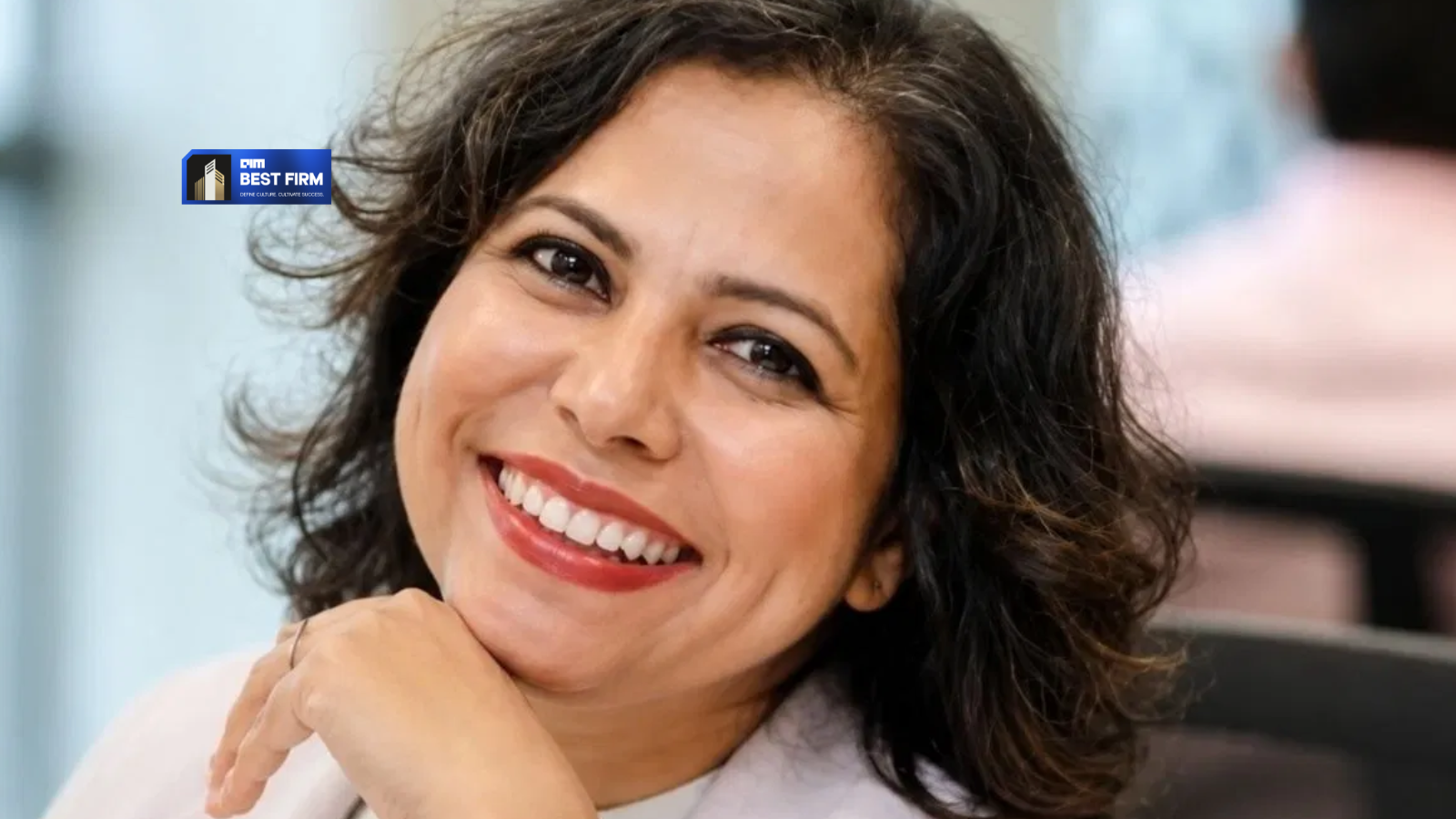
Jaya Chanda Joins Bureau Veritas as APAC Talent Management Director
Chanda will lead talent management initiatives across the Asia-Pacific, overseeing leadership growth, employee development, and organisational capability strategies.
GitLab Announces AI-Led Restructuring, Plans Workforce Cuts & Flatter Organisation
The move is part of a broader effort to redesign the company around AI-first workflows and leaner operational models.
Innovaccer Cuts 340 Jobs Across India, US Amid Shift to AI-Native Operations
The company’s next phase as an ‘AI-native’ organisation will focus on automation-led efficiency and AI-integrated product development.
The Future of Work is Already Here. Most Organisations Haven’t Arrived Yet
Most organisations are running 20th-century leadership models on 21st-century infrastructure.
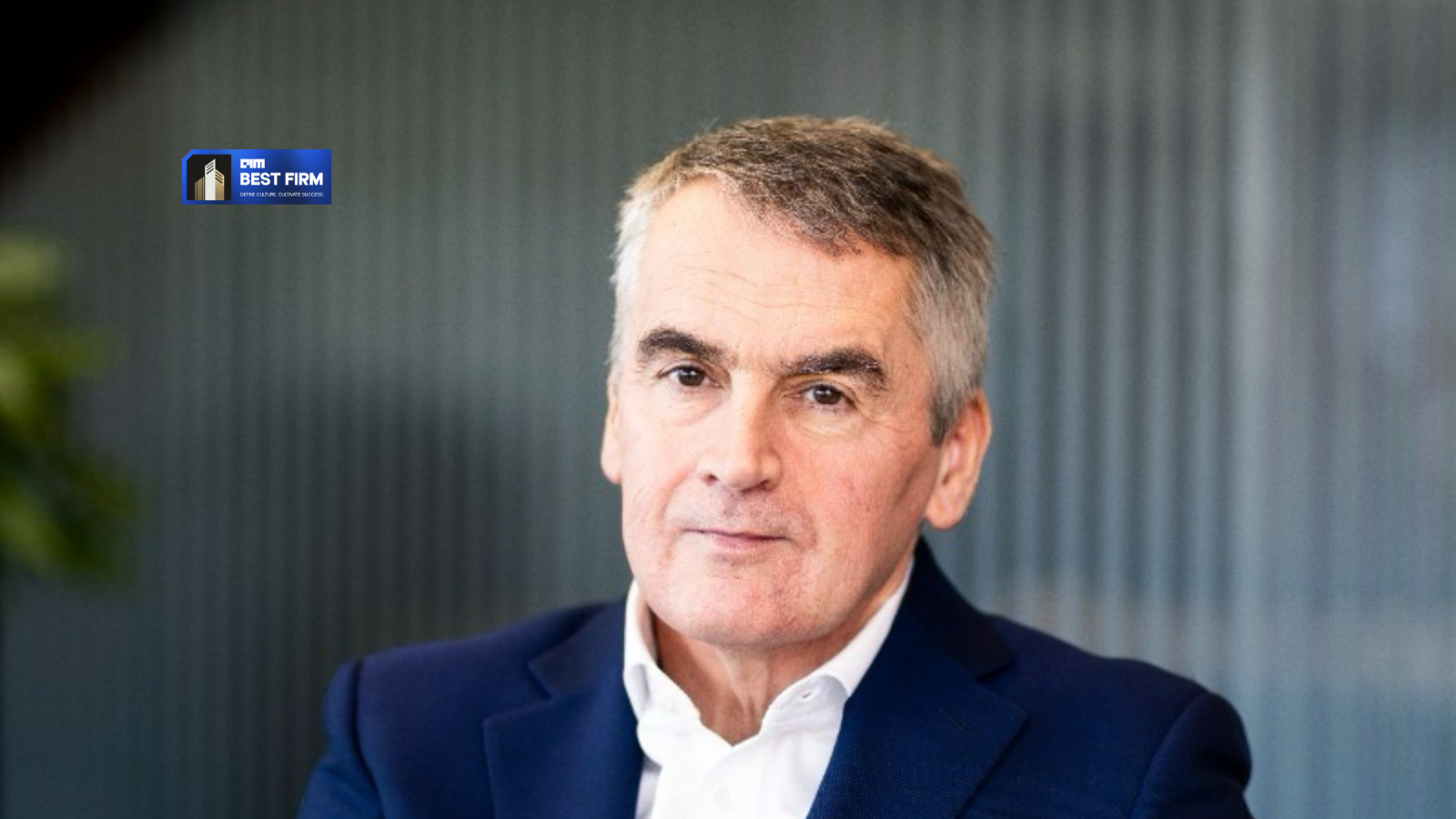
EvoluteIQ Strengthens Global Leadership With Key C-Suite Appointments Post $53 Million Investment
Paul Maguire, who has been a Board Advisor for EvoluteIQ for over three years, will now take on a full-time role as Chief Growth Officer.
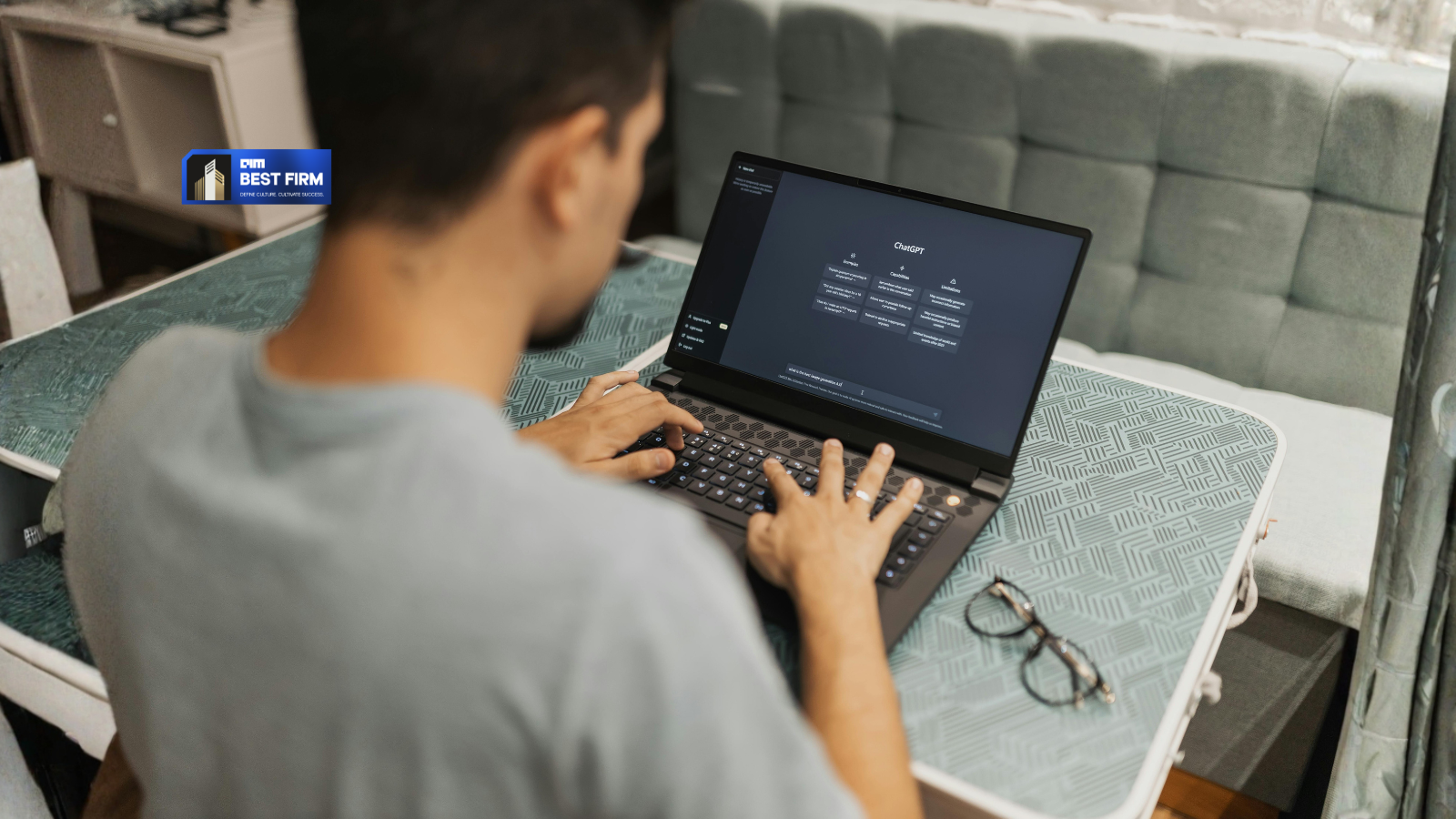
AI-Augmented Training Becomes Critical HR Tech Lever to Fix Retention in Logistics, Report Suggests
The report highlights a widening disconnect between the pace of automation and workforce readiness.
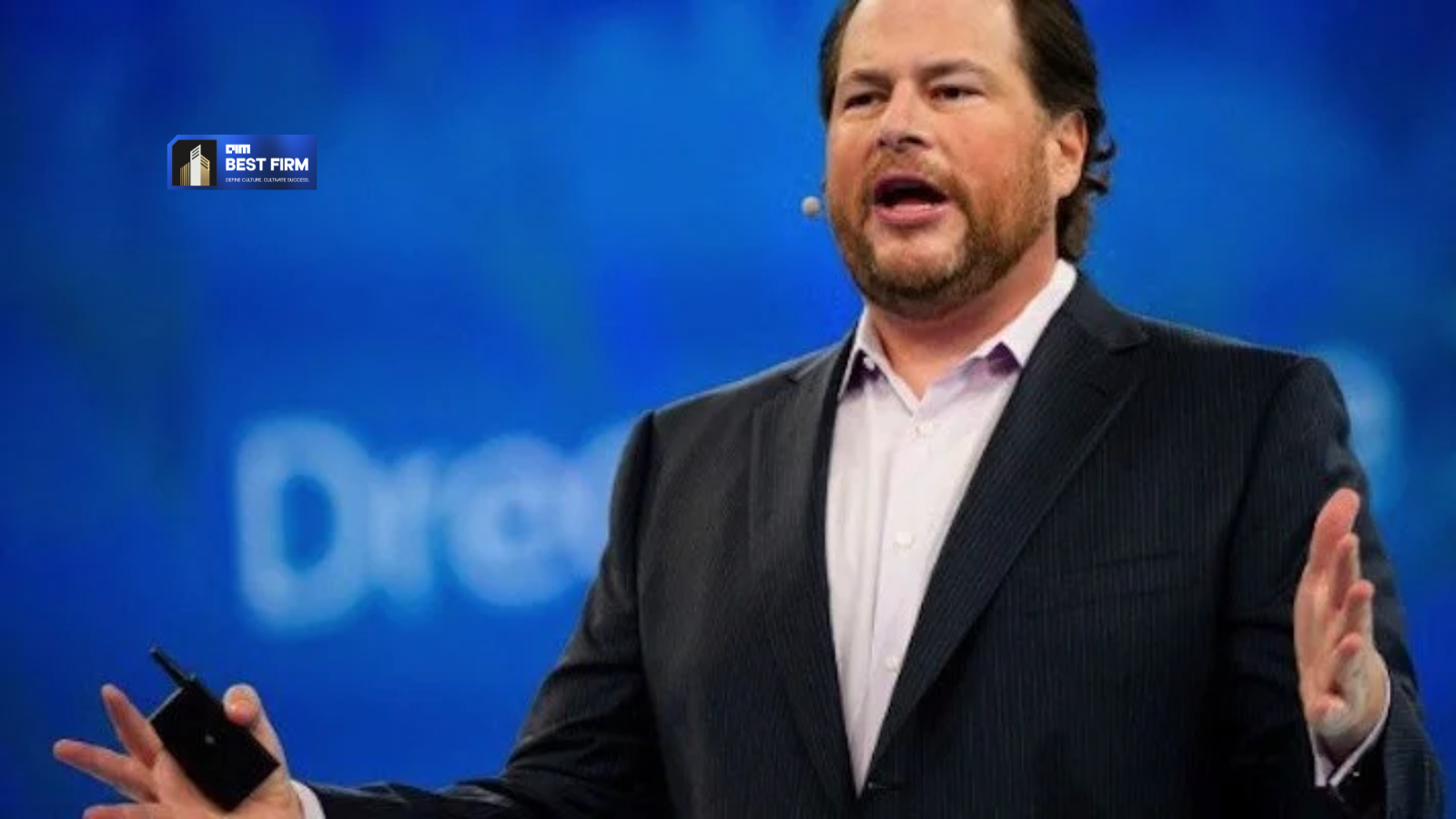
Salesforce to Hire 1,000 Graduates Amid Rising Tech Layoffs as AI Reshapes Workforce
The hiring initiative stands in contrast to widespread job cuts across major tech companies.
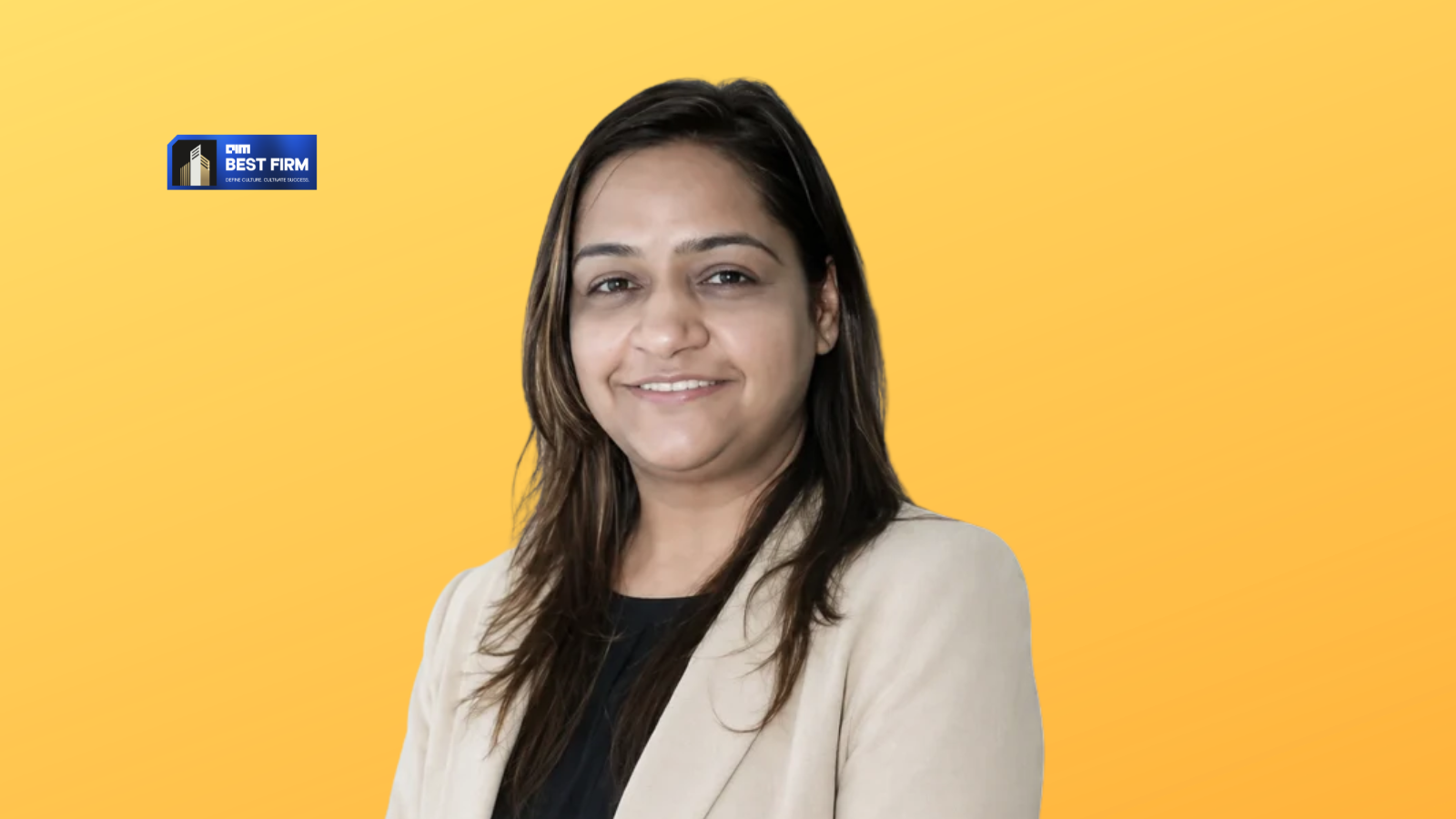
Vedanta Appoints Pallavi Bhatia as CHRO for Alumina Business
Her appointment comes as Vedanta continues to strengthen its leadership across key business verticals.
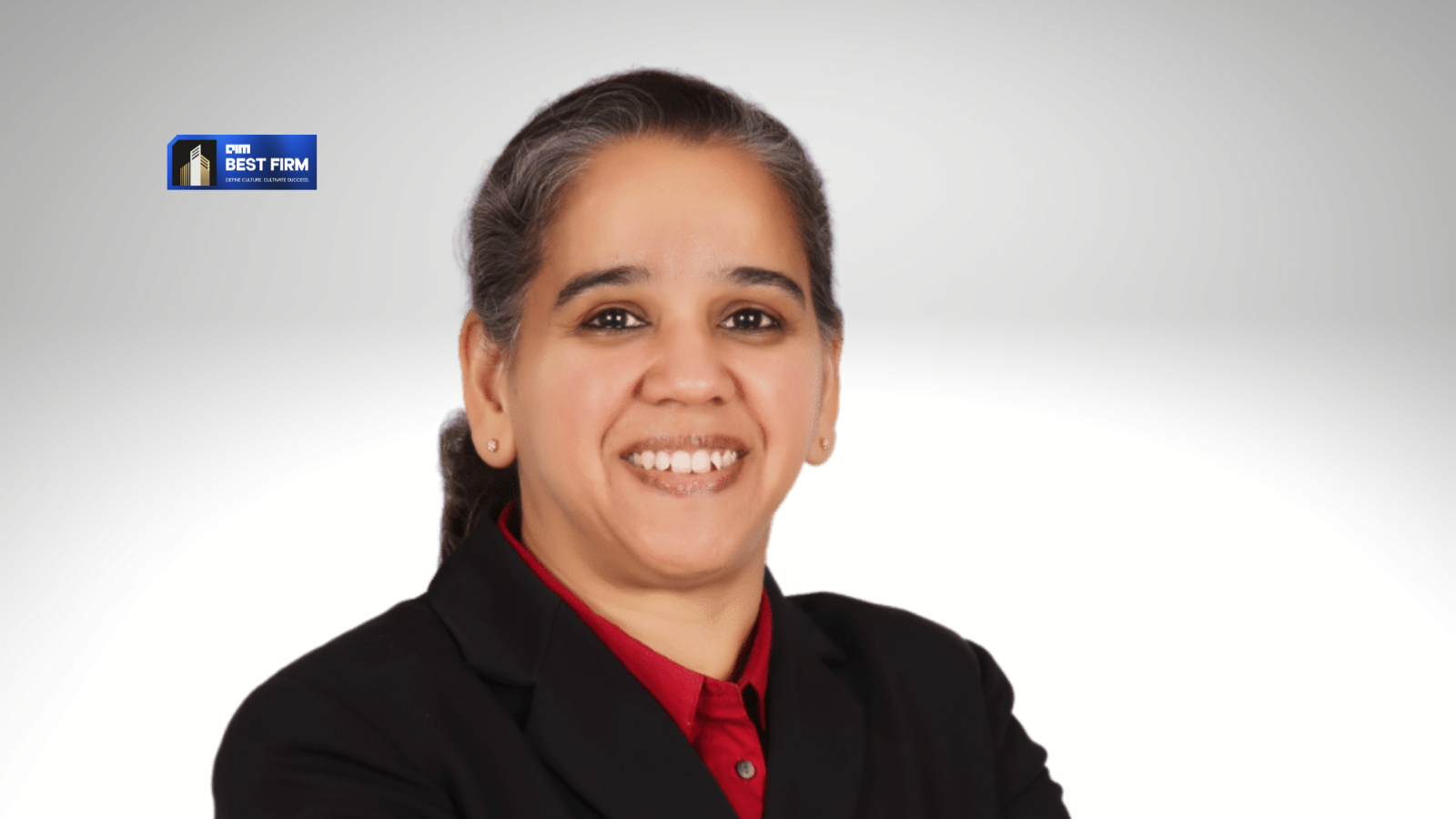
Perfios Appoints Veena Rao as COO to Drive Global Operations and Scale
The appointment comes at a time when Perfios is accelerating its growth across markets and investing in strengthening its leadership bench.
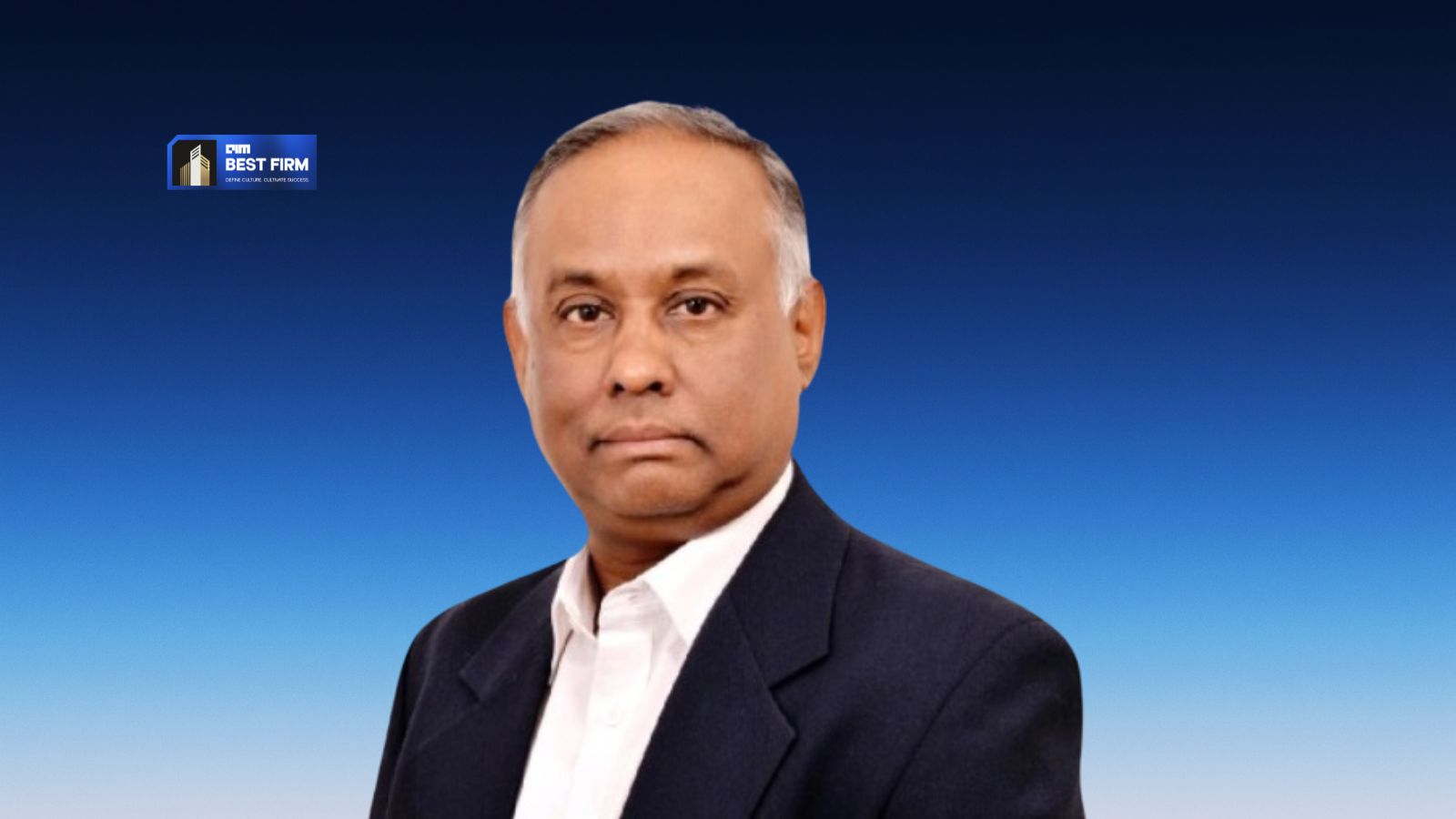
Sonata Software Appoints Rajsekhar Datta Roy as CEO; Samir Dhir to Step Down in May
Roy has played a central role at Sonata Software, scaling the company’s Microsoft and Dynamics practices into major industry-focused offerings.
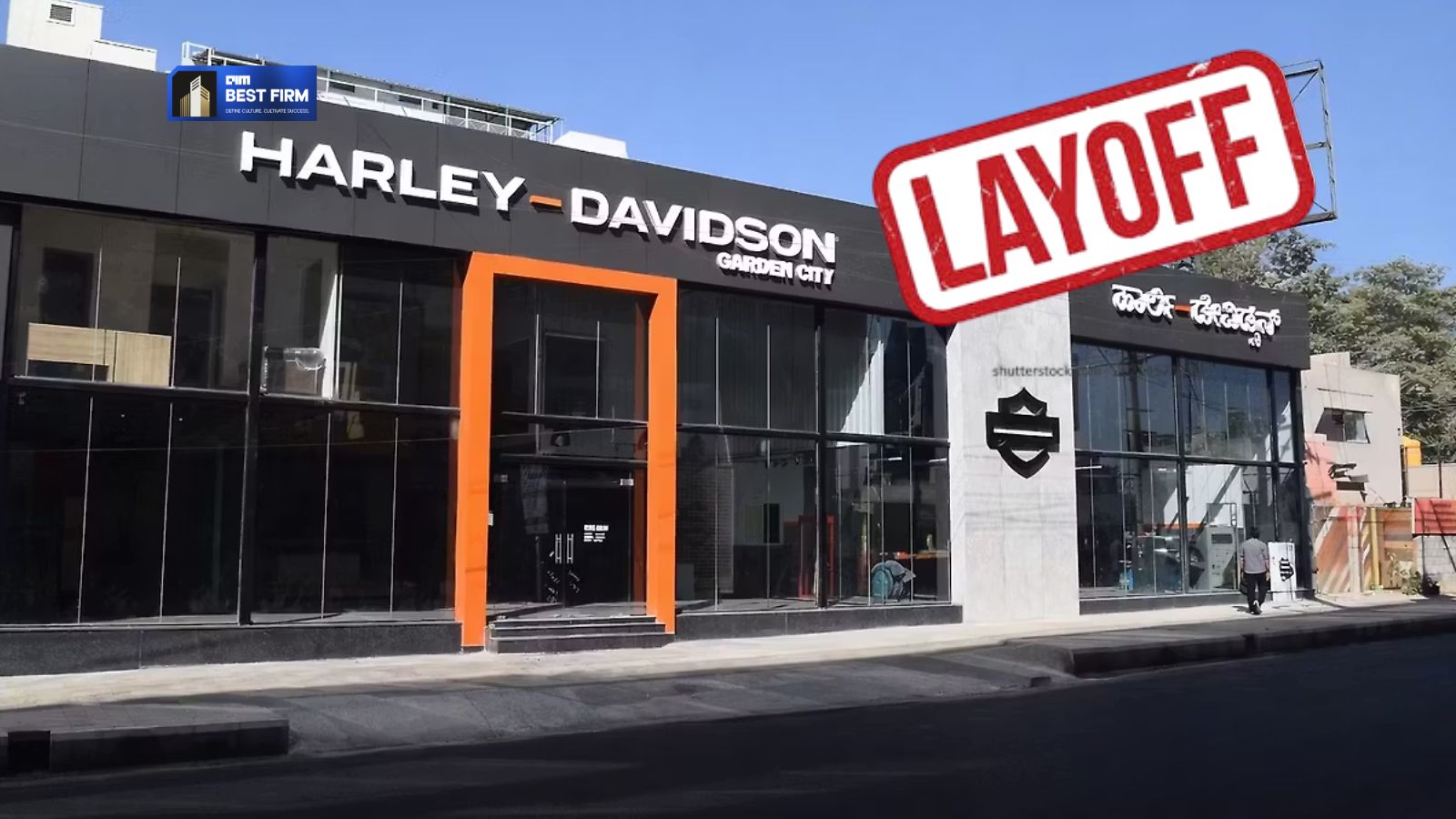
Harley-Davidson Cuts Jobs as Losses Mount
Workforce reduction, which began in early April, is expected to deliver annual savings of approximately $150 million.
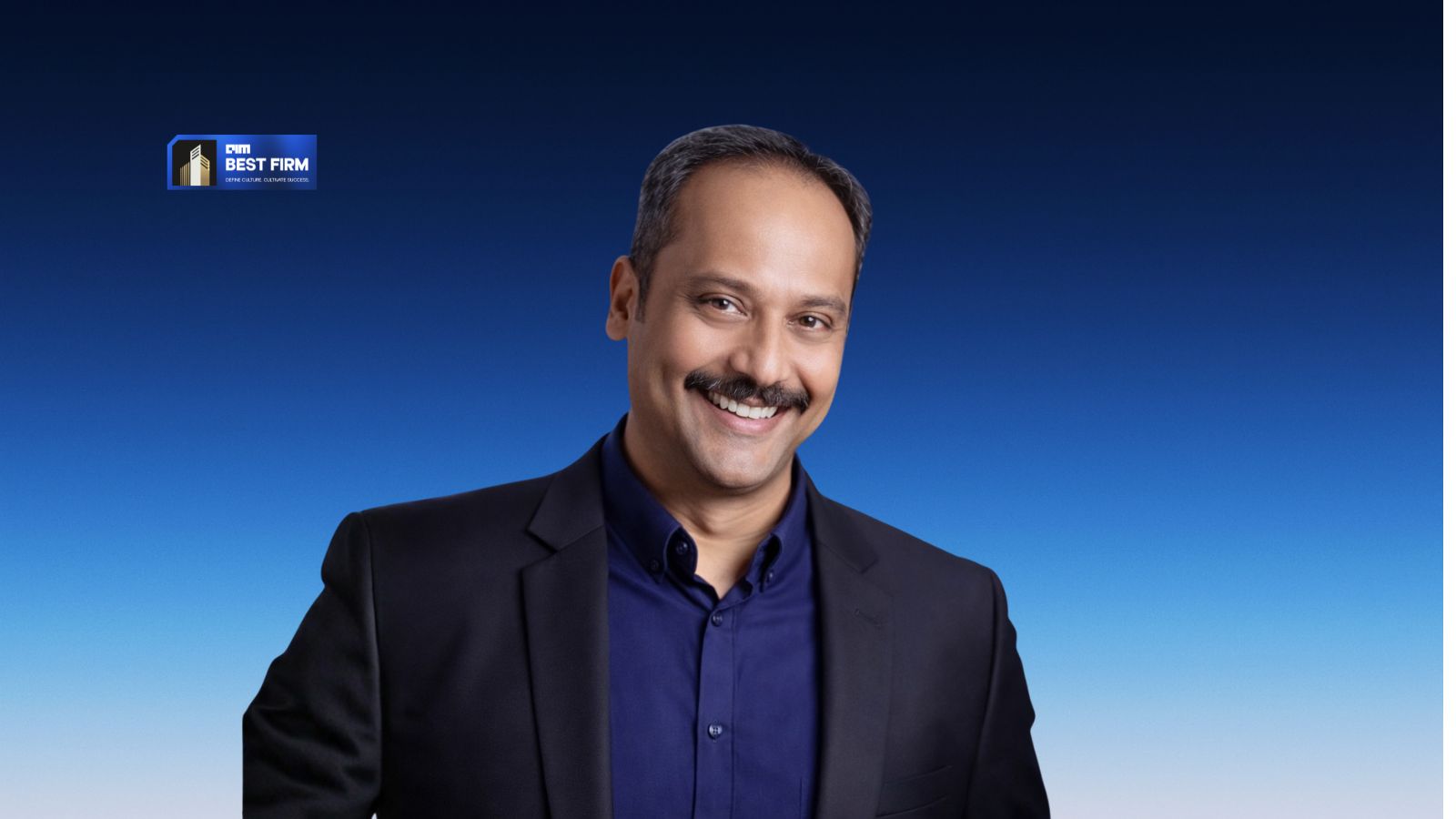
Britannia Industries Appoints PM Srinivas as VP HR Amid Leadership Transition
The transition comes at a time when Britannia is aligning its leadership structure with long-term growth and transformation priorities.

Newgen Software Appoints Kashish Daya Kapoor as Global CHRO to Lead Talent Strategy
The company is strengthening its leadership bench to support its global growth ambitions and evolving talent priorities
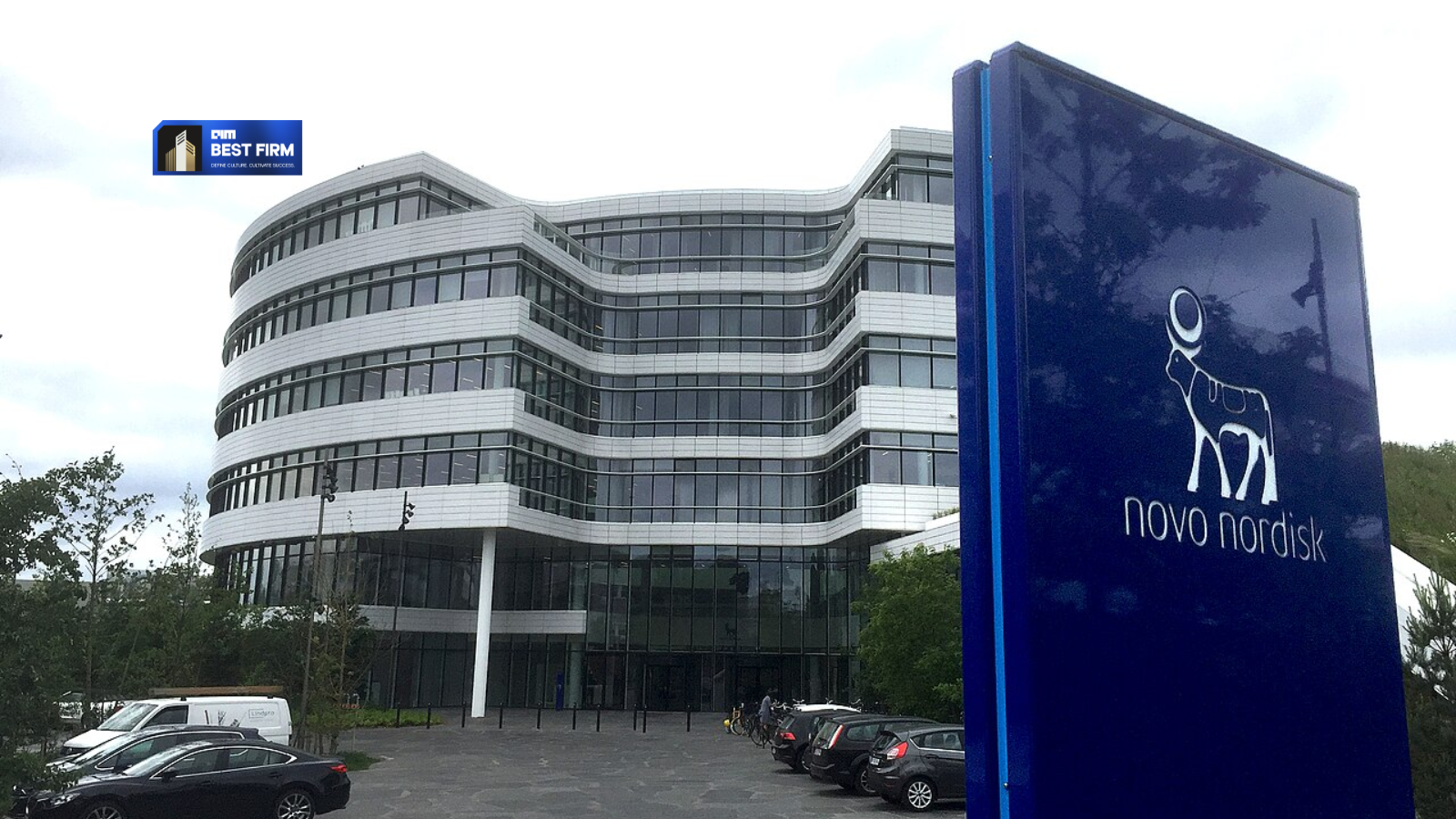
Novo Nordisk Moves Beyond Layoffs, Adds 2,000 Roles in Strategic Reset
The hiring push follows a major workforce reduction in 2025, when the company cut nearly 9,000 roles.

PB Fintech Appoints Amrita Pandey as Group HR Head to Drive Next Phase of Growth
The move comes as the fintech firm looks to build stronger internal leadership pipelines.
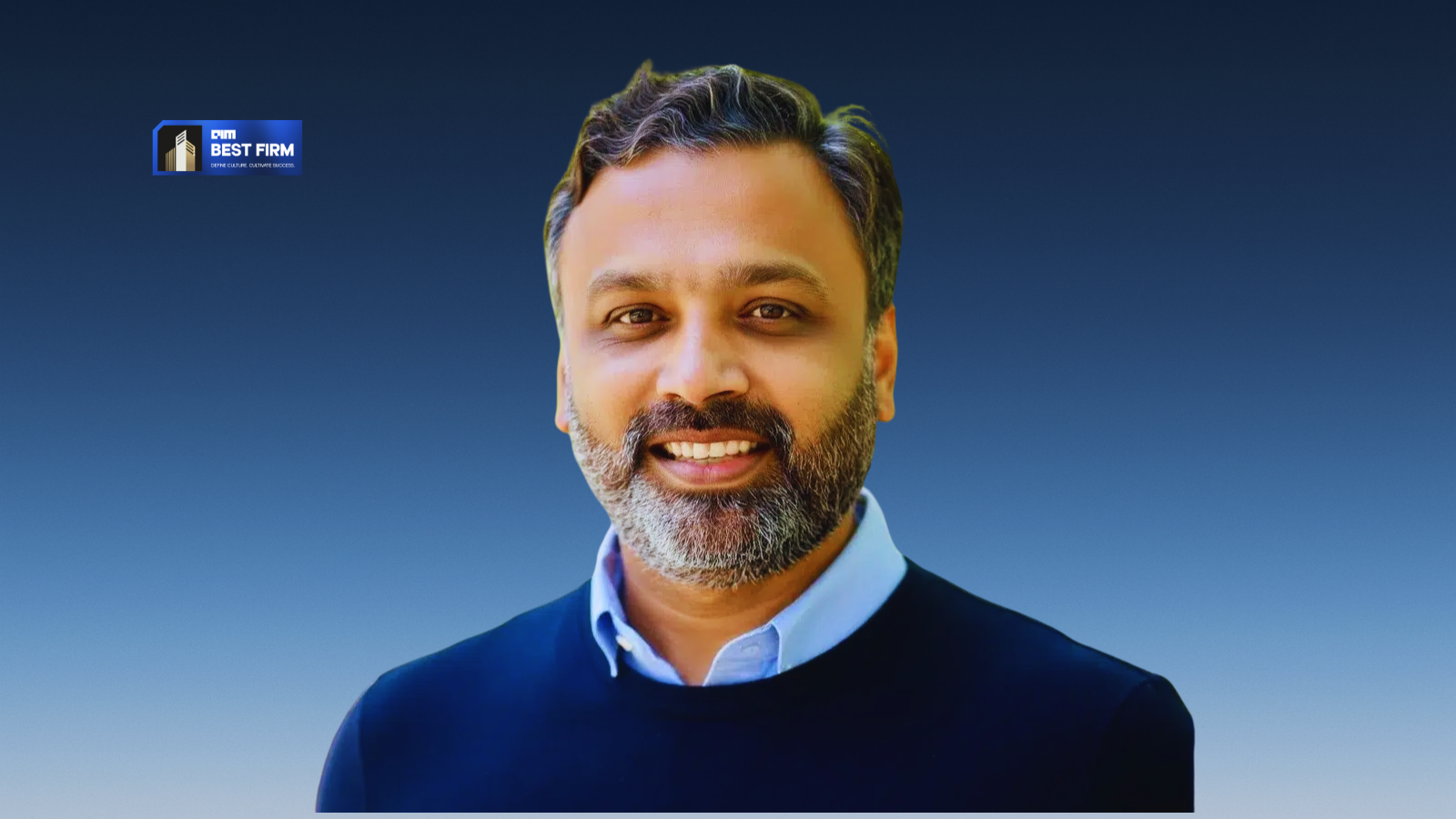
Practo Appoints Srijesh Kumar as Global Chief Product & Technology Officer
Srijesh will lead end-to-end product and technology functions, with a focus on strengthening the platform, improving patient and provider experiences.
Human-Centric AI Strategies Deliver Stronger Returns Than Tech-First Approaches, Finds Deloitte Report
The 2026 Global Human Capital Trends report highlights that technology alone is no longer a differentiator.

Vodafone Idea Appoints Subitha Pallithara as VP of Human Resources
Her appointment comes as Vodafone Idea continues to strengthen its leadership team amid ongoing business and operational shifts.
Tech Mahindra Partners With Payments Co Papaya Global to Simplify Enterprise Workforce Ops
The goal is to help businesses simplify how they pay employees and contractors across countries, Tech Mahindra and Papaya Global said.

Oracle Unveils AI-Powered HR Applications to Automate Decision-Making
Oracle is positioning AI to move HR teams away from repetitive administrative work toward more strategic, proactive roles.
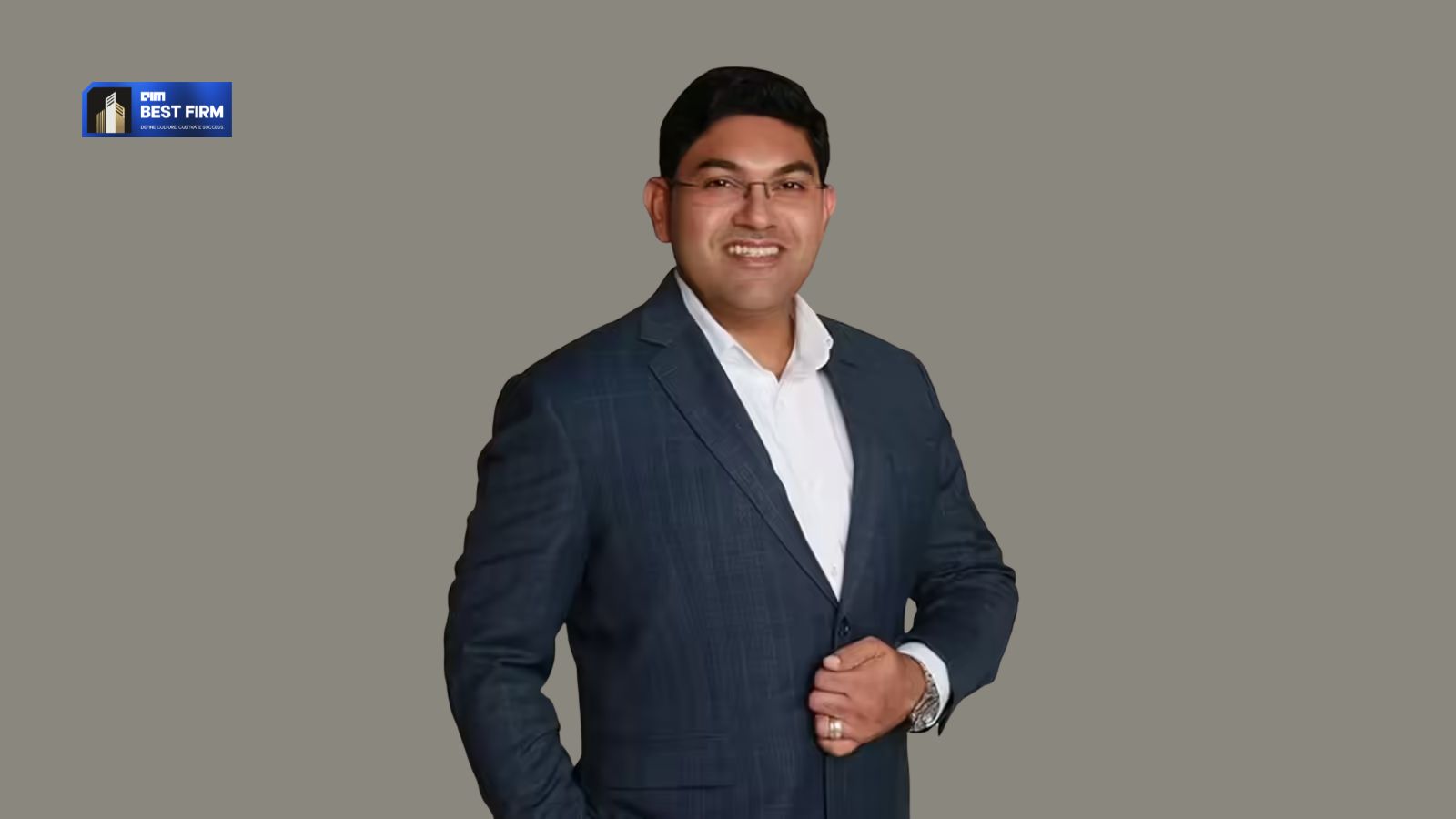
Robin Thadathil Joins P&G India as Chief Human Resources Officer Effective April 2026
Procter & Gamble India has appointed Robin Thadathil as Chief Human Resources Officer effective April 1, 2026, marking a planned leadership transition in its HR function. With over 16 years at the company and experience across global markets, he will oversee workforce strategy, talent development, and organisational operations in one of India’s largest FMCG businesses.

Saks to Eliminate Over 1,200 Jobs as Store Closures Follow Bankruptcy Filing
Saks Global will cut over 1,200 jobs and close dozens of stores following its Chapter 11 filing, as it restructures operations, reduces debt, and shifts toward a smaller, digitally focused luxury retail model.

Mansi Nigam Joins Allianz Technology as Chief People Officer for India
Allianz Technology has appointed Mansi Nigam as Chief People and Culture Officer for its India operations. With over two decades of HR experience in technology and professional services, she will lead workforce planning, talent management, employee engagement, and organisational development initiatives. Nigam’s expertise in building employee-centric workplaces and scaling HR operations positions her to drive people strategies that align with business growth and operational efficiency, strengthening Allianz Technology’s HR leadership in India’s competitive technology services sector.

HR Vision Talk: Savita Nehra on Discipline, Scale, and Building People Systems That Hold
Savita Nehra, CHRO at Quick Heal Technologies, emphasizes that growth challenges organisations not by scale itself, but by testing institutional discipline. She argues that culture holds only when behaviour remains consistent, governance extends beyond top leadership, and middle management is equipped to translate strategy into action. Technology can accelerate HR processes, but judgment, empathy, and business understanding remain irreplaceable. For Nehra, resilient organisations are built on repeatable systems, visible recognition, and human connection—not just metrics or automation.

5 Major HR and DEI Initiatives Indian Companies Are Rolling Out in 2026
Indian companies are expanding diversity and inclusion efforts through structured HR programmes that go beyond hiring targets. Organisations are introducing return-to-work pathways for women professionals, improving workplace accessibility for persons with disabilities, and setting measurable gender representation goals. Companies are also investing in leadership development for underrepresented employees and organisation-wide inclusion training. These initiatives show how diversity strategies are increasingly being integrated into workforce planning, leadership pipelines, and everyday workplace practices across sectors.
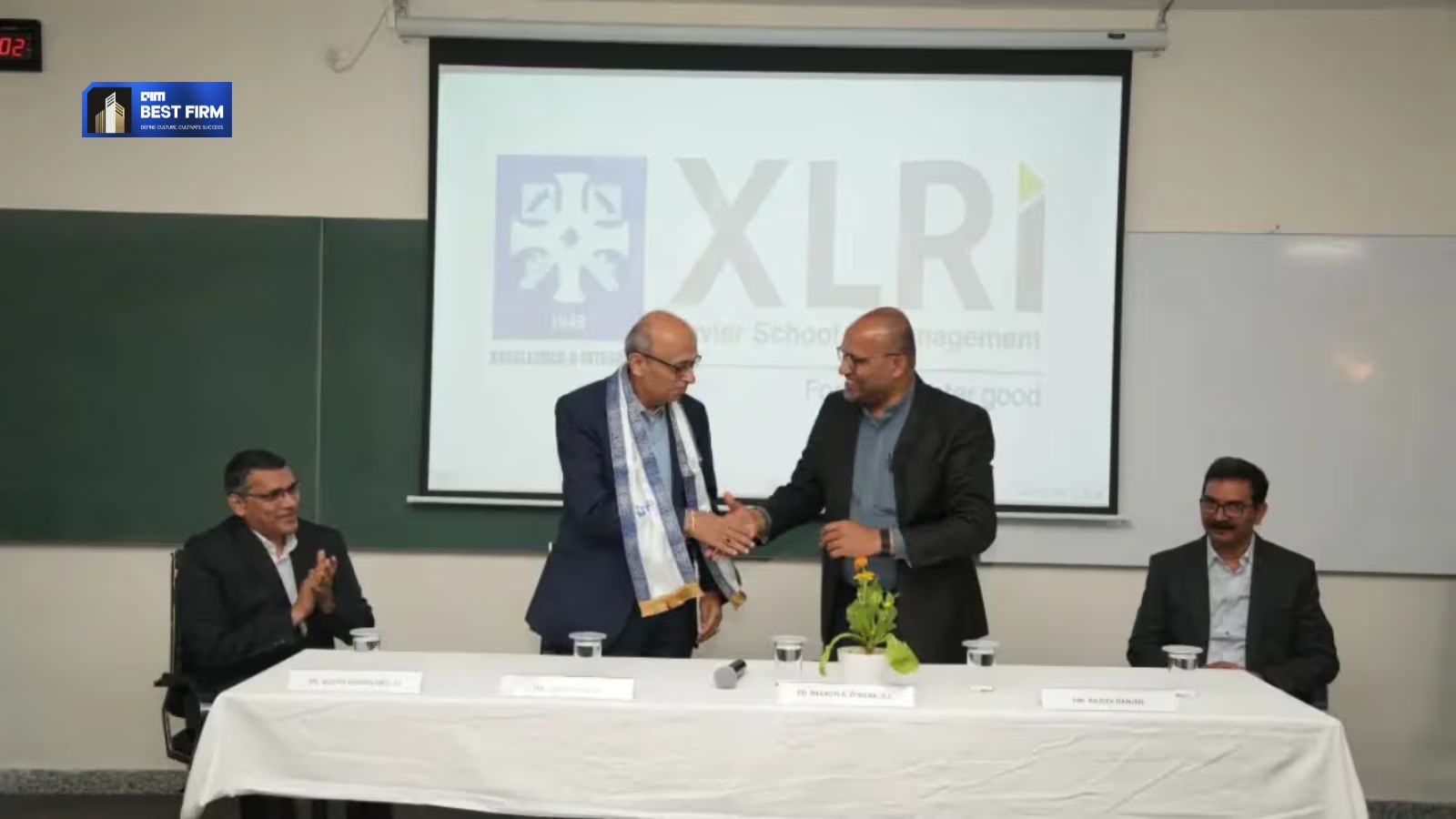
Jindal Stainless Launches HR Competency Development Programme With XLRI
Jindal Stainless has partnered with XLRI to launch a nine-month HR Competency Development Programme aimed at strengthening strategic HR capabilities. The initiative will train 25 HR professionals from corporate and manufacturing units through a mix of online and in-person sessions. Covering competencies such as business acumen, stakeholder management, and change management, the programme is designed to equip HR teams to act as strategic partners and support the company’s expanding operations globally.
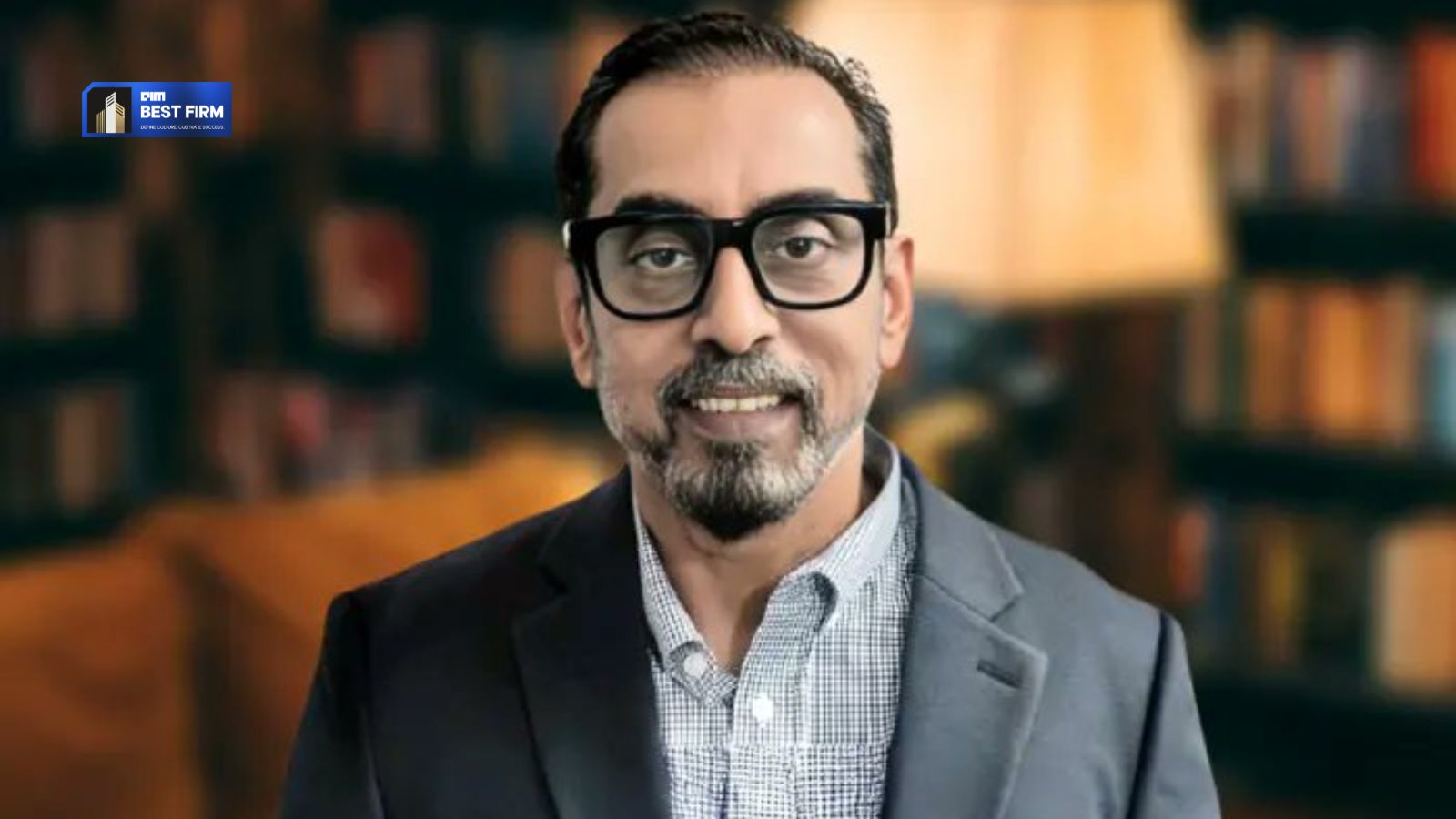
Deloitte Appoints Arun Kumar as Vice President - Talent Acquisition
Deloitte has appointed Arun Kumar as Vice President – Talent Acquisition, bringing over two decades of experience in recruitment operations and workforce management. Kumar joins from Magnit, where he served as Vice President – Client Services and Site Head in Bengaluru, overseeing recruitment delivery and workforce programmes. In his new role, he will lead Deloitte’s talent acquisition efforts, coordinating hiring strategies and workforce planning across consulting, technology, and advisory functions.
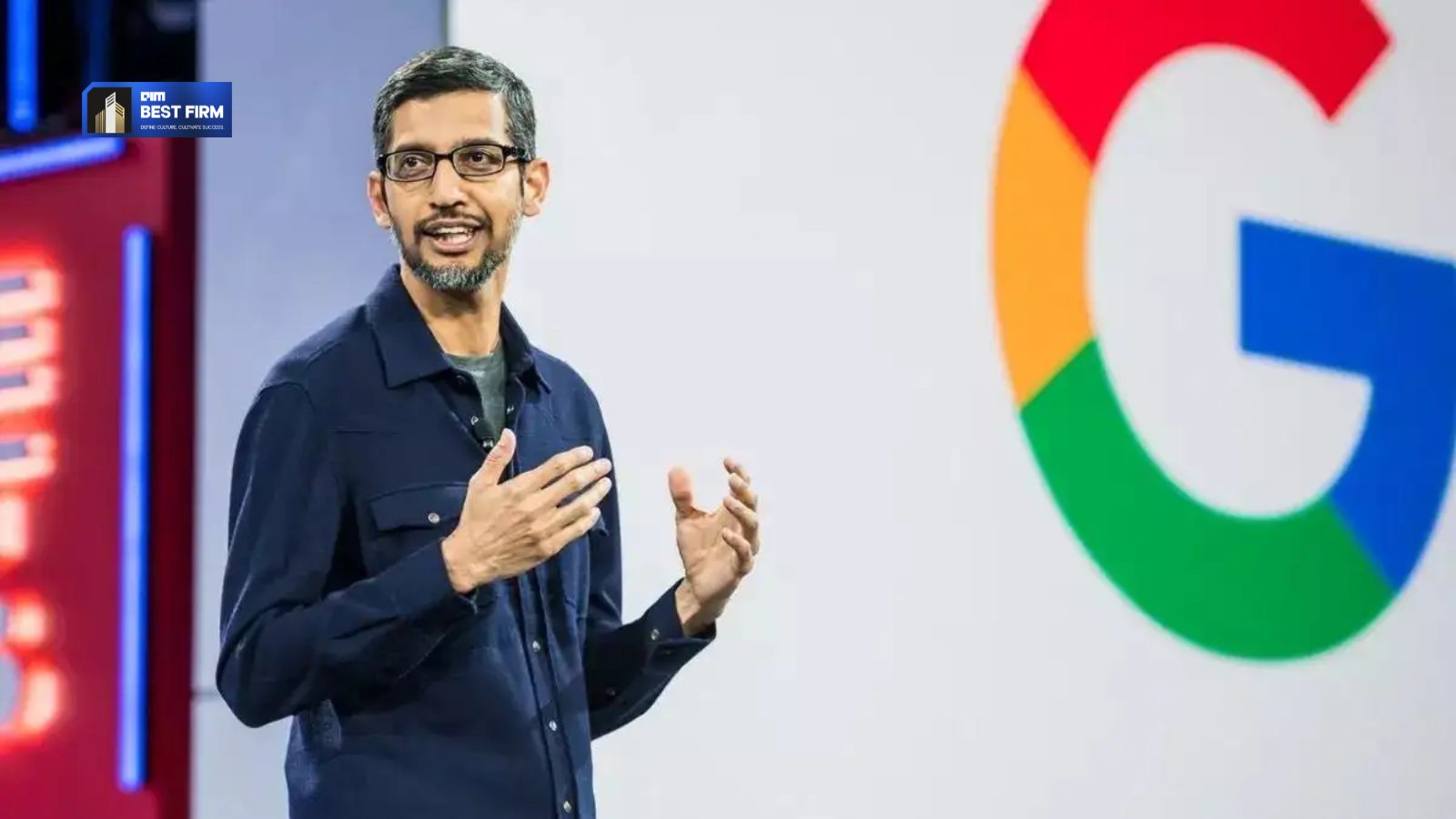
Sundar Pichai’s Pay Could Hit $692 Million
The largest portion of Sundar Pichai’s new compensation package consists of performance stock units tied to Alphabet’s total shareholder return relative to companies in the S&P 100 Index. These units have a target value of approximately $126 million and can reach up to $252 million if Alphabet significantly outperforms its peers, linking a substantial part of the CEO’s pay directly to shareholder returns.
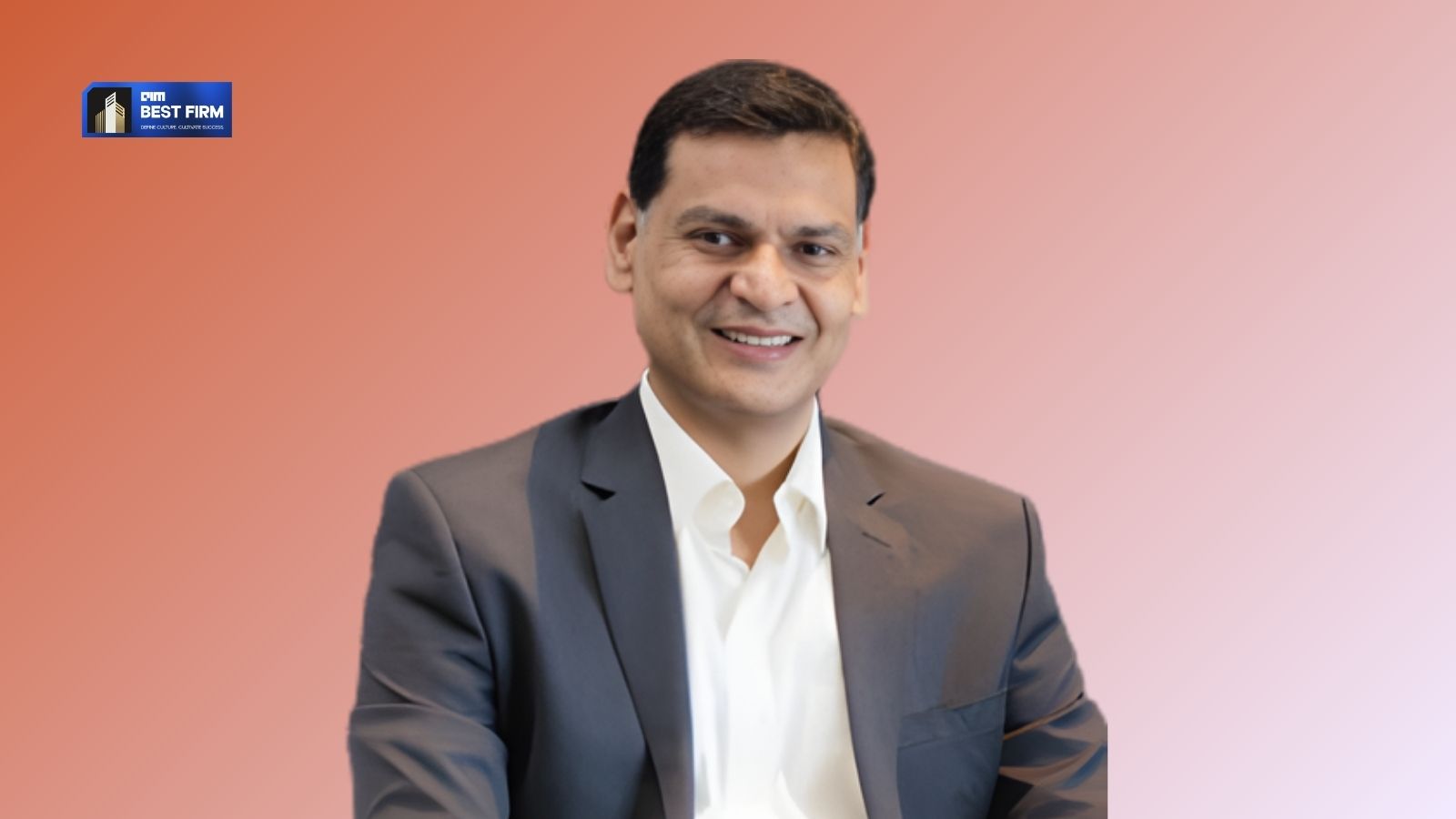
Altimetrik Appoints Dhirendra Nath as Chief Human Resources Officer
Altimetrik has appointed Dhirendra Nath as Chief Human Resources Officer to lead its global people strategy. Nath joins from SLK Group, where he served as President and Group Chief People Officer. In his new role, he will oversee talent development, organisational capability building, and workforce planning as Altimetrik expands its digital engineering and AI services worldwide.
Morgan Stanley Axes About 2,500 Jobs Worldwide, Affecting 3% of Employees
Morgan Stanley has reduced its global workforce by roughly 3%, affecting about 2,500 employees across multiple divisions. The cuts span institutional securities, wealth management, and investment management as part of an internal review of staffing priorities. Financial advisers in the wealth division were largely spared, reflecting the firm’s focus on maintaining client-facing capabilities. Workforce adjustments followed internal performance assessments and operational realignment, a common practice among large financial institutions seeking to balance resources with evolving business conditions.
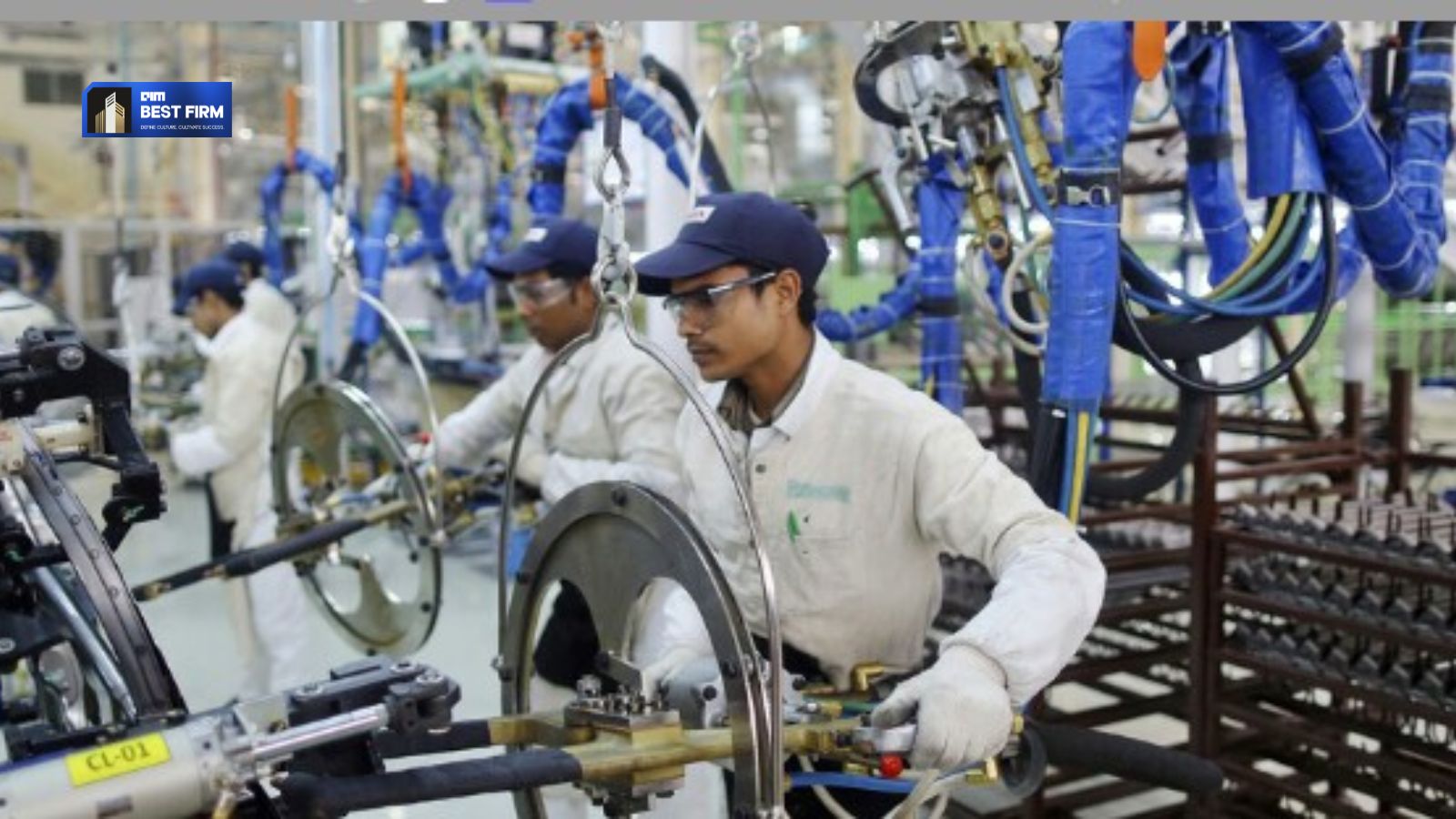
Govt Mandates 150-Hour Practical Training for ITI Trainees
The mandatory 150 hours of structured on-the-job training or group project for ITI trainees is a significant reform to enhance the quality and relevance of vocational education,” said officials of the Directorate General of Training. The guidelines require trainees to work under industry mentors with performance documented through logbooks and evaluations.

Nestlé Expands Performance Ratings and Links Bonuses to Growth Metrics
Nestlé expanded its performance rating system from three levels to six, allowing top performers to earn up to 150 percent of bonus targets while those in the lowest category receive between 0 percent and 50 percent of payouts as bonuses are now tied to a real internal growth gate requiring minimum sales growth thresholds and closer alignment with overall group performance; the company reported real internal growth of 0.8 percent in 2025 amid subdued demand and has linked the revised incentive structure to operational and financial objectives.
HSBC Boosts Employee Bonus Pool by 10%
HSBC increased bonus payouts by about 10% after annual earnings exceeded expectations, with stronger profitability across business divisions and improved returns enabling higher performance-linked compensation; the bank reported profit before tax of $30.3 billion for 2023 versus $17.5 billion a year earlier on revenue of $66.1 billion, supported by higher net interest income and gains in wealth and commercial banking, while return on tangible equity of 16.4% exceeded target levels and underpinned both capital returns and incentive adjustments for employees.
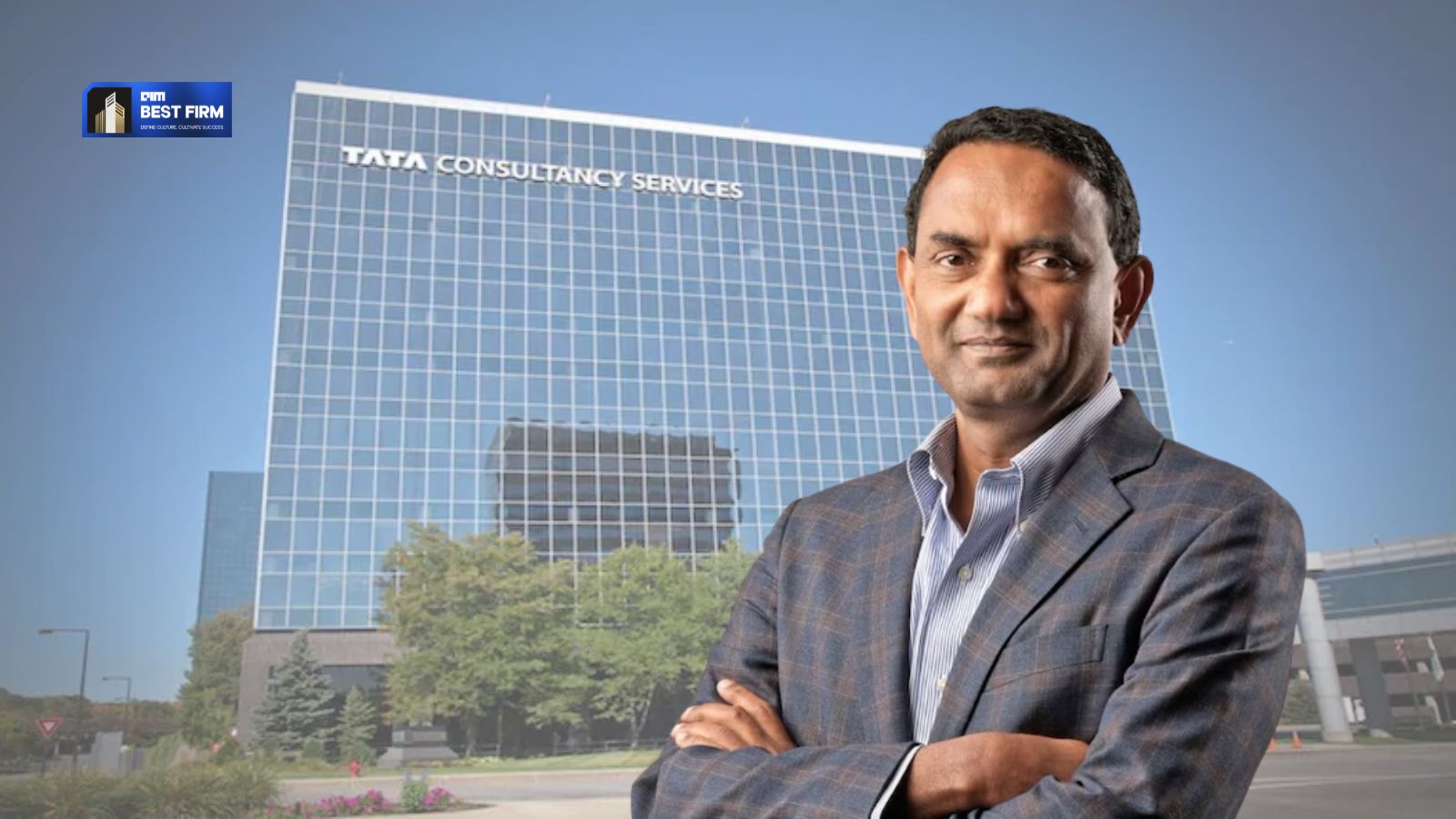
TCS Expands AI Expectations for Executives
Senior leaders at Tata Consultancy Services are being encouraged to use and experiment with AI tools so leadership understands technology in practice. Chief executive K. Krithivasan emphasised hands-on engagement, stating that executives must build familiarity with AI-driven workflows to guide strategic decisions and digital initiatives effectively.
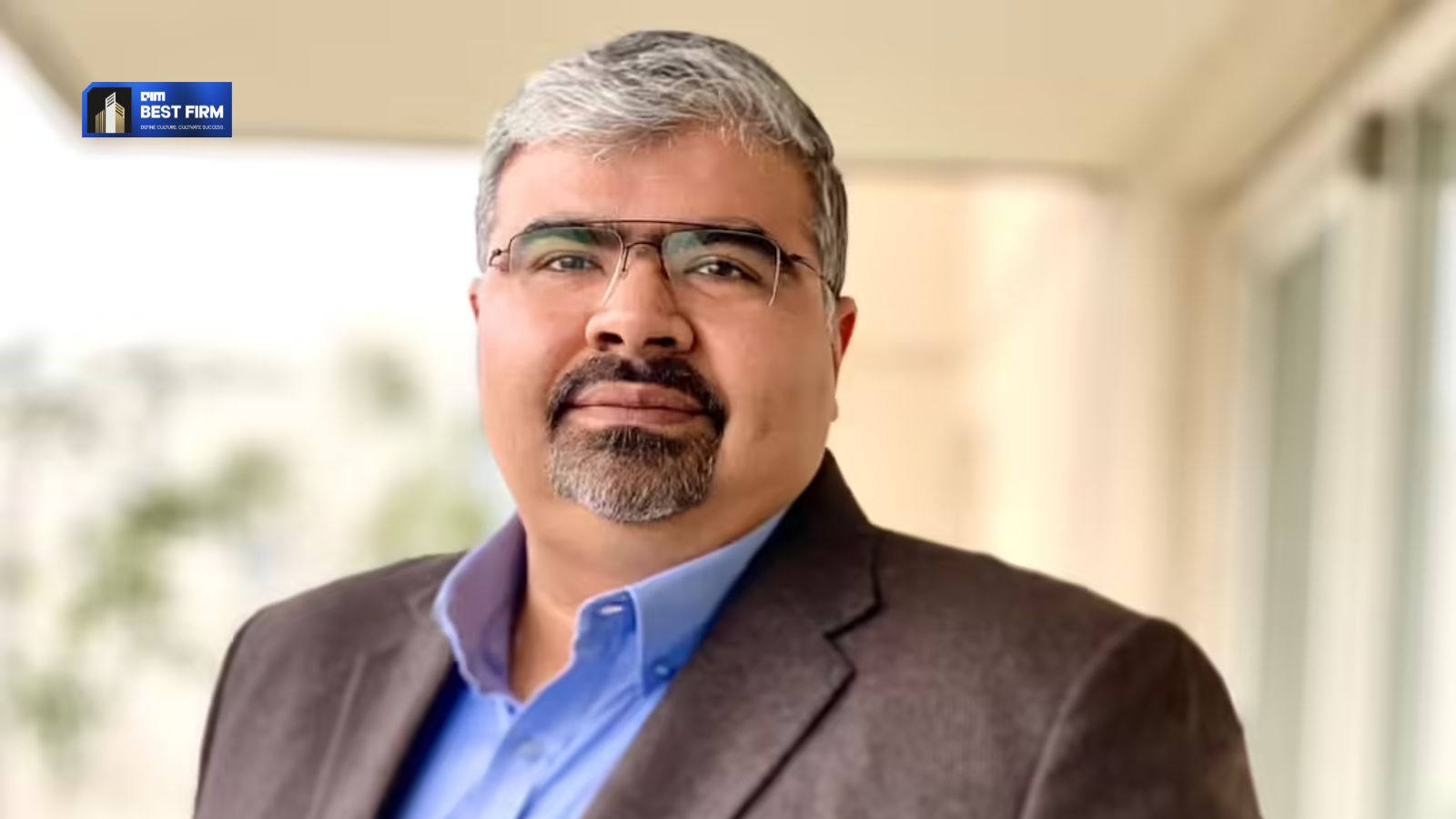
CHRO Aditya Kohli to Exit Orient Electric in March 2026
Aditya Kohli, Chief Human Resources Officer of Orient Electric, will step down from his role in March 2026. The company has confirmed that Kohli will remain in office until the end of the financial year to support a structured handover while continuing to oversee talent strategy, employee relations, and HR operations. Succession planning is expected to progress in the coming months as the organisation prepares for leadership continuity.
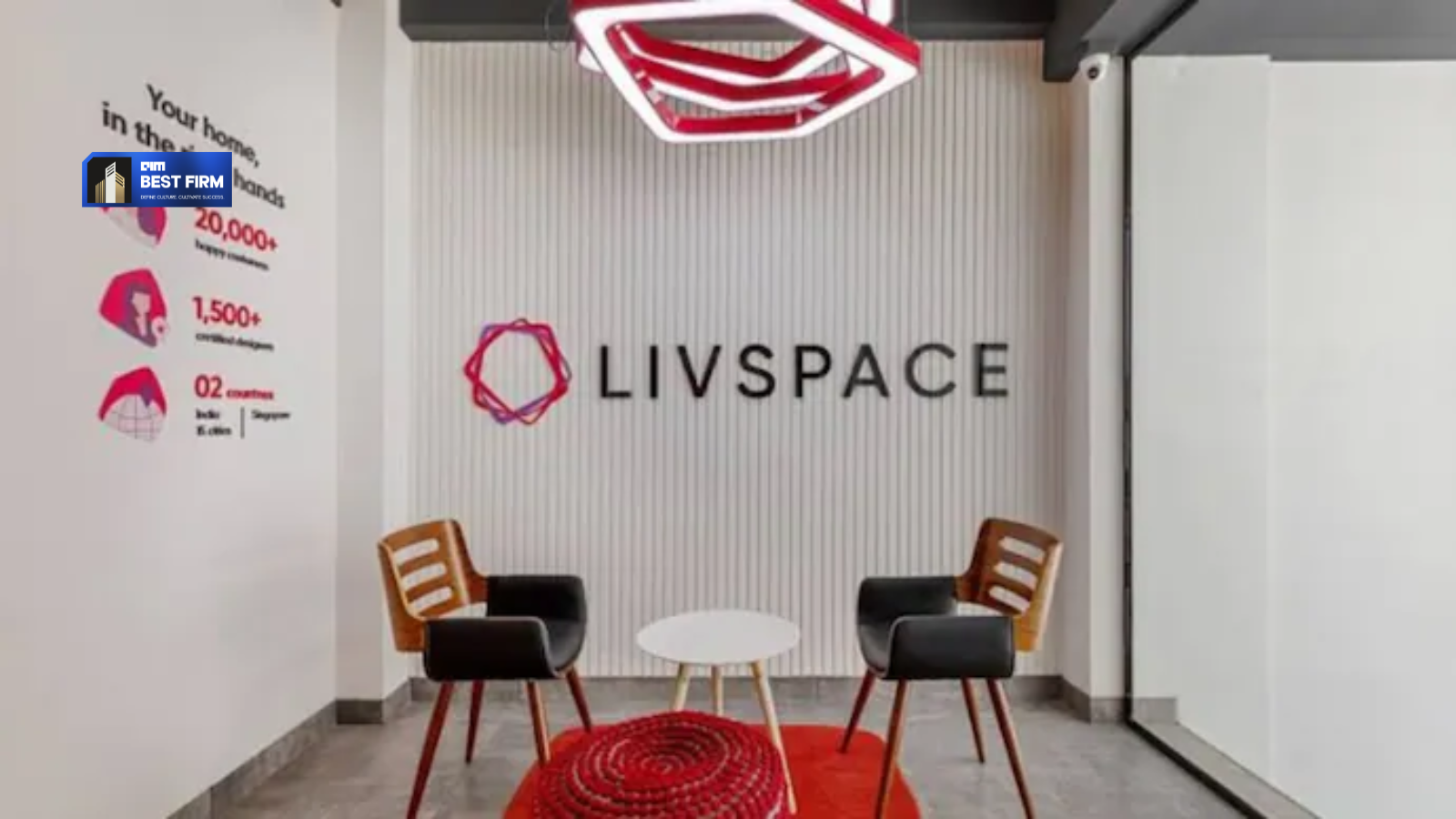
Livspace Lays Off Around 1,000 Employees as Co-founder Exits
Livspace has reduced its workforce by about 1,000 employees (roughly 12% of staff) as part of operational realignment linked to automation and efficiency initiatives. Co-founder Saurabh Jain has stepped down after more than a decade with the company, stating he is moving to his next chapter with pride in what was built. The company continues to operate its interior design and renovation platform while integrating technology to streamline workflows and project execution. Workforce adjustments and leadership transitions have occurred as organisations in technology-driven sectors align resources with evolving operational priorities.

Prashant Patankar Appointed Head of Human Resources at Jio BlackRock
Jio BlackRock has appointed Prashant Patankar as Head of Human Resources as the joint venture between Jio Financial Services and BlackRock expands its asset management operations in India following approval from the Securities and Exchange Board of India. The HR role focuses on building talent capabilities and workforce governance as the firm scales its investment business.
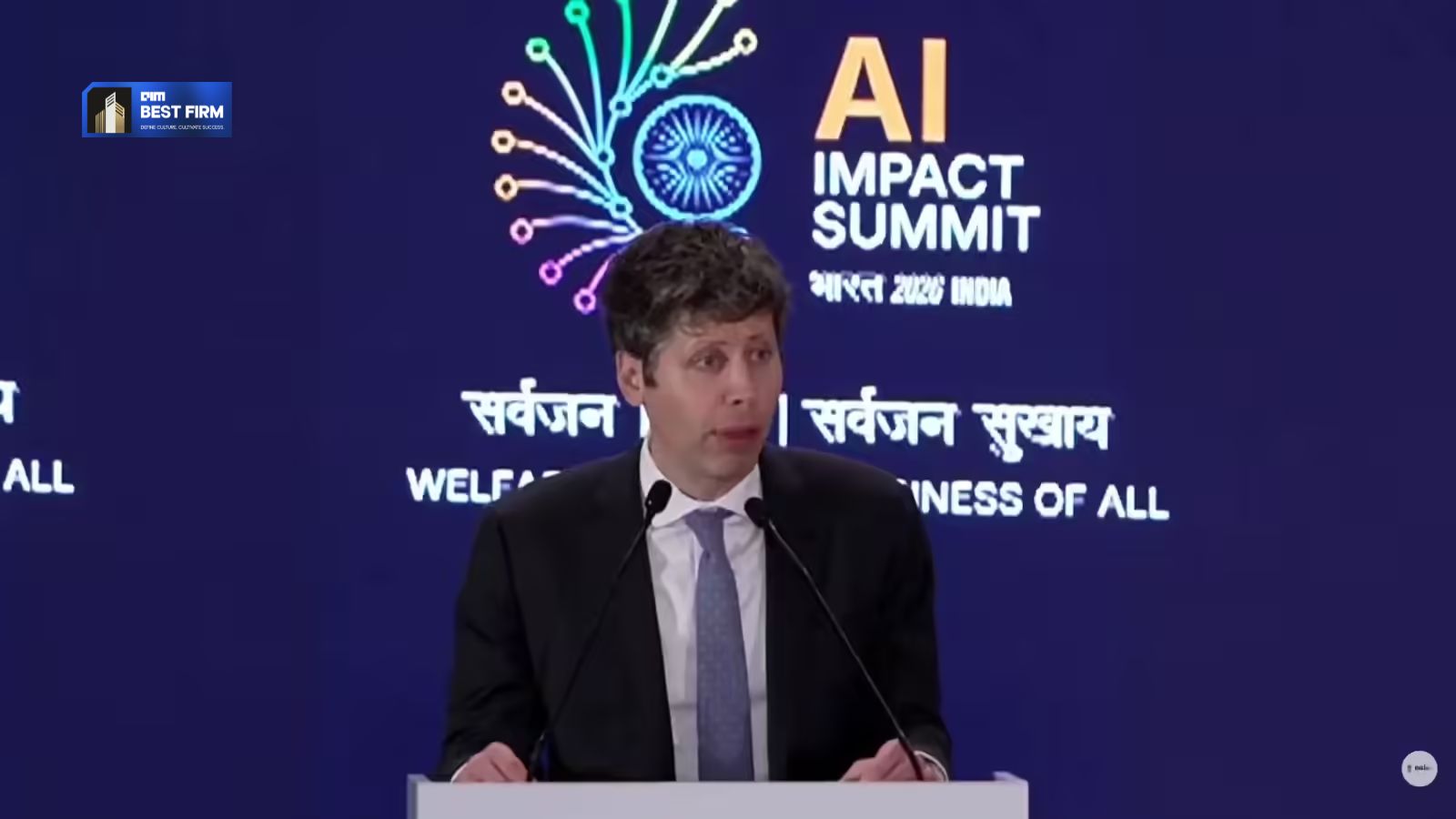
India Driving Tech Growth and Job Opportunities, Says OpenAI Chief
India’s rapid adoption of advanced technology is beginning to reshape its job market. At the India AI Impact Summit 2026 in New Delhi, OpenAI Chief Executive Sam Altman highlighted the country’s nearly 100 million weekly ChatGPT users, calling India one of the most engaged markets globally. Discussions moved beyond usage figures to focus on employment, skills and future roles. Altman acknowledged that technology will affect existing jobs but expressed confidence that new and better opportunities will emerge, reflecting patterns seen in past technological shifts.
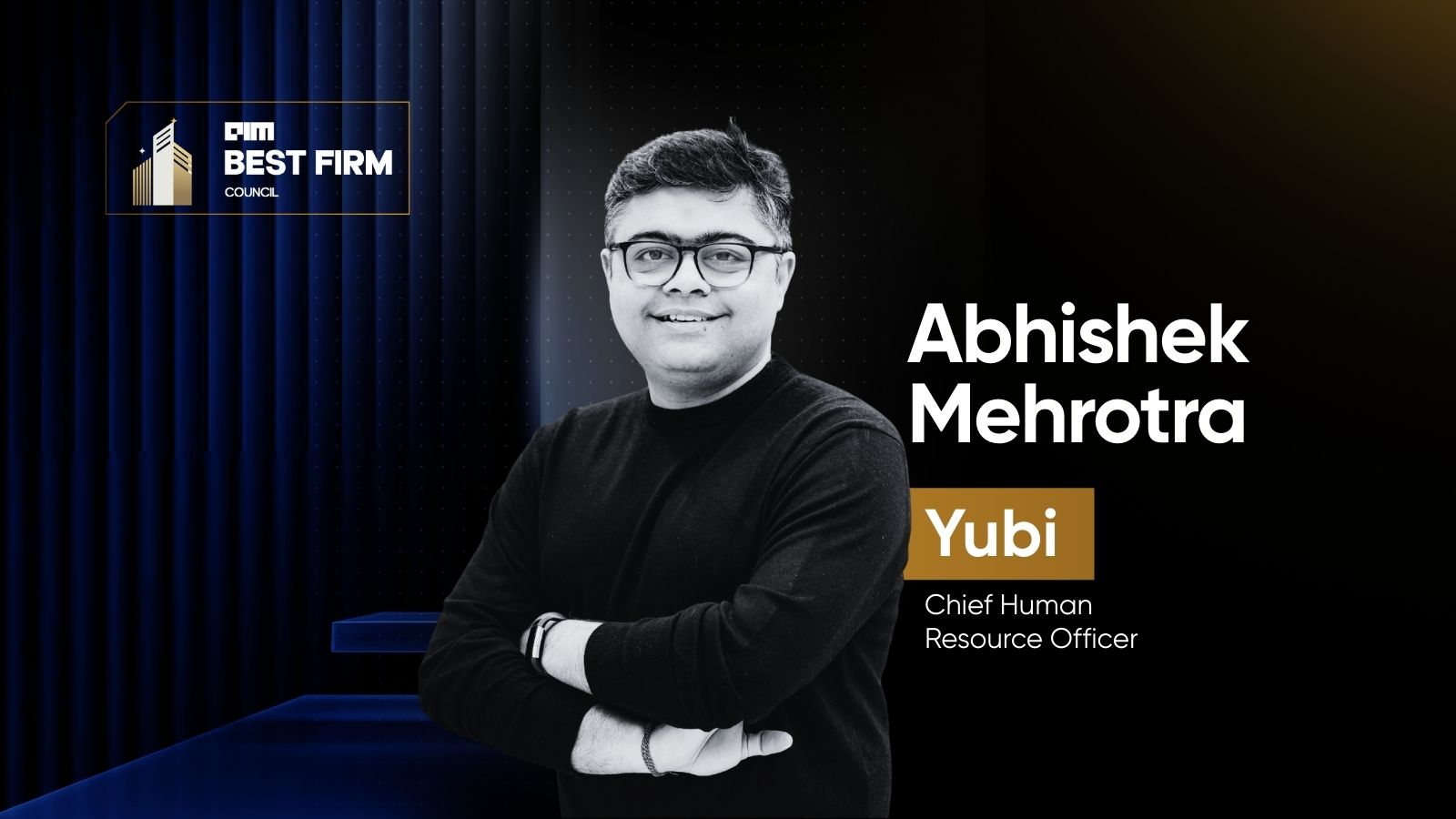
HR Vision Talk: Abhishek Mehrotra on Context, Scale, and Why Judgment Is HR’s Ultimate Algorithm
In high-growth companies, early people decisions rarely fail immediately—they decay. What once drove speed can later create risk, distort fairness, or weaken trust. Abhishek Mehrotra, CHRO at Yubi, emphasizes that sustainable scale requires consistent, context-aware judgment. HR decisions must remain defensible as complexity grows, with daily reliability and clear responsibility shaping employee experience. Growth should not dilute discernment—speed is easy to celebrate, but judgment is what endures.
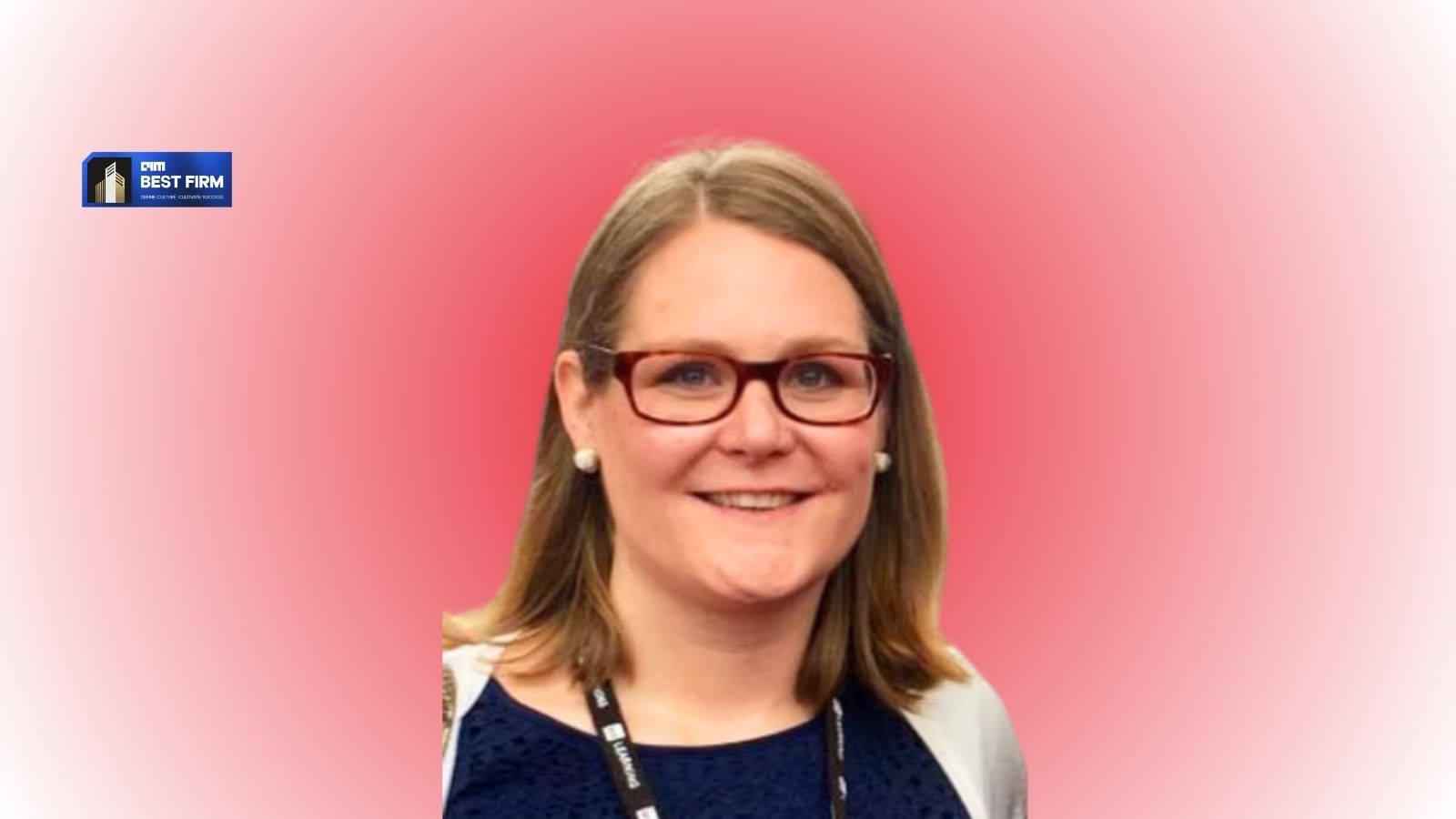
Charlotte Wolf Tarfa Appointed as VP People and Culture – India and Southwest Asia at Coca-Cola
The Coca-Cola Company has appointed Charlotte Wolf Tarfa as Vice President, People and Culture – India and Southwest Asia. A global talent leader with the company since 2021, she will now oversee the human resources function across India and neighbouring Southwest Asian markets, focusing on workforce strategy, leadership development and employee engagement across corporate, manufacturing and commercial teams.
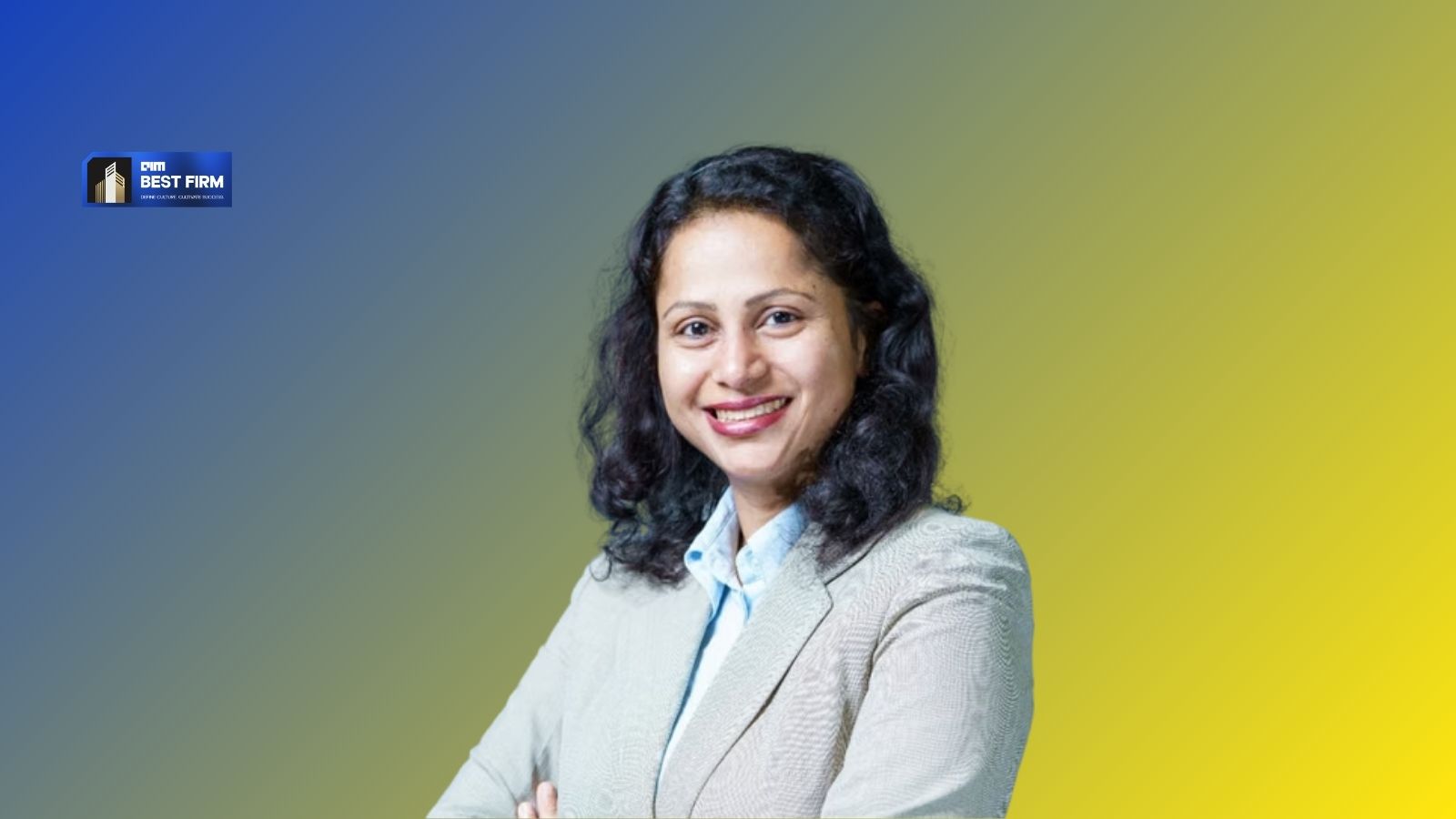
Flipkart Appoints Yogita Shanbagh as Vice President of Human Resources
Flipkart has appointed Yogita Shanbagh as Vice President of Human Resources. She will lead talent strategy, workforce planning, leadership development, and HR operations across the organisation. The mandate spans technology teams, supply chain operations, and corporate functions. At a company operating across multiple cities and business verticals, the role connects hiring plans, succession frameworks, and employee engagement systems with day-to-day business requirements.
IBM to Triple US Graduate Hiring in 2026 as AI Transforms Junior Roles
IBM plans to triple its entry-level hiring in the United States in 2026, expanding graduate recruitment even as artificial intelligence tools take on more routine junior tasks.
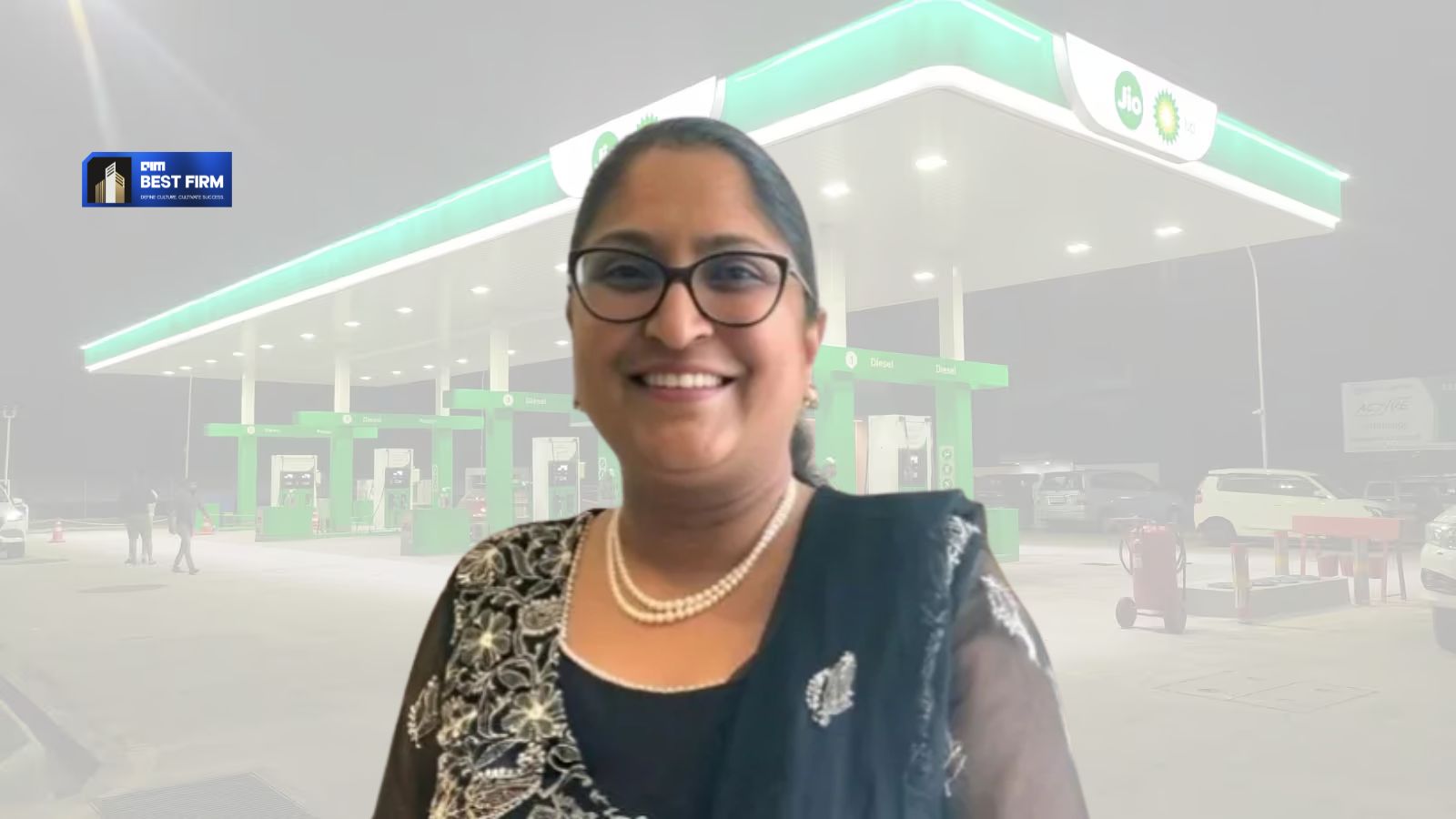
Jio-bp Appoints Sareeta Bhatikar as Chief Human Resources Officer
Jio-bp has appointed Sareeta Bhatikar as its Chief Human Resources Officer. She joins the Reliance Industries–bp joint venture after more than six years as Head of Human Resources at HDFC Life, where she led people strategy for over 40,000 employees and supported HR integration during the Exide Life merger. Announcing her move on LinkedIn, Bhatikar said she was “delighted to start my new chapter” at Jio-bp. In her new role, she will oversee talent acquisition, workforce planning and HR operations across the company’s fuel retail and mobility network in India.
Google Rolls Out Voluntary Exit Packages for US Business Teams
Google is offering voluntary exit packages to select US business teams as it tightens performance expectations and deepens AI integration across commercial functions. The move follows earlier workforce cuts and comes as Alphabet reports record revenue.

How Reverse Mentorship Unlocks Learning across Every Level
Reverse mentorship enables younger employees and senior leaders to learn from each other, combining digital fluency with experience to build more adaptive, inclusive, and future-ready organisations.

JioHotstar Appoints Senior Leaders Across Product and Engineering
JioHotstar has appointed senior leaders from Google, Flipkart, Razorpay, CRED, ShareChat, and Cleartrip following the 2025 integration of Disney+ Hotstar and JioCinema. The hires span product, marketing, engineering, and advertising technology, strengthening core platform functions such as discovery, viewer experience, and ad systems as the unified streaming service operates across subscription and advertising-supported formats in India’s expanding digital video market.

How Payroll Turned Into a Compliance and Control Function
Payroll has outgrown its role as an administrative service. It now underpins regulatory compliance, financial reporting, and workforce oversight, yet many organisations continue to manage it with operating models and governance structures designed for a support function.

Wells Fargo Announces Fresh Layoffs in 2026
Wells Fargo is cutting nearly 150 jobs in 2026, including 112 in North Carolina, mainly in loan servicing and support roles. The layoffs continue a multi-year trend that has reduced the bank’s workforce by about 25 percent since 2020.
After a Strong 2025, Cognizant Pays Out Full Bonuses
Cognizant’s bonus payout follows several years of steady improvement in revenue growth and execution. Leadership linked the reward directly to outcomes built over time, rather than short-term performance spikes.

APAC Financial Services Names Aditi Nair Chief People Officer
APAC Financial Services has named Aditi Nair Chief People Officer. She joins from Practus and will work with leadership on people strategy as the company focuses on growth, quality, and profitability.
Ola Electric to Cut 5% of Workforce as Sales Slow
Ola Electric Mobility will cut about 5% of its workforce, or roughly 620 employees, as it tightens costs amid falling revenue and widening losses. The move follows two earlier rounds of layoffs since late 2024 and comes as the company grapples with slowing sales, operational challenges and rising competition in India’s electric two-wheeler market. Revenue nearly halved year on year in the first quarter of FY26, while market share has declined sharply from its peak.
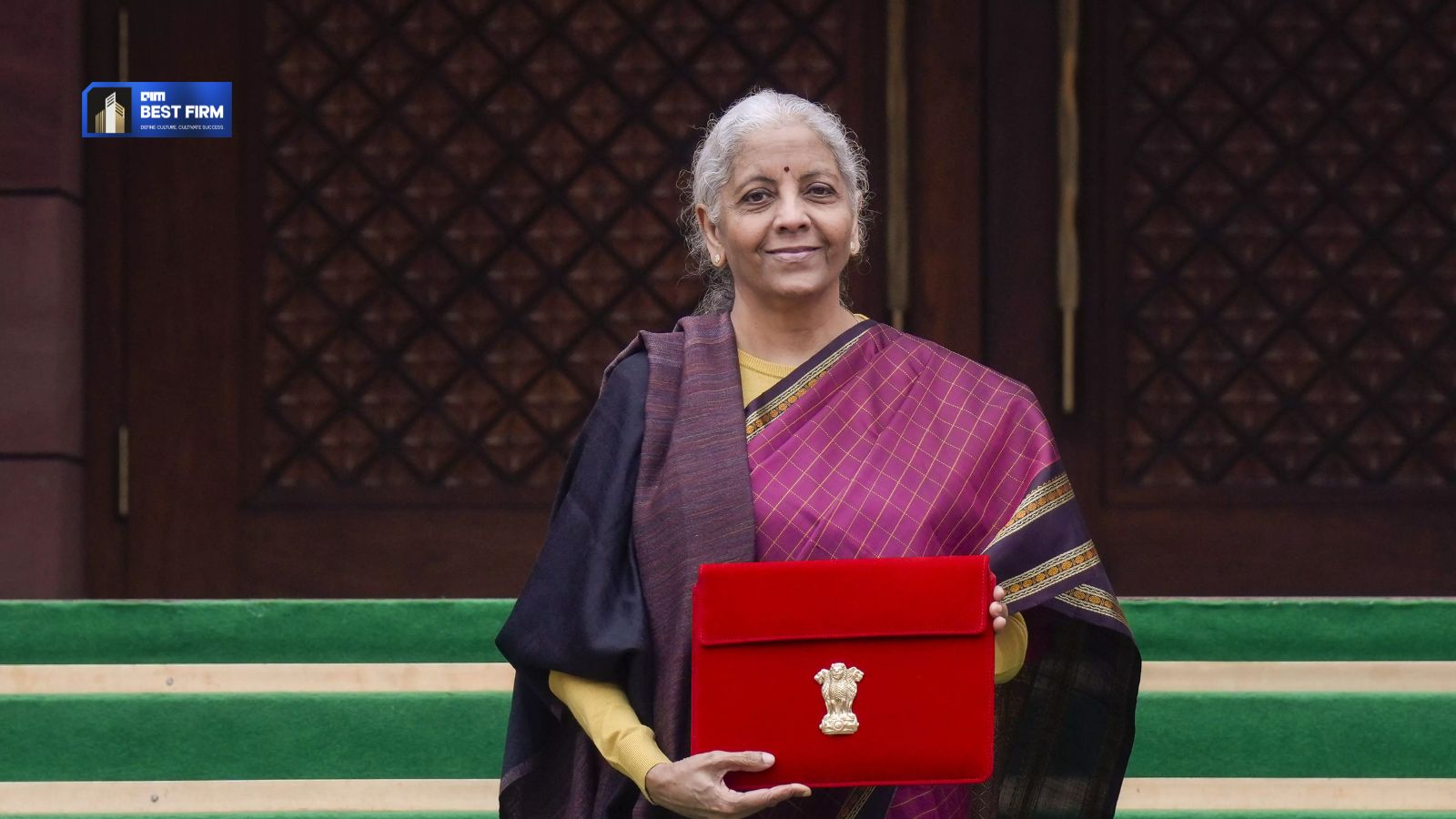
Union Budget 2026 Brings Key Changes for Employees, Employers and HR Leaders
Union Budget 2026 moves away from small tax tweaks and makes HR and payroll teams deal with real operational change. From income tax processes to contractor payments and skilling programmes, the announcements push organisations to adjust systems and workflows rather than just update policies. For employers and HR leaders, the impact will depend less on what was announced and more on how quickly they respond to it.

Mastercard to Cut Jobs After Strategic Review, 4% of Global Workforce Affected
Mastercard will cut around 4% of its global workforce following a strategic review of its operations, the company said during its latest earnings call. Based on its reported headcount of about 35,300 employees at the end of 2024, the reduction could affect more than 1,400 roles, though the company has not confirmed an exact figure.
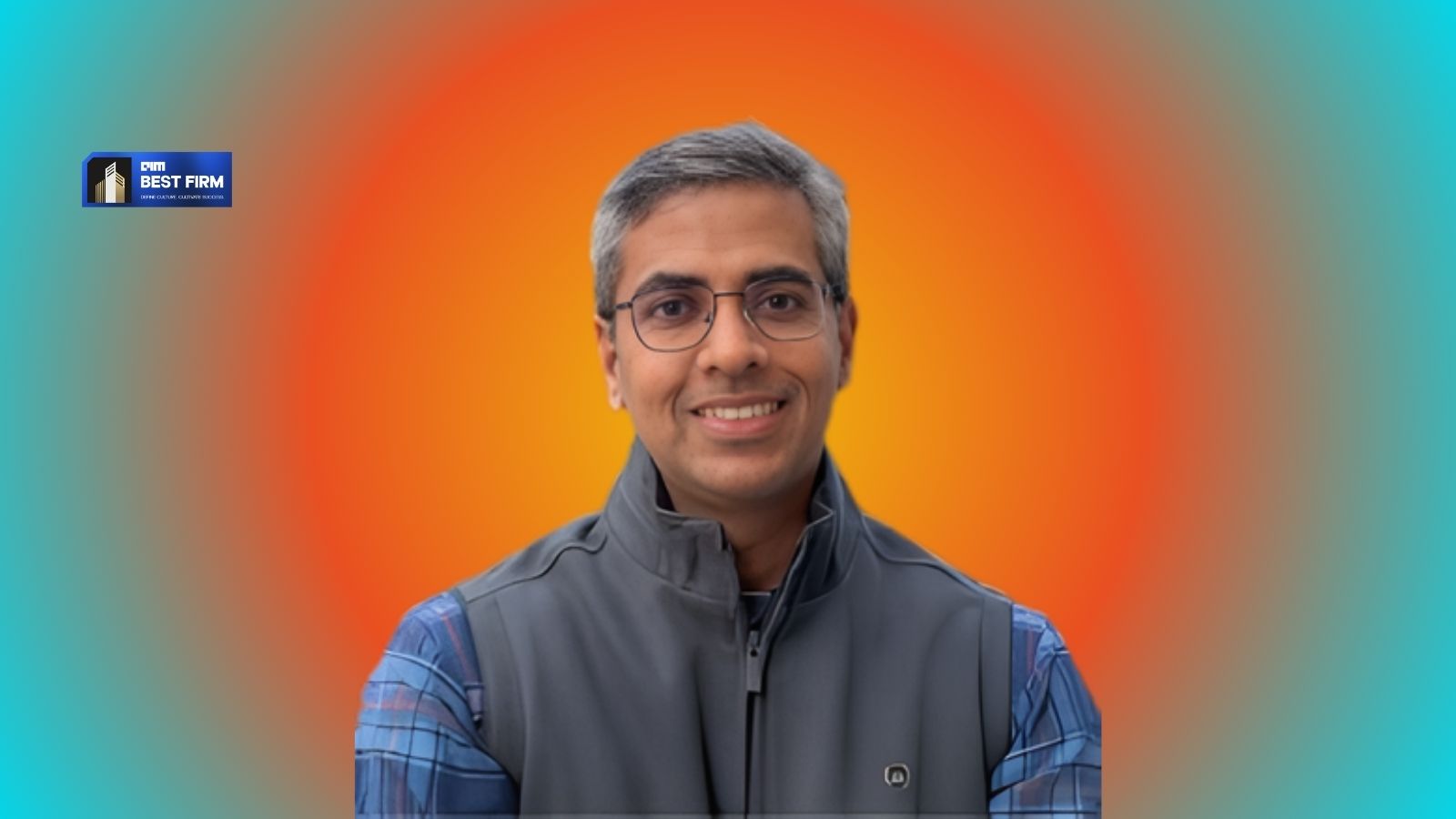
PeopleStrong Taps Aashay Manake as Chief People Officer
PeopleStrong has appointed Aashay Manake as its Chief People Officer, placing him in charge of the company’s people and culture strategy. With over 16 years of experience in senior HR roles across multiple sectors, Manake will focus on leadership development, workforce effectiveness, and building scalable HR practices as PeopleStrong continues to grow its enterprise client base.
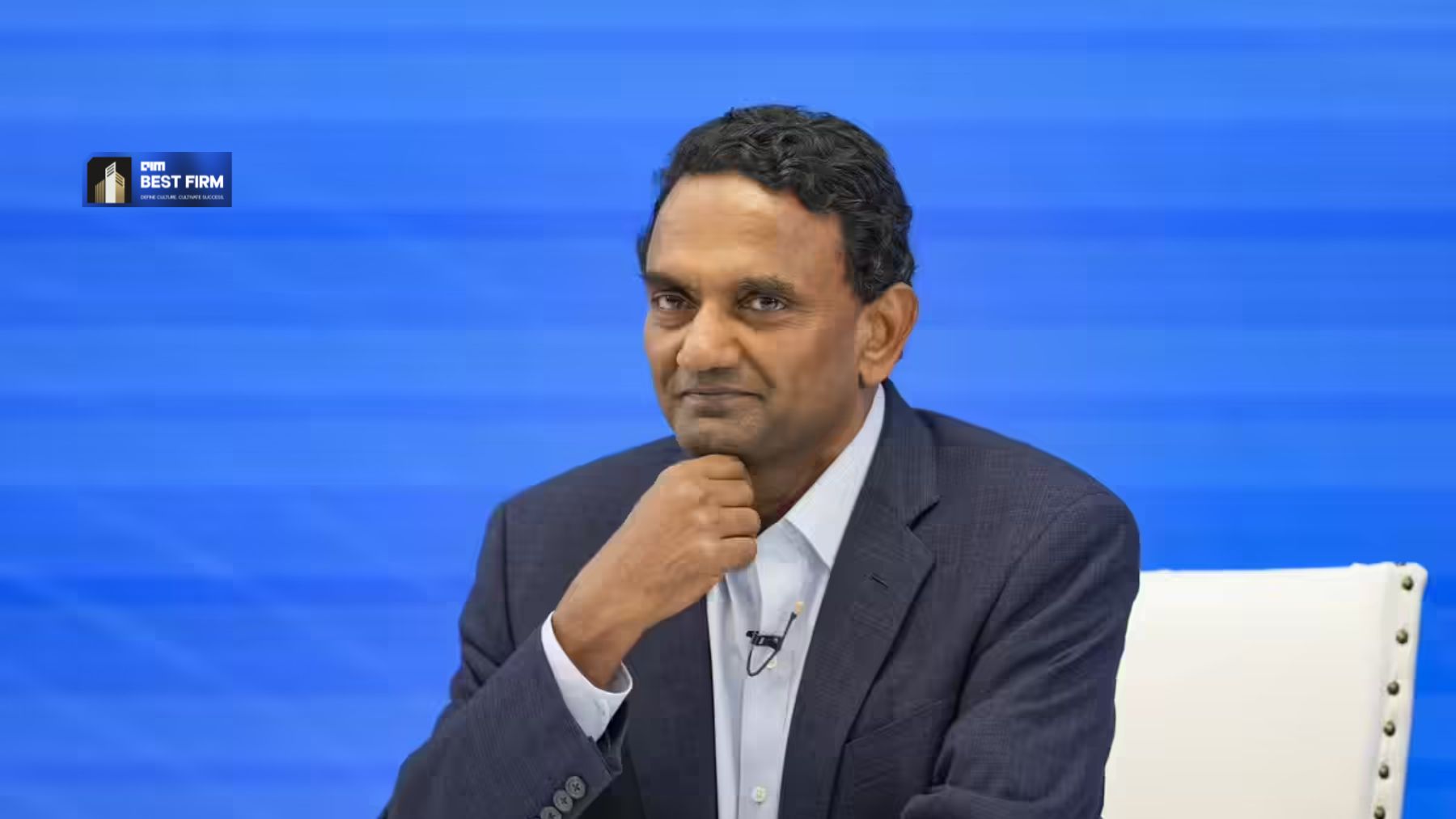
AI Will Not Trigger Mass Layoffs, Says TCS Chief
Tata Consultancy Services chief executive K Krithivasan said the company does not expect artificial intelligence to lead to mass layoffs, even as it adjusts its workforce following nearly 30,000 exits over the past two quarters. “AI is not going to create lay-offs by itself,” he said, adding that the company’s AI services are helping improve productivity and support new client deals.

Delhi Government Begins Rollout of Digital HR and Payroll System Across Departments
The Delhi government has begun digitising HR and payroll operations through a centralised human resource management system. The platform will consolidate employee records and automate salary processing for thousands of government staff, replacing manual and department-specific workflows. Officials have said the phased rollout is intended to improve accuracy and administrative efficiency, without changes to employment policy.
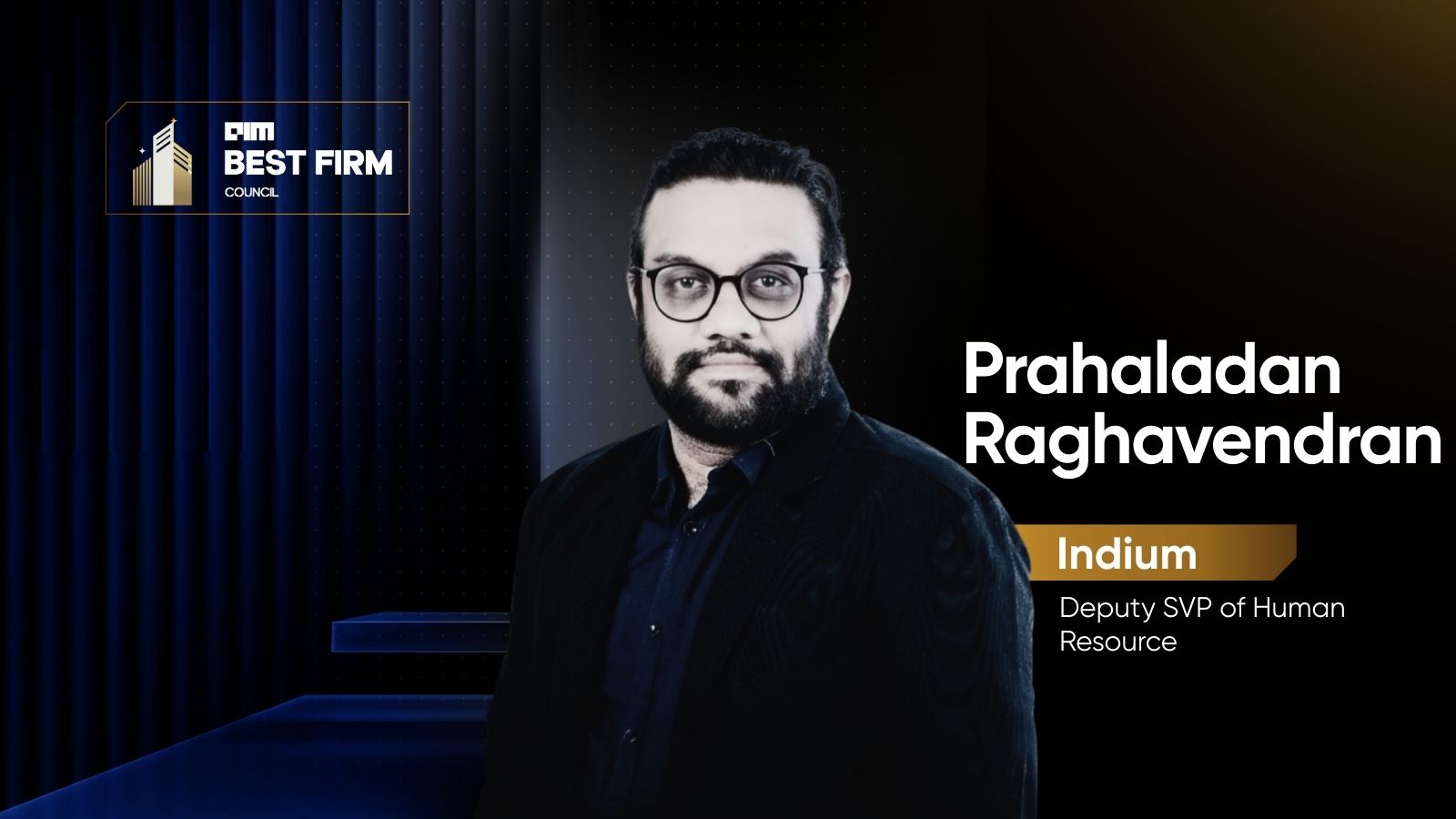
HR Vision Talk: Prahaladan Raghavendran on Context, Judgment, and Execution in HR Leadership
As organisations grow, people systems often outpace understanding. Decisions travel across layers, and meaning can weaken along the way. Prahaladan Raghavendran believes HR credibility depends on whether people can connect decisions to the business. “Context matters more than uniformity,” he says. Technology supports insight, but clarity and judgment determine how decisions are understood and accepted.
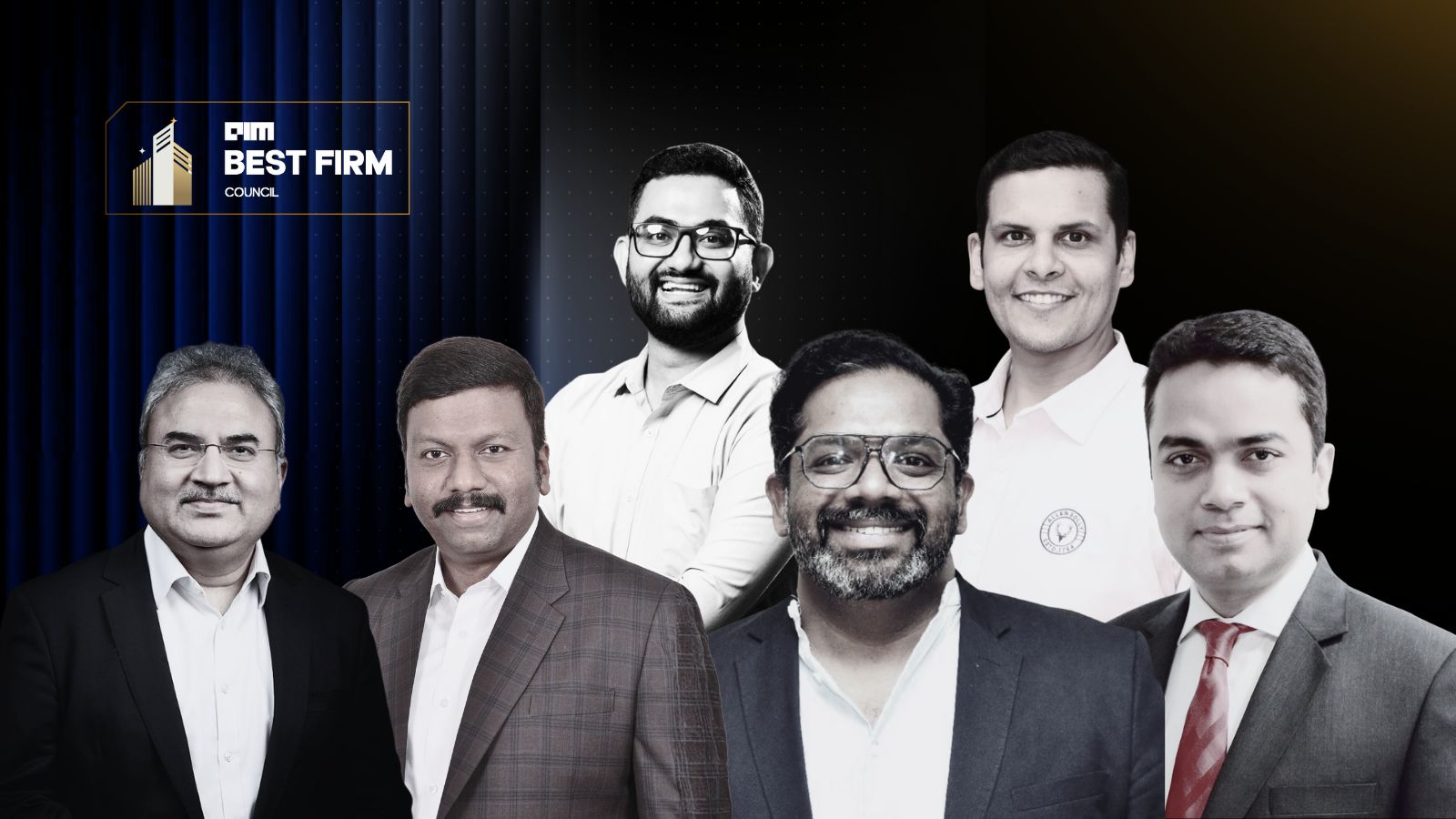
Council Dialogue: Rethinking HR in the Age of AI
HR in large organisations is evolving rapidly as AI and technology accelerate workflows, automate routine tasks, and increase decision volume. Leaders now focus less on coordination and more on judgment, accountability, and shaping the employee experience. Success depends on balancing speed, trust, and clarity while managing the hidden pressures that come with faster systems.
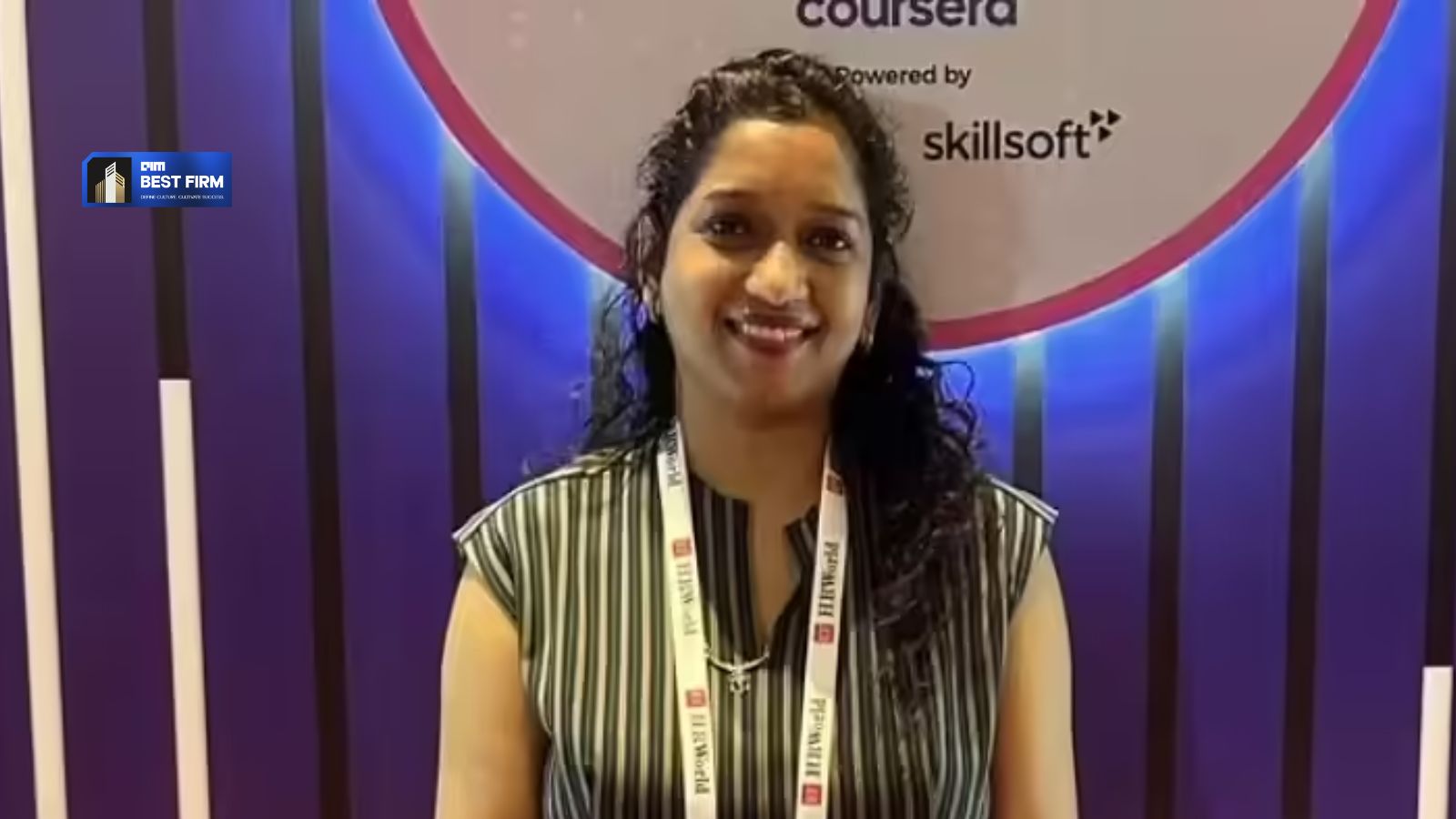
Capgemini Appoints Vinisha S as HR Head for Talent Management and Strategic Initiatives
Capgemini has appointed Vinisha S as its new HR Head – Talent Management and Strategic Initiatives, placing her in charge of company-wide talent programmes and strategic people initiatives. She brings over 20 years of HR experience, including more than a decade at Hexaware Technologies. In her new role, Vinisha will oversee leadership development, succession planning, and workforce capability frameworks, as well as implement organisational development programmes and HR policies across the company’s global operations.
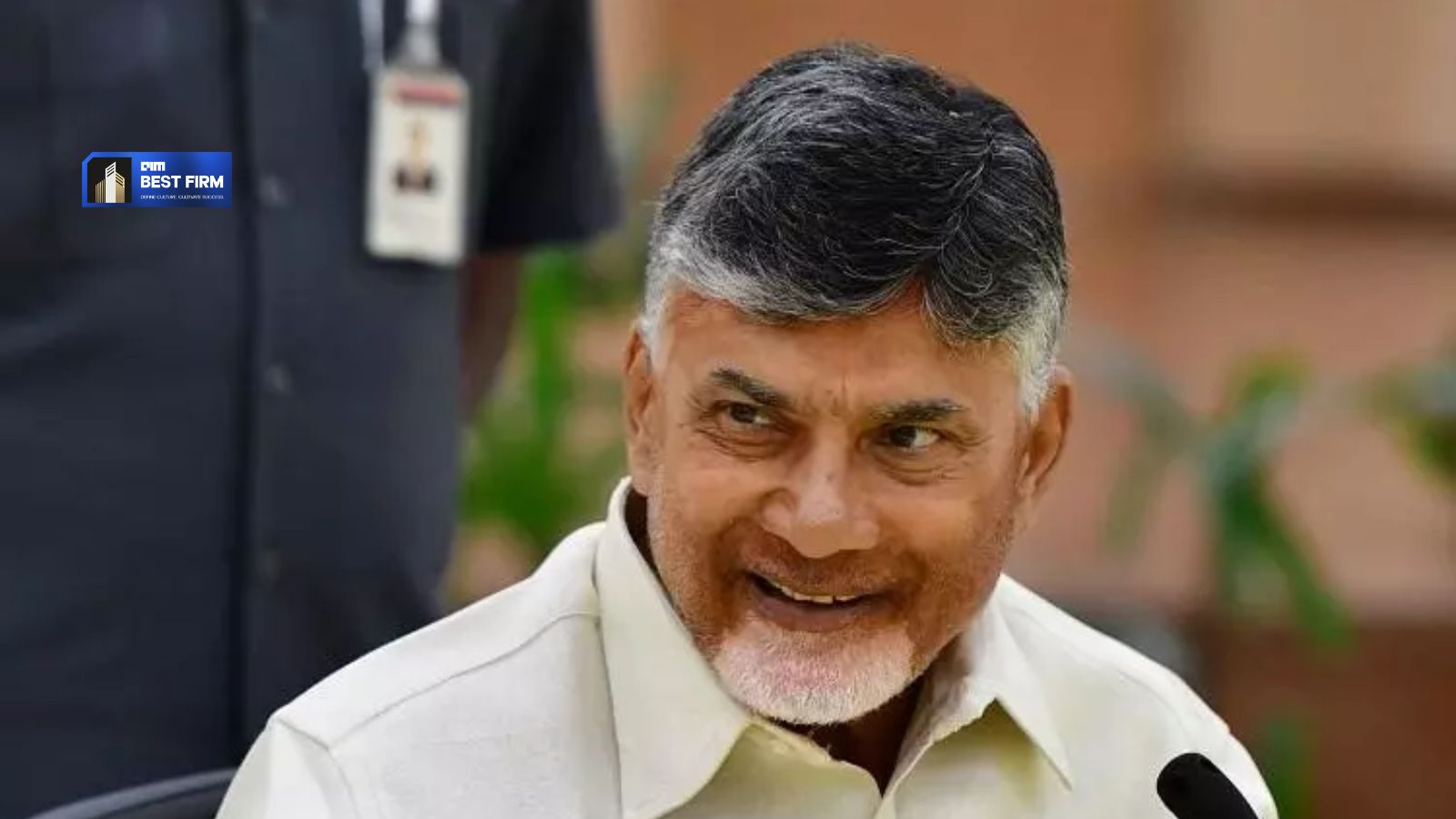
Naidu Urges Officials to Expand Use of Technology
Andhra Pradesh Chief Minister N. Chandrababu Naidu has asked officials to expand the use of technology across government functioning to ease the workload of field-level employees and improve public service delivery. Chairing a review meeting of the Real-Time Governance Society, he stressed the need for better training, continuous monitoring, and wider adoption of digital tools to ensure measurable administrative outcomes. Naidu also said technology should support faster grievance redressal, stronger data-based decision-making, and improved coordination across departments.

HR Vision Talk: Monica Mishra on People Leadership When Speed Meets Accountability
Fast growth brings speed, but it also raises the cost of unclear decisions. For Monica Mishra, Chief Human Resource Officer at Fibe, people leadership in regulated, high-growth environments depends on clarity and accountability as much as agility. Drawing on experience across retail, banking, and founder-led organisations, she emphasises strong governance, visible priorities, and disciplined communication. “Resilience does not come from speed alone or from process alone,” Mishra says. “It emerges when agility is supported by strong governance.”

Amazon to Start Fresh Layoffs Next Week as 30,000 Job Cut Plan Nears Completion
Amazon is set to begin another round of corporate layoffs next week as part of its plan to reduce approximately 30,000 roles globally. The cuts follow an earlier phase in October that eliminated about 14,000 positions and are focused on white-collar roles rather than frontline staff. The latest reductions form part of Amazon’s ongoing cost and workforce restructuring efforts after years of pandemic-era expansion, with the company yet to disclose the exact number of jobs affected in this phase.
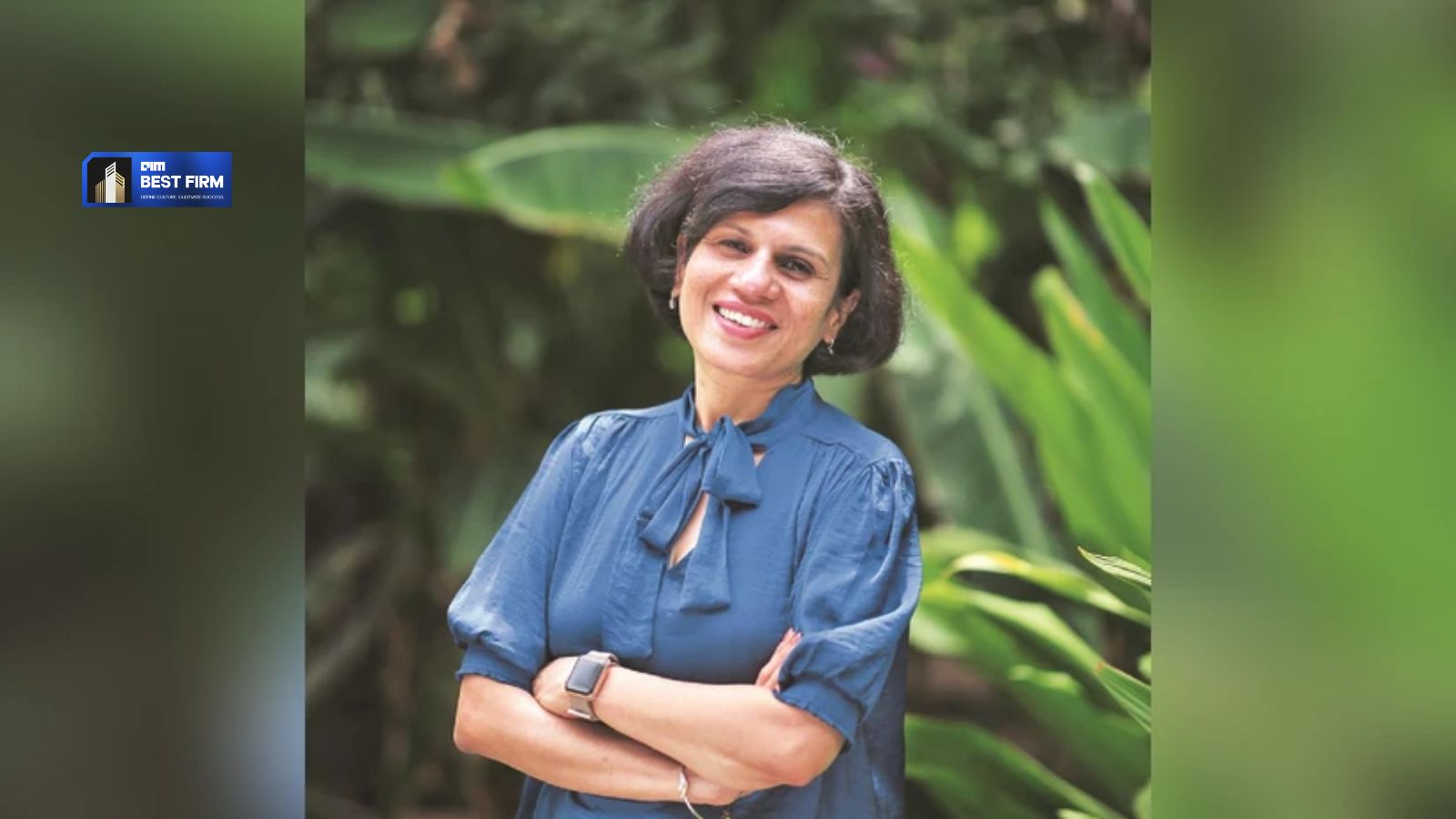
Irina Ghose Appointed Managing Director for Anthropic India
Anthropic has appointed former Microsoft India Managing Director Irina Ghose as its India MD, according to Reuters. The move comes ahead of the opening of the company’s first India office in Bengaluru, as India emerges as Anthropic’s second-largest market for its Claude AI chatbot.
After Layoffs, Meta Puts 300% Bonuses on the Table for Its Best Employees
Meta has laid off around 1,000 employees while rolling out a new performance review system that sharply raises bonus payouts for top performers. Under the revised framework, a small group of employees will be eligible for incentives of up to 300 percent, even as overall headcount continues to shrink.
TCS reports over 11,000 drop in employee count in Q3FY26, fresher intake rises sharply
Tata Consultancy Services reported a net decline of over 11,000 employees in the third quarter of FY26, even as it doubled fresher hiring during the period. The company also said it trained more than 217,000 employees in artificial intelligence skills as part of its ongoing workforce upskilling efforts. Notably, TCS did not disclose its total employee headcount in its Q3 earnings communication, a departure from prior quarters.
Hyundai to Deploy Humanoid Robots in Manufacturing Operations From 2028
Hyundai Motor Group plans to deploy humanoid robots across its manufacturing operations from 2028, starting with its Georgia-based Metaplant in the United States. The rollout will use the Atlas humanoid robot developed by Boston Dynamics, with initial deployment focused on logistics and sequencing tasks before expanding into assembly and precision operations. Hyundai has stated that human workers will continue to play central roles in supervision, quality control, training, and production management as robotics are integrated into factory operations.
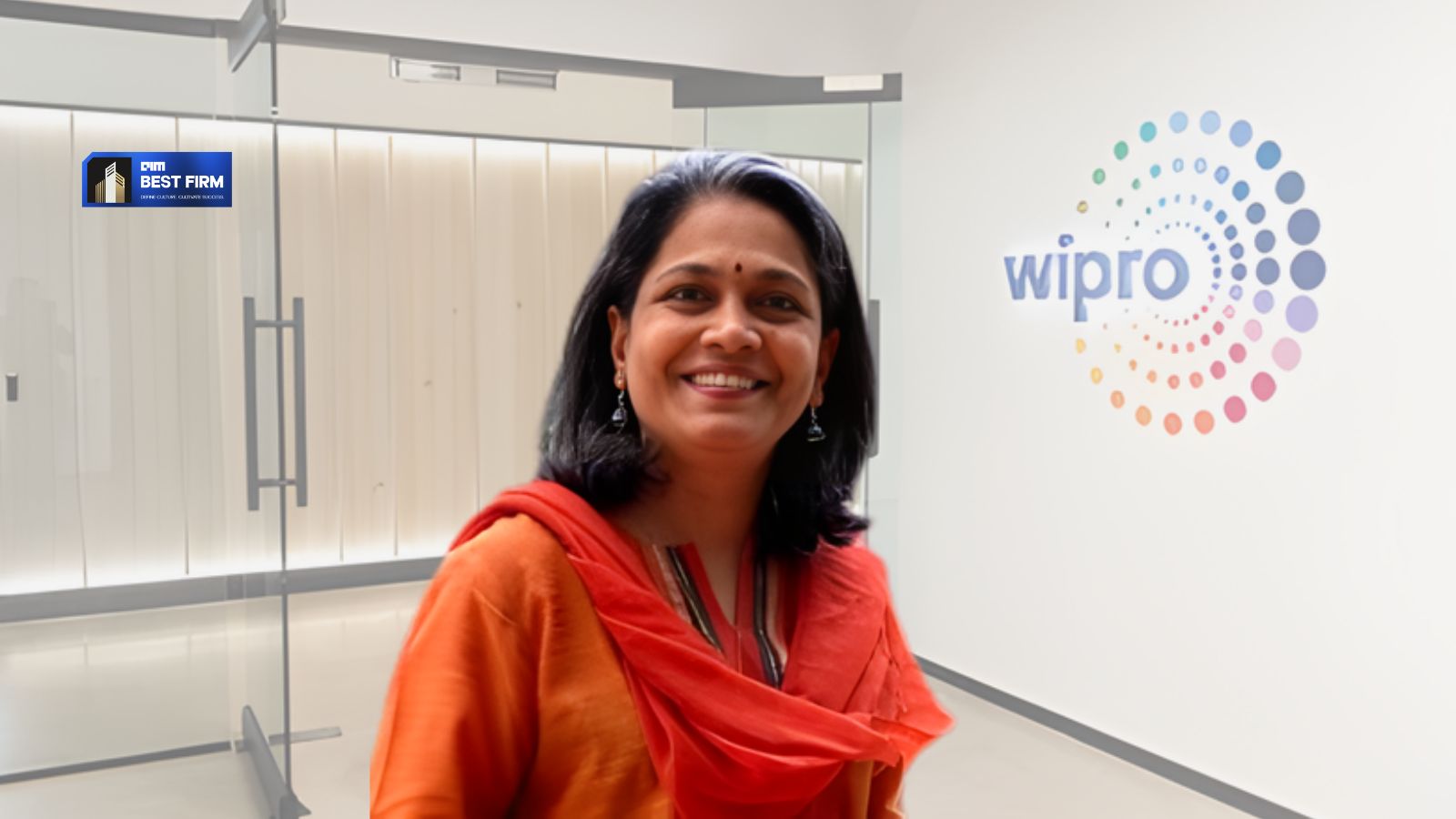
Wipro Chief Culture Officer Sunita Rebecca Cherian Retires After Nearly Three Decades
Sunita Rebecca Cherian, Chief Culture Officer and Senior Vice President – Human Resources at Wipro, has announced her retirement after nearly three decades with the company. Joining Wipro in 1996 straight out of campus, Cherian built a long career across people strategy, organisational design, and inclusion initiatives.
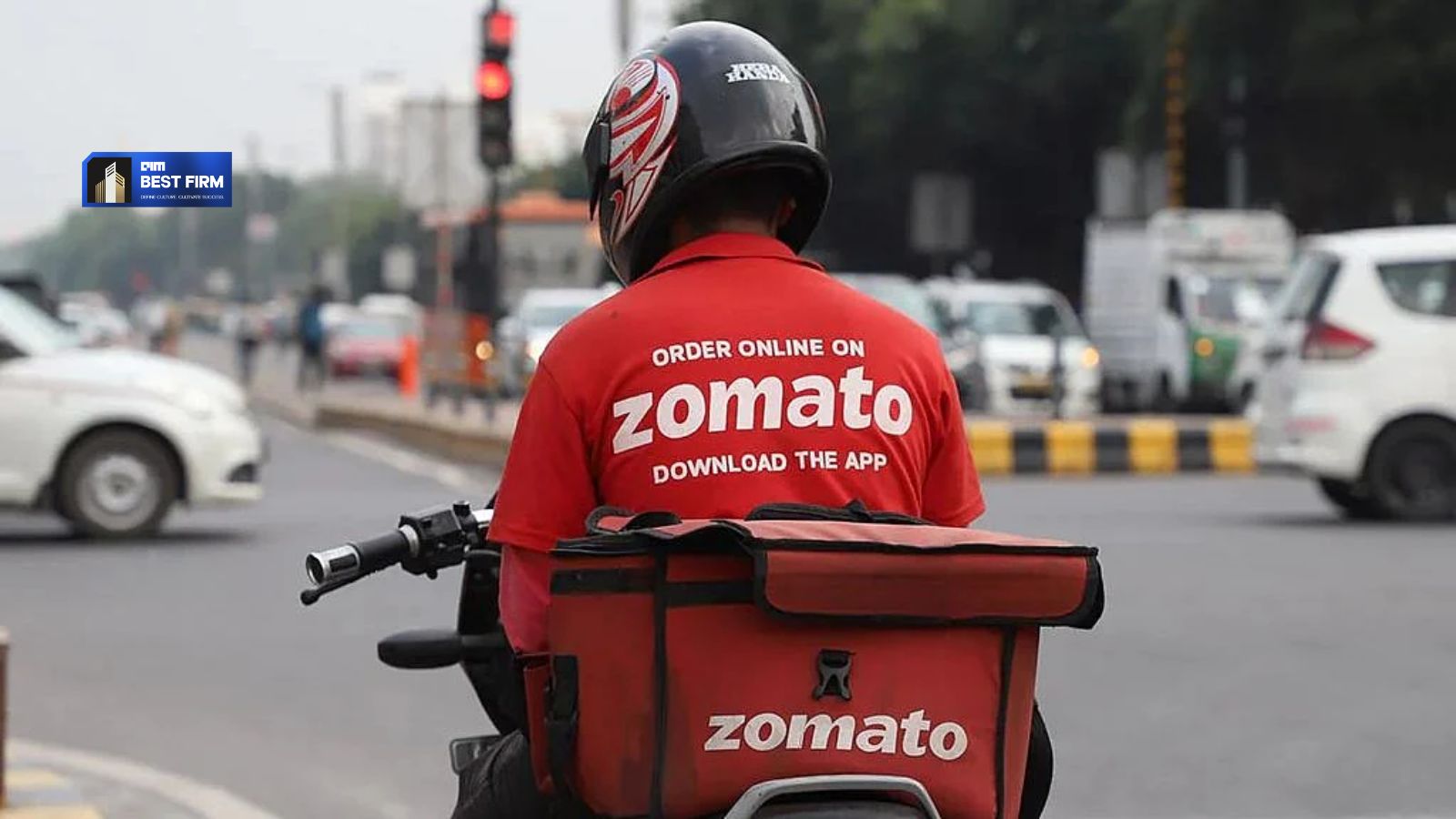
Zomato Says It Removes 5,000 Delivery Partners Monthly
Zomato says it terminates about 5,000 delivery partners each month, even as 1.5 to 2 lakh workers leave the platform voluntarily over the same period. The company describes the turnover as inherent to gig-based delivery work.
Wipro Revises Hybrid Guidelines, Introduces Six-Hour Office Rule
Wipro has revised its hybrid work guidelines, introducing a minimum six-hour office attendance requirement for employees on hybrid schedules. Effective January 1, 2026, the policy mandates that employees spend at least six hours in the office on designated work-from-office days, while completing the remaining hours remotely. The move formalises attendance expectations as large IT firms continue to refine post-pandemic hybrid work models.

Rajat Bansal Joins MobiKwik as Senior Director and Head of Talent Acquisition
MobiKwik has appointed Rajat Bansal as Senior Director and Head of Talent Acquisition. The appointment was announced in December 2025 and reported by People Matters. Bansal joins from Freecharge, where he led talent acquisition across business and technology roles. In his new role, he will oversee hiring strategy, workforce planning, and recruitment operations at the digital payments company, which serves consumers and merchants across India.
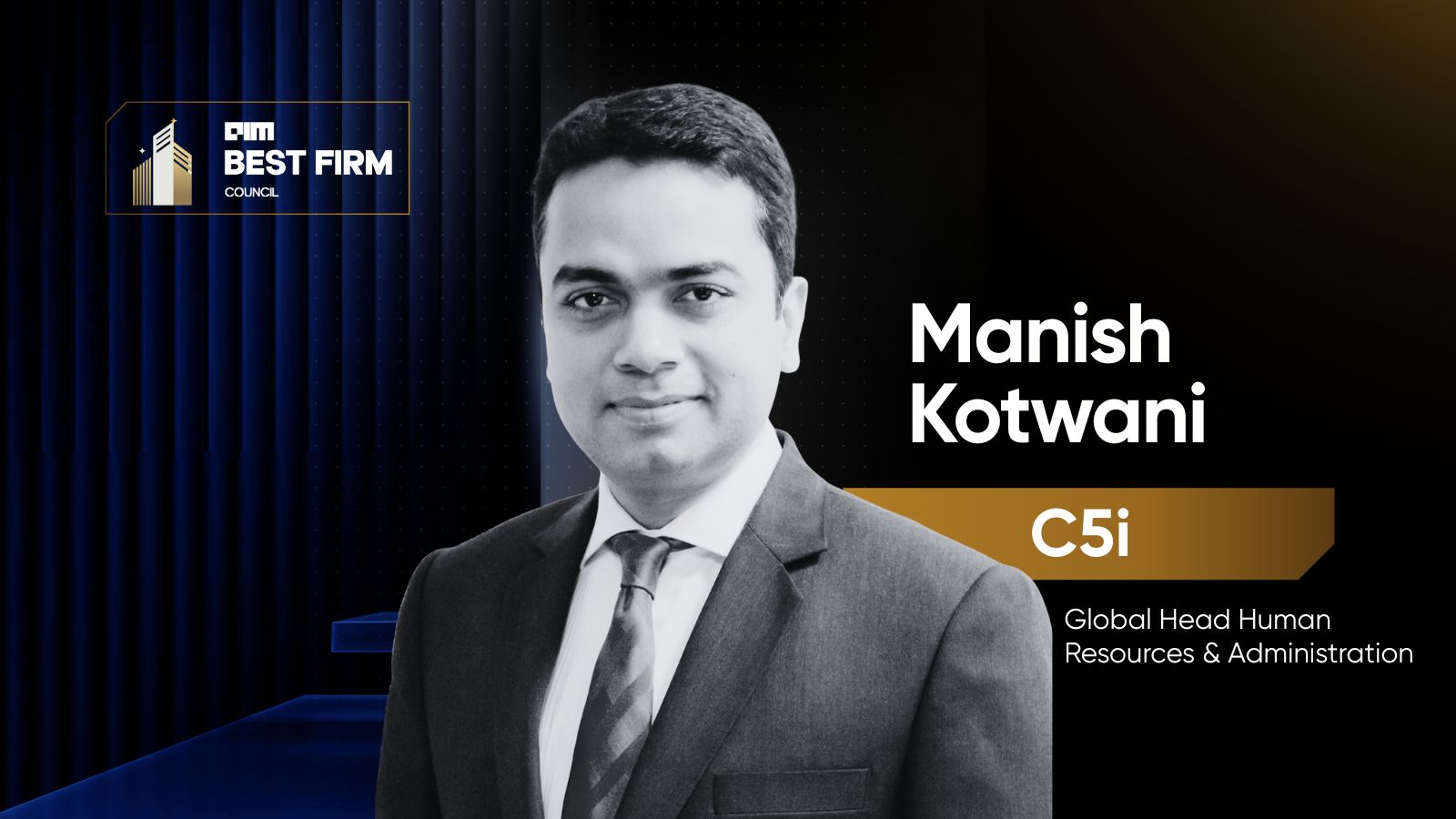
HR Vision Talk: Manish Kotwani on People Leadership When Speed Tests Behaviour
In fast-scaling technology and analytics firms, growth rarely causes failure. Ambiguity does. Manish Kotwani, Global Head of HR and Administration at C5i, says culture weakens when priorities shift without explanation and leadership behaviour becomes inconsistent. Trust holds when commitments are honoured and decisions are clearly linked to purpose. In his view, people leadership is tested most under speed, and discipline in everyday behaviour determines whether growth stays aligned or begins to fragment.

India’s Top 10 Tech-Driven Employers Shaping the Workforce in 2025
India’s employment market in 2025 was shaped by operational demand rather than broad-based expansion. As business activity moved deeper into system-led delivery, companies needed people who could support enterprise platforms, logistics networks, customer operations, and high-volume transaction environments. Hiring decisions were closely tied to execution intensity, not experimentation. Large technology services firms continued sizeable graduate intake to sustain delivery capacity, while consumer platforms and software companies added specialists across engineering, operations, and support functions. Workforce growth during the year was concentrated in roles linked to system stability, scale, and day-to-day business continuity across India-focused operations.

Coca-Cola Bottler HC CB to Cut About 300 Jobs in Profitability Push
Hindustan Coca-Cola Beverages has announced plans to cut about 300 jobs as part of a profitability push. The workforce reduction, representing roughly 4–6% of its India headcount, spans multiple business functions and comes after a sharp decline in FY25 profits.

Seepika Singhal Takes Charge as Vice President and India Head for Total Rewards at EXL
EXL has appointed Seepika Singhal as Vice President and India Head for Total Rewards, placing her in charge of compensation and benefits for over 42,000 employees across the company’s India operations. With extensive experience in Total Rewards leadership across consulting, technology services, healthcare, and manufacturing-linked businesses, Singhal brings a strong background in managing compensation frameworks, benefits programmes, and rewards governance at scale. Her appointment strengthens EXL’s human resources leadership in India, where structured compensation and benefits management remains a core element of workforce administration in large services organisations.
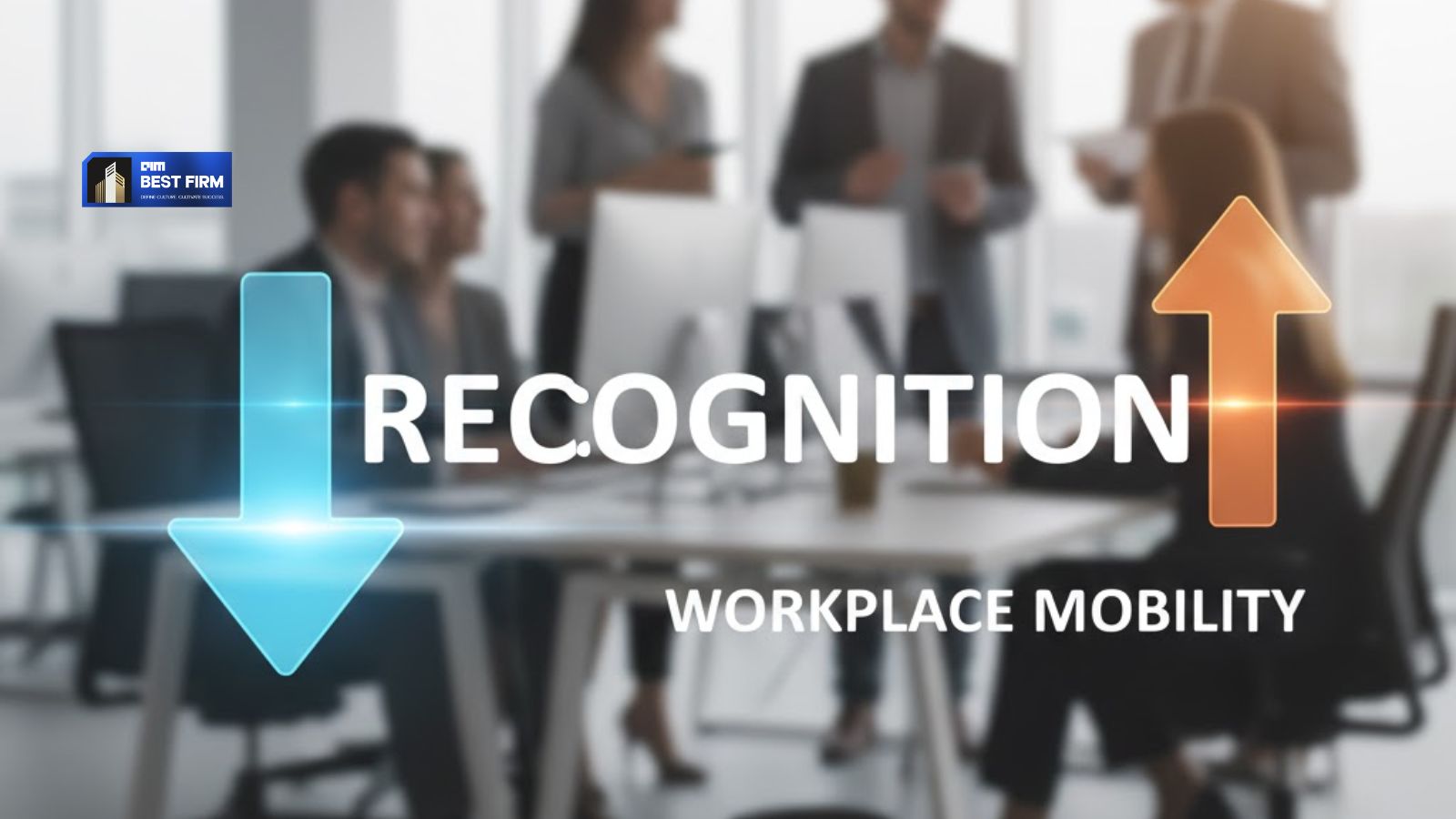
Manager-Led Recognition Is Eroding as Workforce Mobility Rises
Manager-led recognition is declining at a time when workforce mobility is rising, creating new pressure on retention heading into 2026. Recent findings from the Achievers Workforce Institute show that only 23% of employees feel meaningfully recognised at work, while recognition from managers has dropped sharply over the past year. As 34% of employees plan to look for a new role in 2026, the data highlights how inconsistent appreciation is shaping engagement, connection with managers, and long-term intent to stay.

Ashish Dadhwal Appointed Head of HR and Industrial Relations at Tenneco
Ashish Dadhwal has been appointed Head of Human Resources and Industrial Relations at Tenneco, where he will oversee HR and workforce relations across the company’s Indian manufacturing operations. With experience spanning plant HR, industrial relations, and statutory compliance, Dadhwal steps into the role after several years with the organisation, bringing continuity to people and labour management within Tenneco’s manufacturing setup.
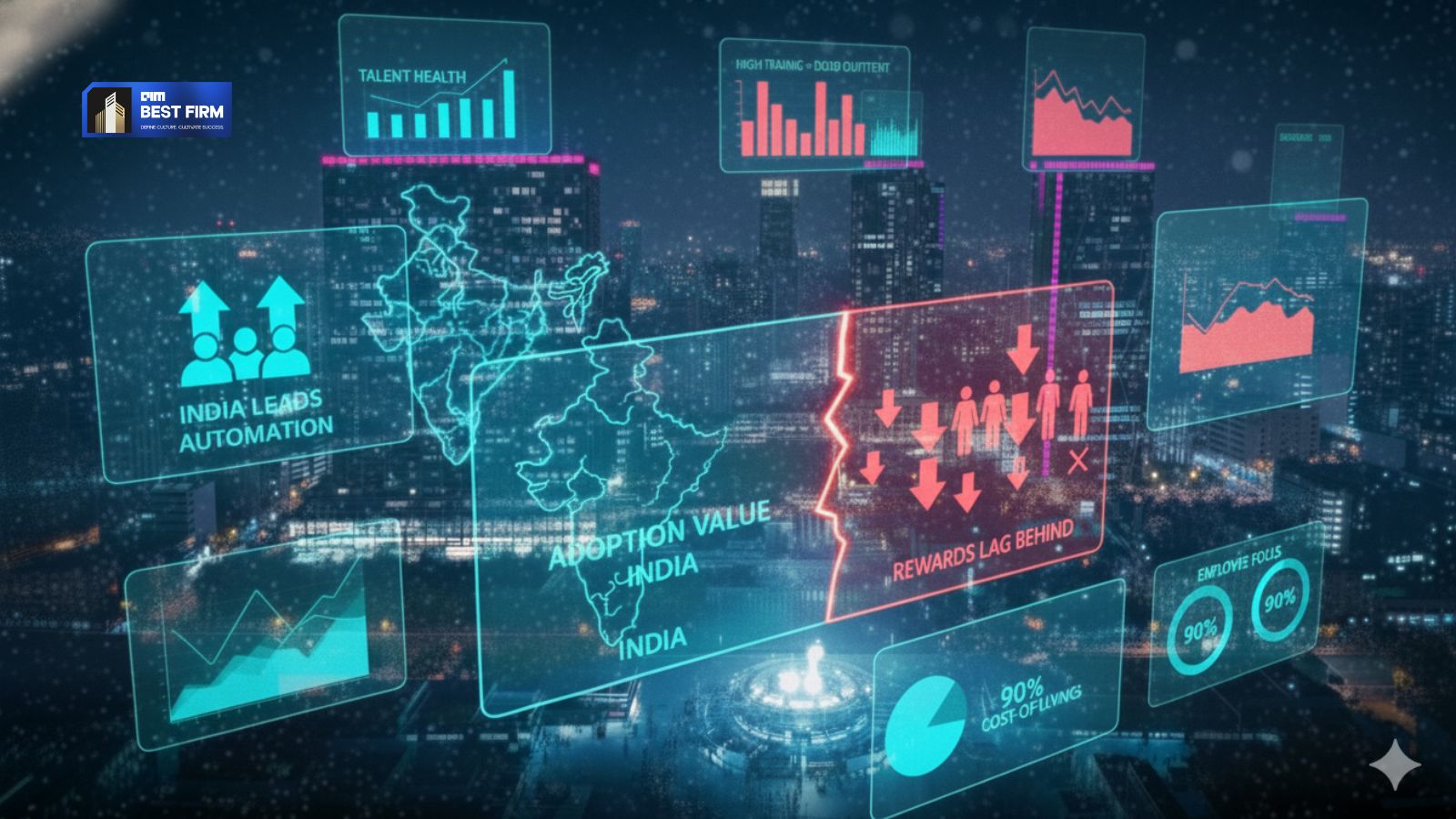
India Leads Workplace Automation Adoption, But Worker Rewards Lag Behind
India ranks highest globally for workplace adoption of advanced digital tools, with a talent health score of 82 out of 100, well above the global average. Employees report widespread daily use of automation, including high levels of unsanctioned tool usage. However, research highlights a clear disconnect between adoption and employee experience. A 13 percentage point gap exists between employers and employees on whether compensation fairly reflects skills and contributions. While employers prioritise capability development, employees continue to seek direct pay increases and cost-of-living adjustments, underscoring that adoption alone does not guarantee shared workplace benefits.
Zendesk Acquires Unleash to Expand Employee Service Search
Zendesk has acquired enterprise search firm Unleash to strengthen its employee service capabilities by connecting internal knowledge sources directly to support workflows. The move is aimed at helping organisations resolve employee issues faster by reducing time spent searching across multiple systems and by integrating secure, permission-based answers into everyday work tools such as Slack and Microsoft Teams.

HR Vision Talk: Avesh Jha on Designing People Systems for Global Scale
As organisations scale across regions, people systems often fragment, creating inconsistent leadership behaviour and unclear expectations. Avesh Jha, Senior Vice President at Hinduja Global Solutions, argues that the issue is not structural but behavioural. Drawing on three decades of experience, he emphasises the need for a strong common core in people systems, consistent leadership conduct, and individual accountability for development. According to Jha, credibility is built through daily actions, not processes, and no system or technology can replace human judgment and behaviour.

As GCC Hiring Tightens, Indian Employers Rework Talent Messaging
India’s Global Capability Centres are facing tight hiring conditions as demand for specialised skills outpaces supply. Attrition remains between 15% and 20%, with salary premiums of up to 50% for niche roles. In response, employers are sharpening communication around careers, learning, and role scope to compete for limited talent.
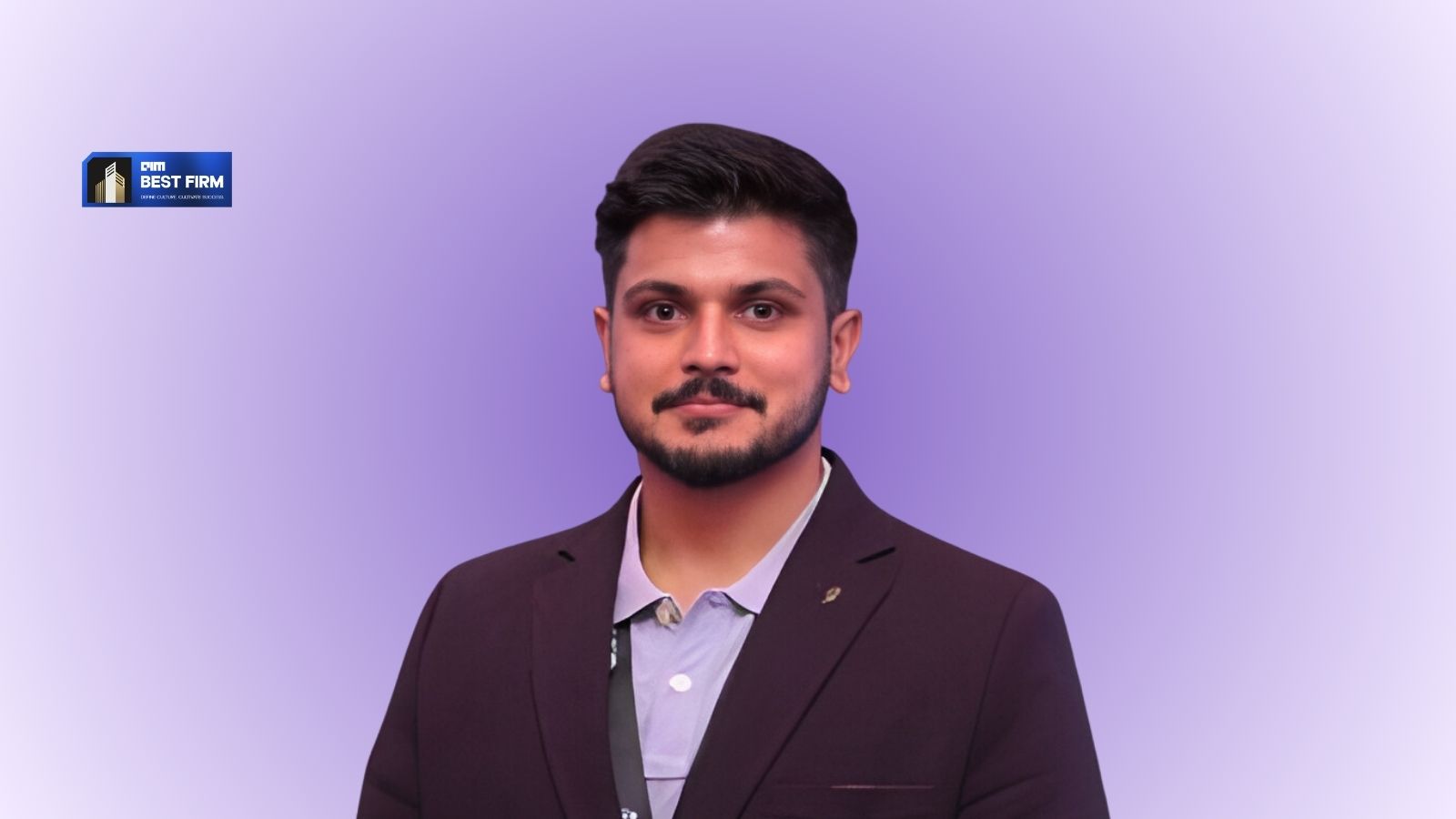
Sriram Akella Named Director of Customer Solutions at Micron Technology
Micron Technology has appointed Sriram Akella as Director of Customer Solutions, placing him in a senior role overseeing customer-facing solution delivery across enterprise accounts. Akella moves into the position after holding leadership roles within Micron’s engineering organisation, including Director of SSD Engineering. In his new role, he will lead teams that coordinate customer engagements across sales, engineering, and operations, supporting solution alignment, delivery, and ongoing customer support across Micron’s enterprise, cloud, and industrial businesses.
Arsenal Signs Multi-Year HR Platform Deal With Deel
Arsenal Football Club has signed a multi-year agreement with HR platform Deel, naming the company its Official HR Platform Partner. The deal will support workforce administration across Arsenal’s global operations and marks Deel’s first major entry into professional sport.
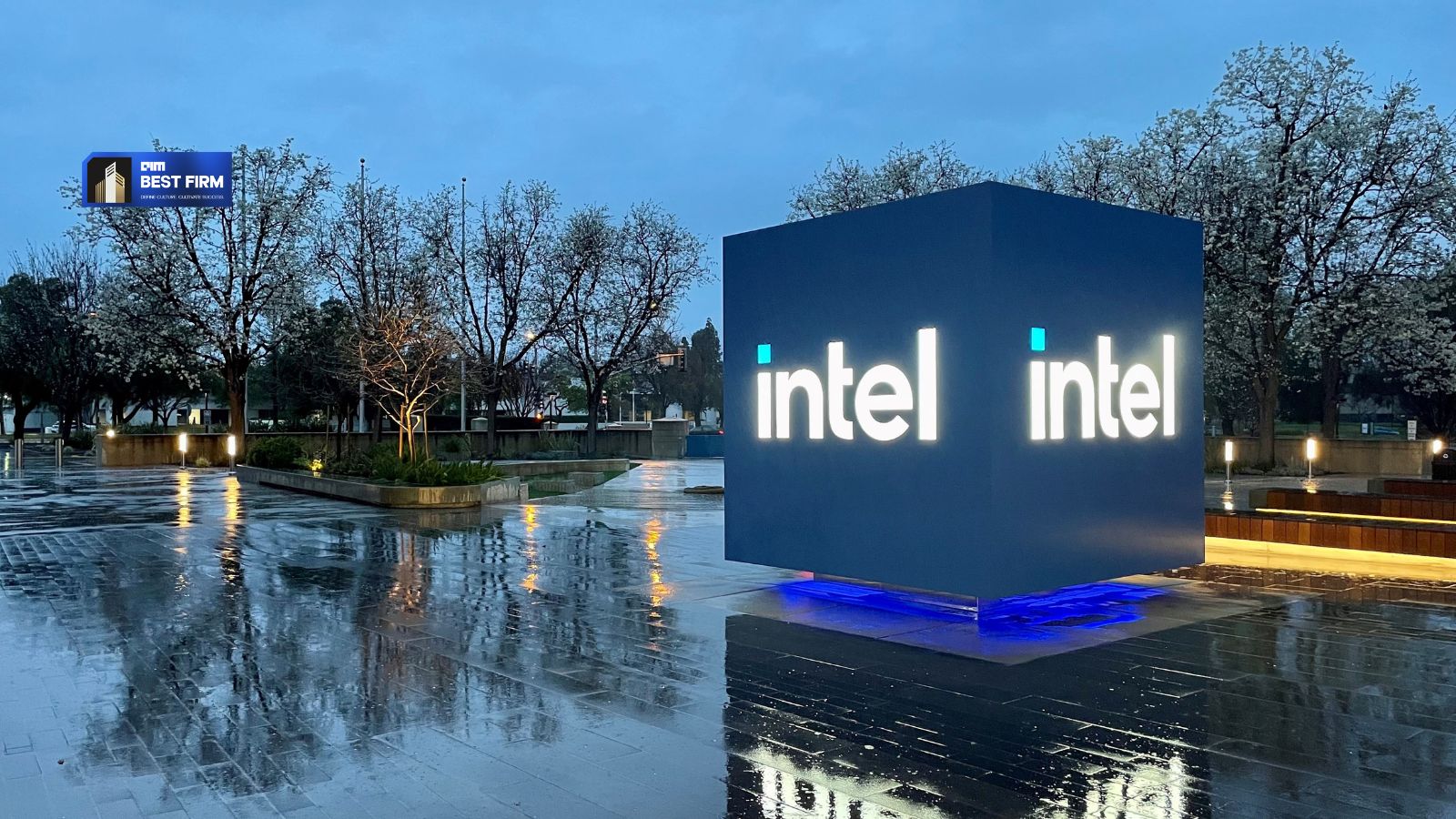
Intel Begins Layoffs in Santa Clara as Part of Global Workforce Adjustment
Intel has begun laying off employees in Santa Clara, California, eliminating 59 positions as part of a global workforce reduction plan targeting about 15 percent of its staff. The cuts, which include 45 roles at its main corporate campus, are linked to a restructuring initiative aimed at lowering operating costs and adjusting staffing levels across business units. Intel said the changes are intended to align its organisation with strategic priorities while continuing to hire selectively in key areas. These actions occur amid staffing adjustments at other major semiconductor companies.

India’s Energy Jobs Rise Amid Employment Anxiety
India’s energy sector continues to add jobs even as concerns about job security remain widespread across the workforce. International data shows energy employment growing faster than overall global job creation, with India recording one of the highest growth rates in 2024. The contrast between rising demand for skilled energy workers and persistent employment anxiety reflects the uneven nature of the country’s labour market.
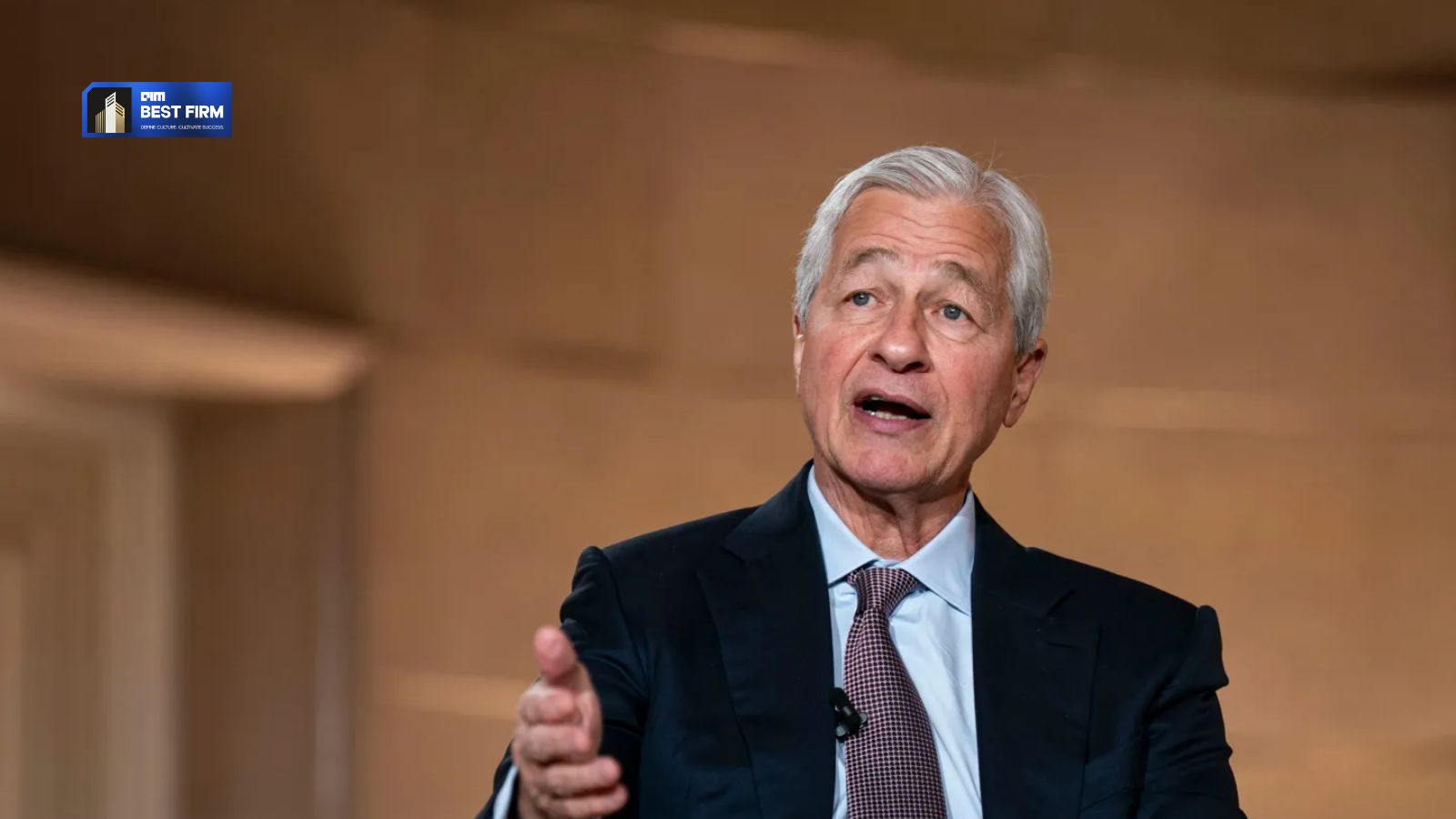
Jamie Dimon Says AI Will Cut Jobs and Names Five Skills He Believes Still Matter
Jamie Dimon has said artificial intelligence will eliminate jobs as companies adopt automation more deeply, urging organisations to confront workforce impact rather than delay difficult decisions. While calling AI a long-term positive for society, the JPMorgan Chase CEO stressed that skills such as critical thinking, emotional intelligence, communication, writing, and the ability to keep learning will continue to matter in large organisations where judgment and collaboration cannot be automated.

How Data Visualization Is Changing HR Decision Making in India
Indian HR teams are increasingly turning to data visualization to make sense of complex workforce information spread across regions, roles, and systems. Dashboards and charts now allow HR leaders to identify patterns in attrition, hiring, training, and engagement within minutes, rather than days. By presenting people data visually, HR teams can communicate trends clearly to senior leadership, support faster decision-making, and bring greater precision to workforce planning discussions.

HR Vision Talk: Anurag Verma on People Leadership in High-Velocity Tech
High-velocity tech companies move quickly, but their teams often lack the clarity needed to move with purpose. Anurag Verma, People Leader with experience across Flipkart, Uniphore, and ShareChat, has seen how rapid scaling strains alignment and weakens communication. For him, leadership is less about direction-setting and more about helping people understand how their work connects to the organization’s intent. Clarity and care, he notes, are what keep teams stable during constant change. When leaders communicate consistently, coach early, and manage behaviour with intention, teams stay focused even in fast-moving environments. HR’s role, he argues, is to own the people agenda, challenge assumptions, and anchor leadership behaviour so organizations can scale without losing direction.

PepsiCo Layoffs Are Underway as Part of Major Overhaul
PepsiCo Inc. has begun layoffs and major operational changes as it streamlines its U.S. business ahead of 2026. The company is cutting costs, reducing its product lineup by about 20 percent, simplifying ingredients, and closing select manufacturing sites, including two Frito-Lay plants in Orlando. The moves follow an agreement with activist investor Elliott Investment Management, which holds a $4 billion stake and pushed for stricter portfolio discipline. Employees across several U.S. offices have received notifications, while leadership shifts and new automation investments form the backbone of PepsiCo’s broader restructuring strategy.
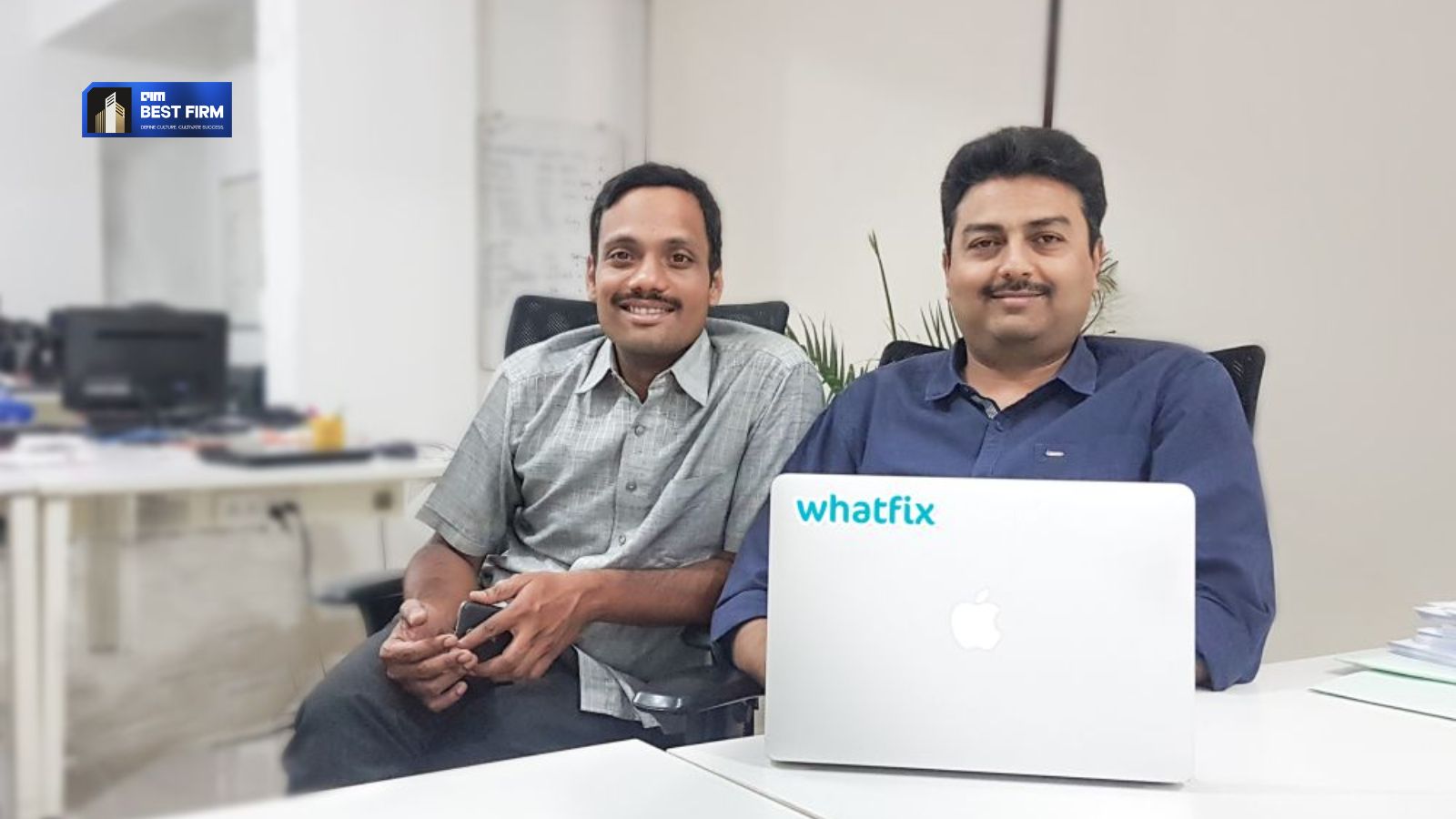
Whatfix Cuts 6% of Workforce as It Rebuilds Around AI-First Product Strategy
Whatfix has undertaken its first major workforce restructuring, laying off an estimated 60–80 employees, or about 6% of its staff. The reductions were concentrated in sales and marketing as the company shifts resources toward product and AI-led capabilities. Whatfix said the move is part of a broader “strategic realignment” designed to improve efficiency, respond to changing customer demand, and support long-term sustainable growth. The company, which has invested heavily in its AI-first roadmap since acquiring Airim in 2019, is reallocating headcount toward engineering, data science, and automation-led product areas.
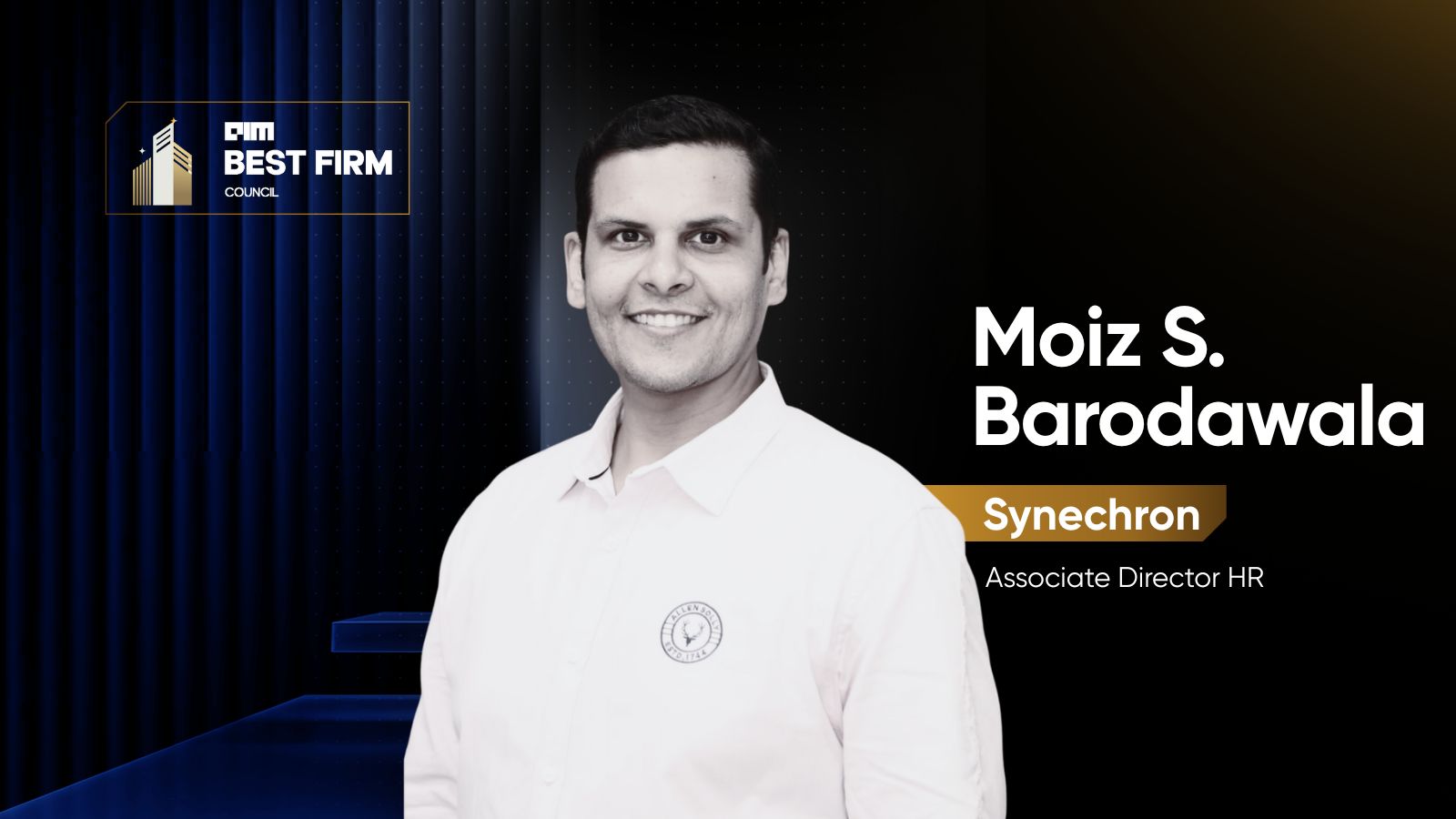
HR Vision Talk: Moiz B on Talent, Speed and Leadership Discipline
HR inside fast-moving tech organisations carries a weight that is often invisible. Businesses expand, projects grow complex, and expectations rise, yet support systems frequently lag behind. Moiz S. Barodawala, with over sixteen years in talent strategy and people operations, believes talent decisions directly influence business speed. “Talent is equal to business velocity,” he says. The right hire can steady a project, while delays can slow delivery. His approach emphasizes simple systems, clear information, and leaders who communicate steadily during rapid change. For Moiz, leadership clarity, practical learning, and data-driven insights ensure teams perform consistently without burning out.

One Staffing Error. Hundreds of Flights Grounded. IndiGo’s Toughest Week Yet
IndiGo, once the airline that ruled Indian skies, is facing a massive operational disruption. Hundreds of flights have been cancelled as new pilot duty-time rules come into effect, exposing gaps in crew planning and workforce management. Passengers are left waiting, terminals are crowded, and the airline scrambles to stabilise schedules, refunds, and rescheduling.
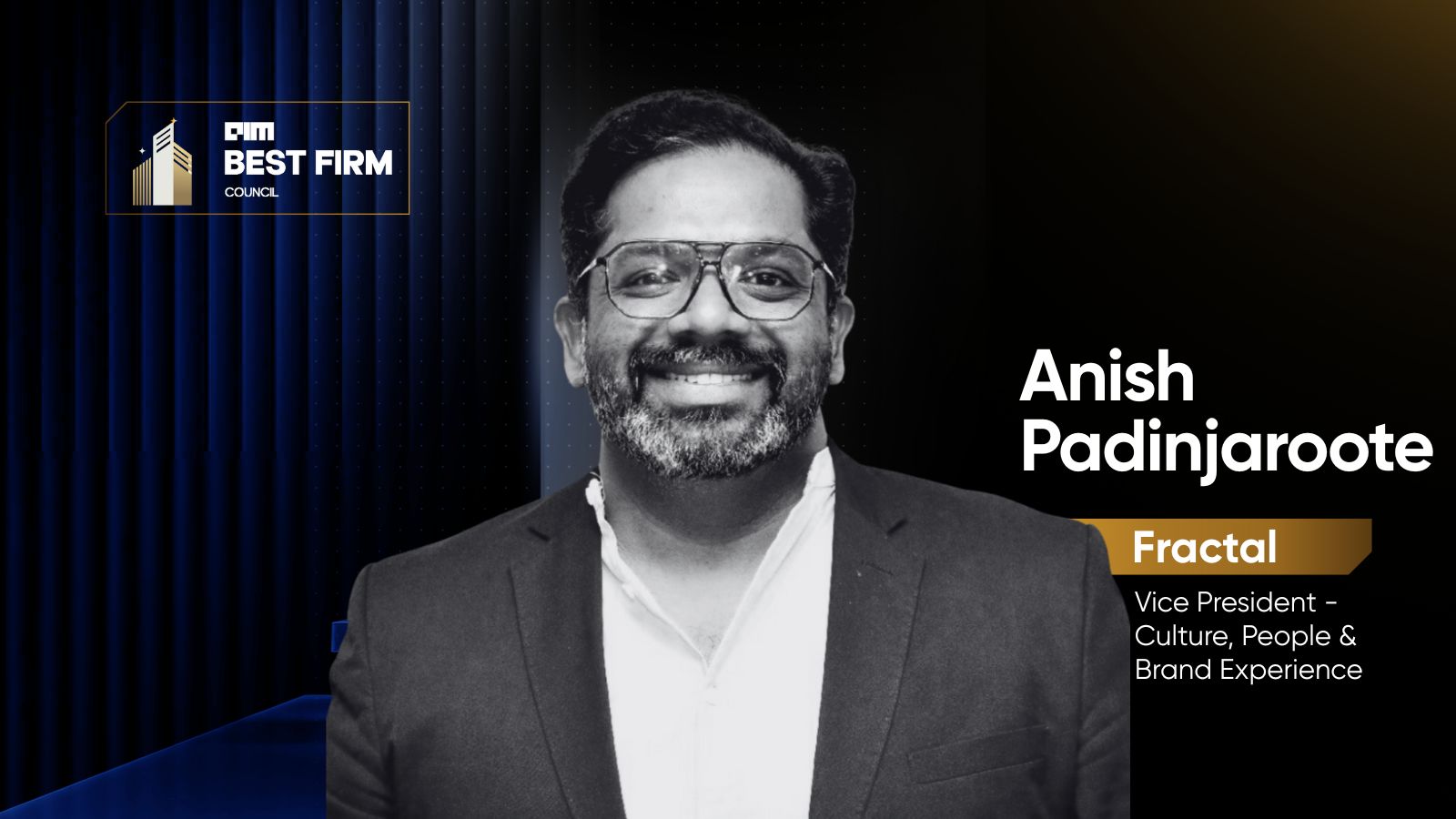
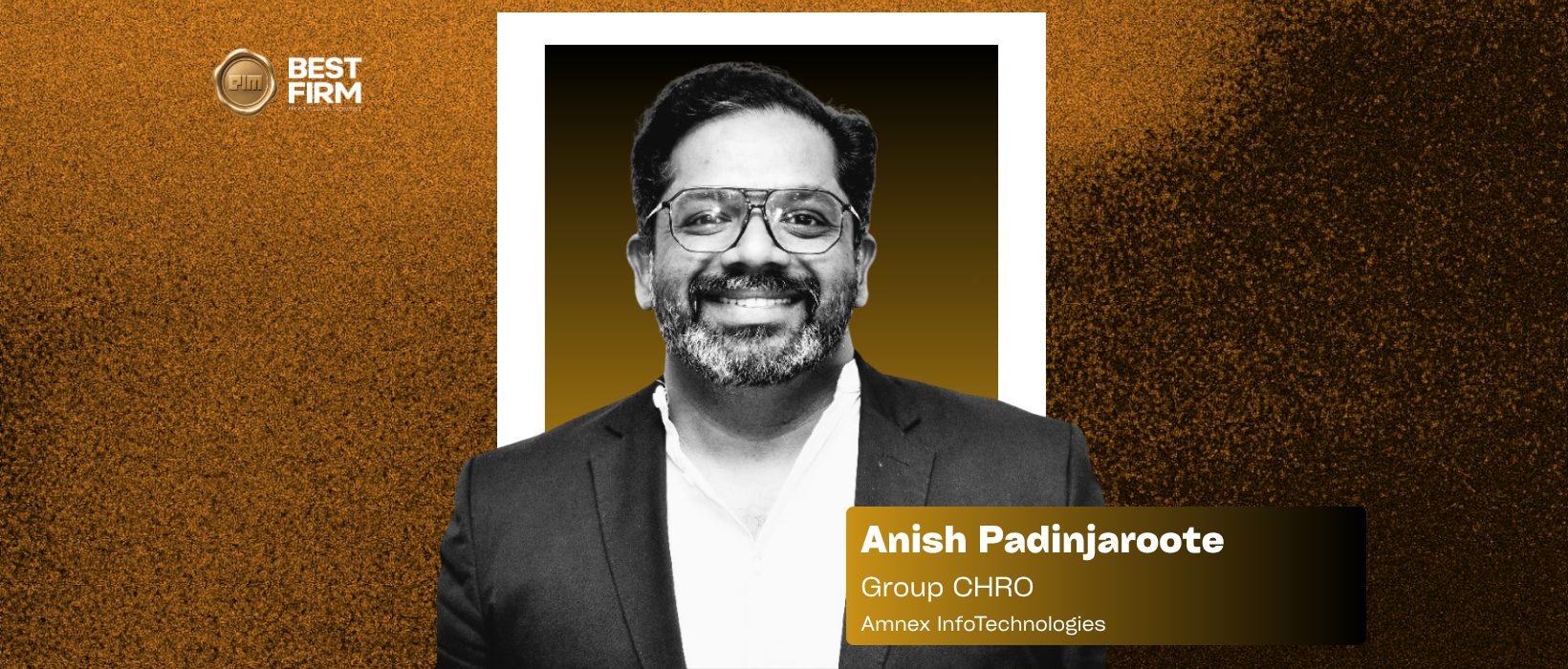
HR Vision Talk: Anish Padinjaroote on Culture and Clarity
Anish Padinjaroote believes culture is not built through values decks or slogans, but through clarity. As organisations scale, language becomes the first point of friction, and the middle layer becomes the stabiliser that interprets decisions, maintains alignment and keeps teams moving in the same direction. His philosophy rejects one-size-fits-all best practices, favouring context, simple principles and trust-based leadership. For Anish, culture works only when it is operationalised in everyday behaviour. As he puts it: “Happy managers make happy employees make happy clients make a happy company.”
Careervira AI Makes Top-10 Global LMS LXP HCM List
Careervira AI has been named among the world’s top 10 global LMS, LXP and HCM platforms. Designed for mid-market and fast-growing enterprises, the platform unifies learning management, talent development and HR operations under a single AI-powered layer. With over 125,000 courses, global accessibility and a January 2026 launch of Vira AI featuring 15+ specialised agents, Careervira AI aims to automate core HR and L&D workflows while delivering enterprise-grade capabilities at mid-market pricing. The platform is led by a former Google executive and is rapidly gaining adoption across technology, financial services and digital-native businesses.

AI Spending Rises as Indian CEOs Flag Talent Shortage as Top Risk
Indian companies are raising their AI budgets while struggling with an underprepared workforce, creating a structural gap that now shapes business planning across sectors. The KPMG 2025 India CEO Outlook shows that more than half of CEOs expect to allocate up to one-fifth of their annual budgets to AI, even as 34 percent cite a shortage of skilled talent as a major barrier. With fewer than half of graduates meeting industry standards, the mismatch slows integration, raises operational risk and puts added pressure on HR to rebuild training systems. Without stronger skill development, India’s rising AI investments risk delivering limited returns.

Culture × Capability: What Today’s Data Talent Actually Cares About
Data talent no longer trusts rankings or employer branding. They want proof that their growth, tools, and culture needs will be met. Demand is high, yet most companies lack structured development and retention systems. Certifications offer stronger credibility than awards because they validate real policies and employee experience. As salaries rise and competition intensifies, culture and capability—not popularity—are what keep data professionals committed.

GenAI Forces Indian HR to Manage Costs and Workforce Stability
Indian organisations are accelerating GenAI adoption, placing HR teams under pressure to balance technology integration with cost control and workforce stability. Most companies are already using AI in recruitment, talent management, and routine HR tasks, even as job roles shift and digital skill requirements rise. Yet only half have formal training programmes in place, creating a gap between operational needs and employee readiness. With rising workloads, tighter performance expectations, and ongoing workforce realignment, HR leaders are focusing on structured role changes, targeted skilling, and coordinated planning with business teams. The priority is to maintain continuity and capability while embedding AI into day-to-day operations.
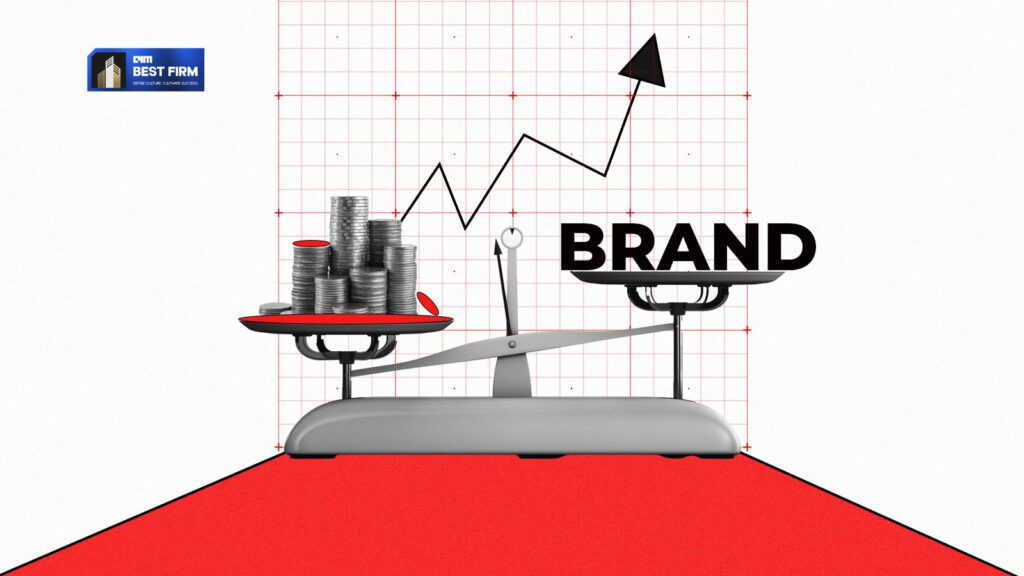
The ROI of Employer Branding in Data-Driven Teams
Hiring data scientists takes time, and delays slow down delivery for data-driven teams. Strong employer branding offers a practical solution by helping companies attract qualified talent faster, retain skilled employees longer, and build trust with clients and investors. The Best Firms Certification strengthens this strategy by providing independent proof of culture, capability, and employee experience. For organizations competing in analytics, AI, and data science, certification-based branding reduces hiring costs, improves retention, and signals long-term resilience. It turns visibility into evidence, helping companies stand out in a crowded market and secure a sustainable talent advantage.

Lyric.ai Appoints Srilakshmi Kesari as India HR Head
Lyric.ai has appointed Srilakshmi Kesari as Vice President and Country HR Head for India. With nearly 21 years of experience across HR functions, she will lead people strategy, talent acquisition and employee experience for the India centre. Kesari previously worked with TCS, Ness Digital Engineering, Synopsys and other firms.

Starbucks India Names Sakshi Sud as Head of Human Resources
Starbucks India has appointed Sakshi Sud as People Director and Head of Human Resources during a period of rapid expansion across the country. Sud brings experience from Beiersdorf, Infosys, ICICI Bank, Vodafone India, MSD, and the CK Birla Group. Her background spans several industries and large workforce environments. Starbucks India is opening more stores and adding new roles across its network. Sud will guide people practices that support hiring, development, and partner experience across locations.

How Top CHROs Fuse Culture and Capability to Future-Proof Talent
Organizations are pouring resources into AI tools and training, yet adoption continues to stall—not because of skills, but because of culture. While nearly all companies claim to be building AI capabilities, only about 1% consider themselves truly AI-ready. Employees are often more prepared than leaders realize, but without the right mindset, incentives, and leadership behavior, new skills fail to take hold. Top CHROs are bridging this gap by weaving culture directly into capability-building. Microsoft’s growth mindset, Amazon’s beginner’s mindset, Verizon’s data-driven leadership development, and Cisco’s Conscious Culture all prove the same point: learning sticks when culture supports it. The companies that excel pair targeted AI talent development with an adaptive, feedback-rich culture—and increasingly, with trusted third-party certifications that validate progress. Certifications don’t just measure skills; they anchor cultural accountability and provide a roadmap for continuous improvement. In the AI era, culture is not a backdrop to capability—it’s the catalyst.

AI Talent Shortage? Here’s What Makes Companies Stand Out
AI has created a new kind of bottleneck—not technology, but talent. Demand for AI professionals is outpacing supply by hundreds of thousands of roles, and every sector is competing for the same shrinking pool. Higher pay is no longer enough. What differentiates employers today is growth: structured learning, clear career paths, and cultures that support continuous skill development. This is where certifications matter. Unlike rankings, which measure perception, certifications provide evidence. Best Firms certification validates culture, programs, and employee experience with consistency. In a market where AI talent chooses employers carefully, proof outweighs promises. Companies that invest in real capability—and can demonstrate it—stand out. Certification converts recognition into credibility that lasts.

AI Helps Candidates Lie on Resumes
AI-assisted resumes are changing how Indian recruiters evaluate talent. Polished language and machine-crafted descriptions can mask real capabilities, making routine tasks appear strategic. Visual portfolios, coding samples, and content pieces can now be generated or refined by AI, creating the impression of expertise that may not exist. To counter this, employers are increasingly relying on real-time assessments, live problem-solving, and verification of digital footprints. Performance-based hiring and evidence-backed evaluation are becoming essential, ensuring that candidates’ skills are proven through action rather than polished resumes alone.

Adapting to the Shifts Redefining HR Leadership in 2025
HR in 2025 has moved beyond policy and payroll to shape business strategy. AI and data now guide hiring and talent decisions, but human judgment remains essential to ensure fairness and trust. Employees expect personalised growth and meaningful work, making well-being a core productivity driver. As companies adopt skills-based models and inclusive practices, HR’s role is no longer administrative. It designs culture, capability, and ethical leadership for the future of work.

HR That Talks Business Gets Heard
HR’s influence does not come from policies or engagement metrics, but from quantifying how people decisions affect performance, delivery, and profitability. When HR links hiring delays to revenue loss, attrition to project risk, or capability gaps to cost escalation, talent strategy becomes a business strategy. Presenting workforce metrics in terms of cost impact, delivery readiness, and productivity enables HR to contribute to forecasting, not just staffing. In this lens, HR’s value shifts from support to strategy, because talent decisions are shown as measurable drivers of business continuity and financial outcomes.
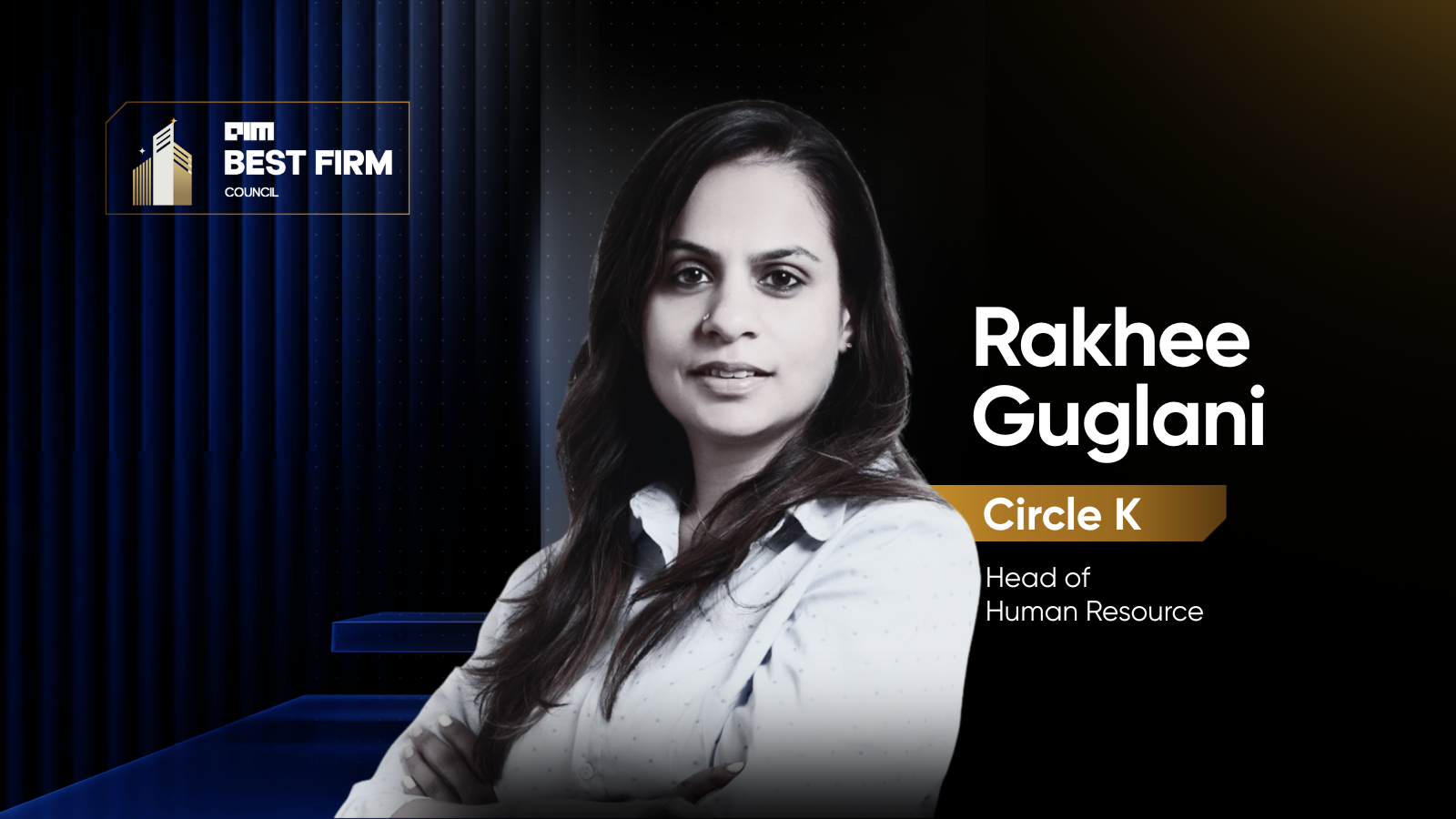
HR Vision Talk: Rakhee Guglani on Building Trust and Agility in Human Resources
“Empathy isn’t a soft skill; it’s the infrastructure holding us up when everything else is shifting,” says Rakhee Guglani, Head of HR at Circle K India, whose leadership approach blends empathetic clarity with practical strategy, emphasizing growth on employees’ own terms and the need for emerging leaders to act as culture carriers in a multi-generational workforce; while technology and data support decision-making, she insists they must never replace human judgment or ethical responsibility, reminding organizations that culture isn’t a campaign but a collection of everyday choices rooted in fairness, transparency, listening, and the consistent actions that build trust, making sustainable success possible only when leaders live their values and employees believe the organization will honor them.

HR Vision Talk: SatSure’s Parth Sharma on People, Culture, and AI
Artificial intelligence, for Parth Sharma, isn’t just a tool — it’s a mindset that reshapes how people think, work, and lead. As Director of People, Culture and Operations at SatSure, Sharma draws from his roots in aerospace engineering at ISRO, startup operations, and meditation to create balance in a world of rapid technological change. “AI should help people spend more time thinking, not typing,” he says — a reflection of his belief that technology should expand human judgment, not compress it. At SatSure, this philosophy shows up in practice, not policy. Teams adopt AI through real use cases — from building a knowledge GPT for instant information retrieval to hosting “Geek Speak” sessions where engineers share how they automate everyday tasks. Sharma treats culture like soil: when clarity, trust, and ownership take root, innovation grows naturally. His approach to leadership blends systems thinking with self-awareness. For him, the future belongs to teams with learning agility, pattern recognition, and judgment — the ability to know when to trust data and when to trust intuition. “AI will bring speed and structure,” Sharma says, “but meaning will always stay human.”