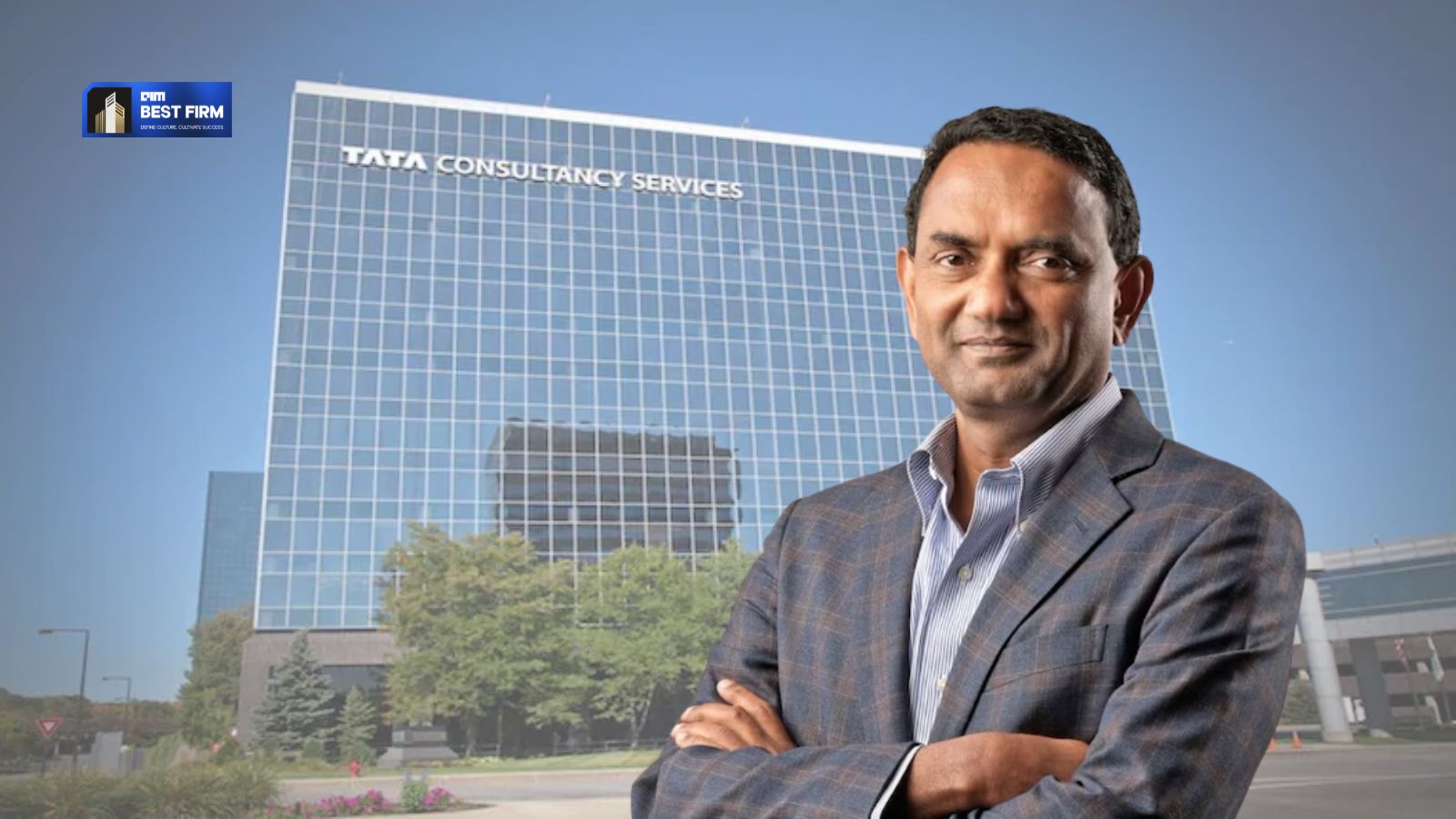
TCS Expands AI Expectations for Executives
Senior executives at Tata Consultancy Services have been instructed to actively build and experiment with artificial intelligence tools, signalling that technical participation is becoming part of leadership expectations.
Chief executive K. Krithivasan delivered the guidance at the Nasscom Technology Leadership Forum in Mumbai, stressing that senior managers must engage directly with AI development rather than rely solely on technical teams.
“We are insisting that every senior folk has to build something,” Krithivasan said, arguing that understanding AI requires practical involvement. Leadership believes executives who experiment with AI systems will make better strategic decisions and offer more credible guidance to clients. The instruction does not formally tie promotions to AI usage but establishes that familiarity with machine learning tools is now a professional expectation for senior roles.
The directive shows a shift in how technology firms define leadership capability. Traditional management skills remain important, yet executives are increasingly expected to understand the technologies shaping service delivery and productivity. Participation in development projects is intended to bridge the gap between strategy and implementation, so organisational decisions reflect operational realities.
TCS has extended AI access across the workforce to encourage experimentation and skill development. Employees are urged to apply AI in client projects and internal workflows to improve efficiency. Leadership argues that practical exposure will accelerate innovation and strengthen service offerings as automation becomes more common in IT services.
TCS Strategy Productivity Over Traditional Billing
The company has promoted AI adoption even when automation alters conventional revenue models based on labour-intensive delivery. Leadership has stated that productivity gains and improved service quality outweigh short-term financial adjustments associated with reduced billing. Staff are encouraged to recommend solutions that deliver faster outcomes for customers, enhancing a shift toward technology-enabled services.
Krithivasan addressed concerns about AI displacing employment, noting that the company views automation as a growth opportunity. “We are not afraid that this technology will take away our livelihood,” he said.
Workforce adjustments have accompanied these initiatives. In 2025, TCS reduced its global headcount by roughly 2% or about 12,000 roles primarily at middle and senior levels. Leadership described the changes as skill realignment to address evolving technology requirements. Training programmes have expanded to support employee upskilling and adaptation to AI-driven workflows, reflecting an emphasis on capability development rather than headcount growth.
AI investments also include infrastructure and partnerships. The company announced collaboration with OpenAI as the initial customer of a data centre initiative capable of supporting high-capacity computing workloads. The project begins with 100 megawatts of capacity and could scale substantially depending on demand, demonstrating a commitment to providing technological infrastructure for AI applications.
The hands-on directive aims to ensure executives understand how AI systems function in practice. Leadership argues that technical familiarity will improve decision-making and client discussions, enabling more informed strategies for technology deployment. Senior participation in development projects is expected to strengthen organisational alignment between strategy and execution.
Industry Race
The guidance at TCS mirrors initiatives across the technology and consulting sector where AI proficiency is becoming a professional requirement. Competitors are linking technology adoption to performance evaluations and career progression, showing recognition that digital skills influence service delivery and market competitiveness.
Accenture has introduced policies tying promotion decisions to the use of internal AI platforms. Reports indicate that associate directors and senior managers were informed that regular engagement with proprietary tools would factor into talent discussions. The approach emphasises visible adoption of technology as evidence of capability and alignment with organisational priorities. Leadership has stated that AI competence is central to strategic objectives and client service innovation.
Accenture has undertaken extensive workforce training to build AI skills with approximately 550000 employees receiving instruction in generative AI fundamentals. Training programmes focus on machine learning applications and automation techniques so staff can integrate technology into client solutions. The initiative reflects recognition that AI proficiency will shape competitive positioning in professional services.
Both TCS and Accenture face structural challenges as automation reshapes traditional service models. AI systems capable of generating code, analysing data and automating routine tasks reduce reliance on labour-intensive processes that historically supported outsourcing revenue. Companies are exploring new service offerings centred on digital transformation, data analytics, and strategic advisory capabilities.
Market conditions add complexity to these transitions. Technology equities and outsourcing businesses have experienced volatility as investors assess the long-term implications of generative AI. Concerns about pricing pressure and changing demand patterns influence investment sentiment. Service providers are responding by emphasising productivity improvements and innovation strategies that differentiate offerings from commoditised services.
Client expectations also shape adoption strategies. Organisations seeking faster and more cost-effective solutions may favour providers capable of delivering AI-driven services. Others prioritise strategic partnerships focused on transformation and data-driven decision making. Providers must balance automation benefits with customer requirements to sustain relationships and revenue streams.
Leadership engagement with AI development signals recognition that technical fluency will influence future competitiveness. Senior executives are expected to contribute directly to innovation efforts, so organisational strategies incorporate a practical understanding of technology. The approach aims to prepare leadership for evolving service models and client expectations shaped by digital transformation.
The IT services sector continues to navigate changes driven by automation and data technologies. Companies investing in skills development and infrastructure seek to position themselves for opportunities created by AI adoption. Senior participation in technical initiatives is intended to strengthen organisational readiness and support strategic decision-making.
Client relationships remain central to service strategies. Providers are combining AI capabilities with human expertise to deliver value-added solutions. Automation may reduce reliance on routine tasks while increasing demand for strategic advisory services and implementation support.
Leadership expectations for AI engagement reflect broader changes in professional services. Technical understanding is becoming a core competency for decision makers as organisations integrate digital tools into operations. Senior executives are being asked to understand and contribute to technological innovation so that strategy aligns with operational realities.
The direction of the industry will depend on how companies balance automation with service quality and customer relationships. AI adoption offers opportunities for efficiency and innovation but requires adjustments to traditional business models. Leadership participation in technology development is intended to guide organisations through these changes and maintain competitive relevance in a digital-first environment.

About Mansi Mistri
Mansi is a writer who enjoys breaking down complex topics into simple, readable stories. She is curious about how ideas move through people, platforms, and everyday conversations. You can reach out to her at [email protected].