Salesforce to Hire 1,000 Graduates Amid Rising Tech Layoffs as AI Reshapes Workforce
Salesforce plans to recruit 1,000 graduates and interns, even as layoffs accelerate across global technology firms, highlighting a widening gap between early-career hiring and broader workforce reductions driven by artificial intelligence.
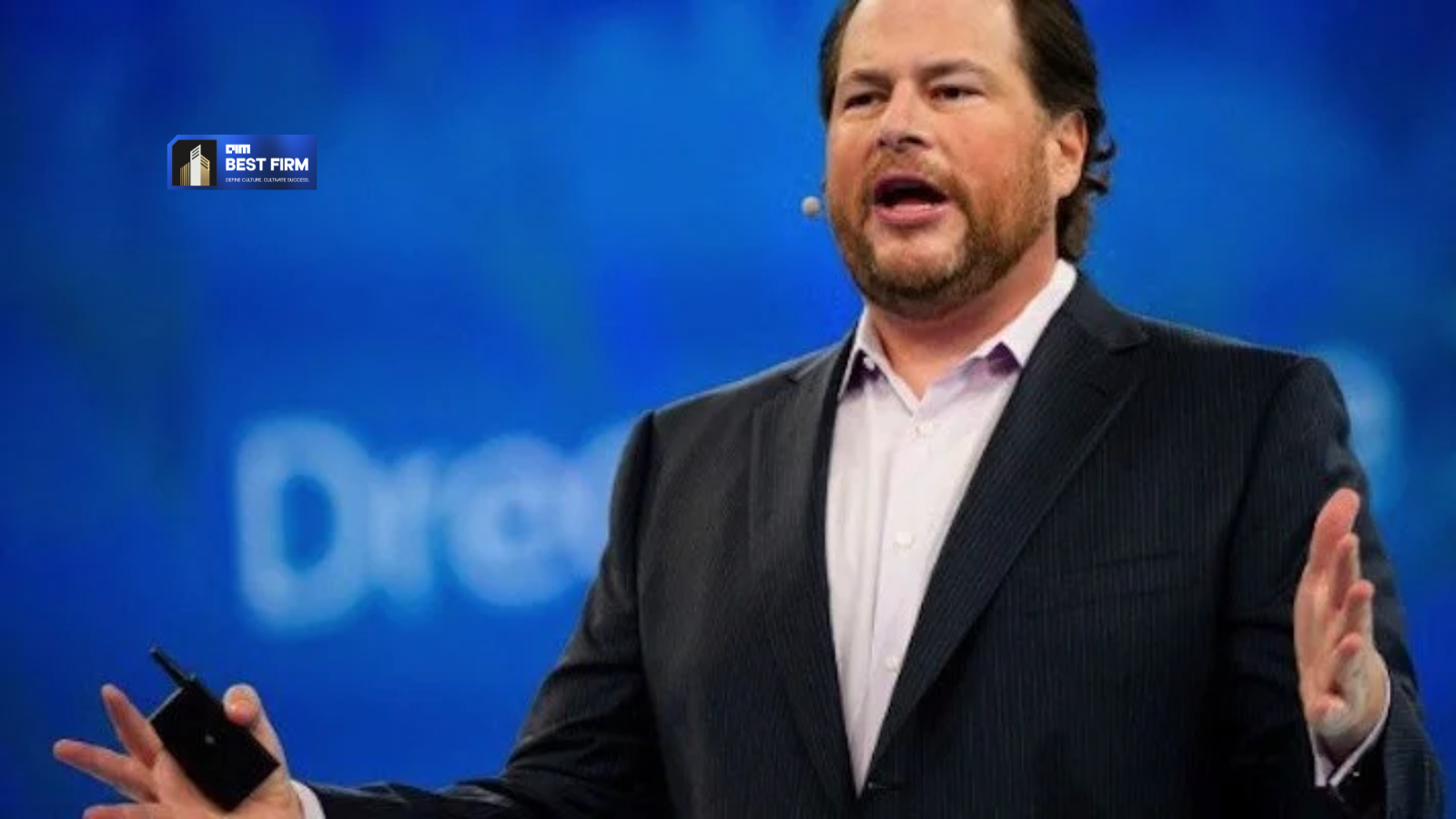
Chief Executive Marc Benioff announced the hiring push on April 25, positioning it as part of the company’s strategy to build AI-led products and capabilities.
“They said AI would kill entry-level jobs. Meanwhile, these grads and interns are building it,” Benioff wrote, adding that new hires will contribute to platforms such as Agentforce and Headless 360.
The move comes amid an ongoing debate over whether AI will reduce opportunities for young professionals. Data cited in recent reports suggests a more nuanced reality: hiring of new graduates has increased 5.6% year-on-year, while unemployment among degree holders aged 20-24 has declined to 5.3% from 8.9%.
However, concerns persist. Anthropic CEO Dario Amodei has warned that AI could eliminate up to 50% of entry-level white-collar jobs within five years, describing the potential disruption as unusually severe.
The hiring initiative stands in contrast to widespread job cuts across major tech companies. Meta plans to cut over 8,000 roles, while Microsoft is offering buyouts to nearly 7% of its US workforce. Snap Inc. is reducing its global staff by up to 16%, Oracle has initiated large-scale cuts, and Block, Inc. is laying off more than 4,000 employees.
According to Layoffs.fyi, over 81,200 employees across 97 tech firms have been laid off so far in 2026, underscoring the scale of restructuring across the sector.
The primary driver behind these workforce reductions is a shift in capital allocation, as companies channel more resources into AI infrastructure, including automation tools, cloud capacity and advanced data systems. This transition is reshaping cost structures, with firms seeking to balance rising AI investments by reducing workforce expenses.
At the same time, Salesforce’s hiring push signals that demand for early-career talent has not disappeared but is evolving. Companies are increasingly prioritising candidates with skills aligned to AI development, deployment and integration.
The divergence between hiring and layoffs reflects a broader transformation in the labour market: while overall headcounts may shrink, investment in future-ready talent continues. For graduates, this creates a mixed outlook—opportunities remain, but expectations around technical capability and adaptability are rising.

About Shalini Mondal
Shalini is a senior tech journalist, exploring the latest advancements in AI and the GCC sector. When she's not reporting on the latest innovations, you can find her immersed in her next literary adventure.