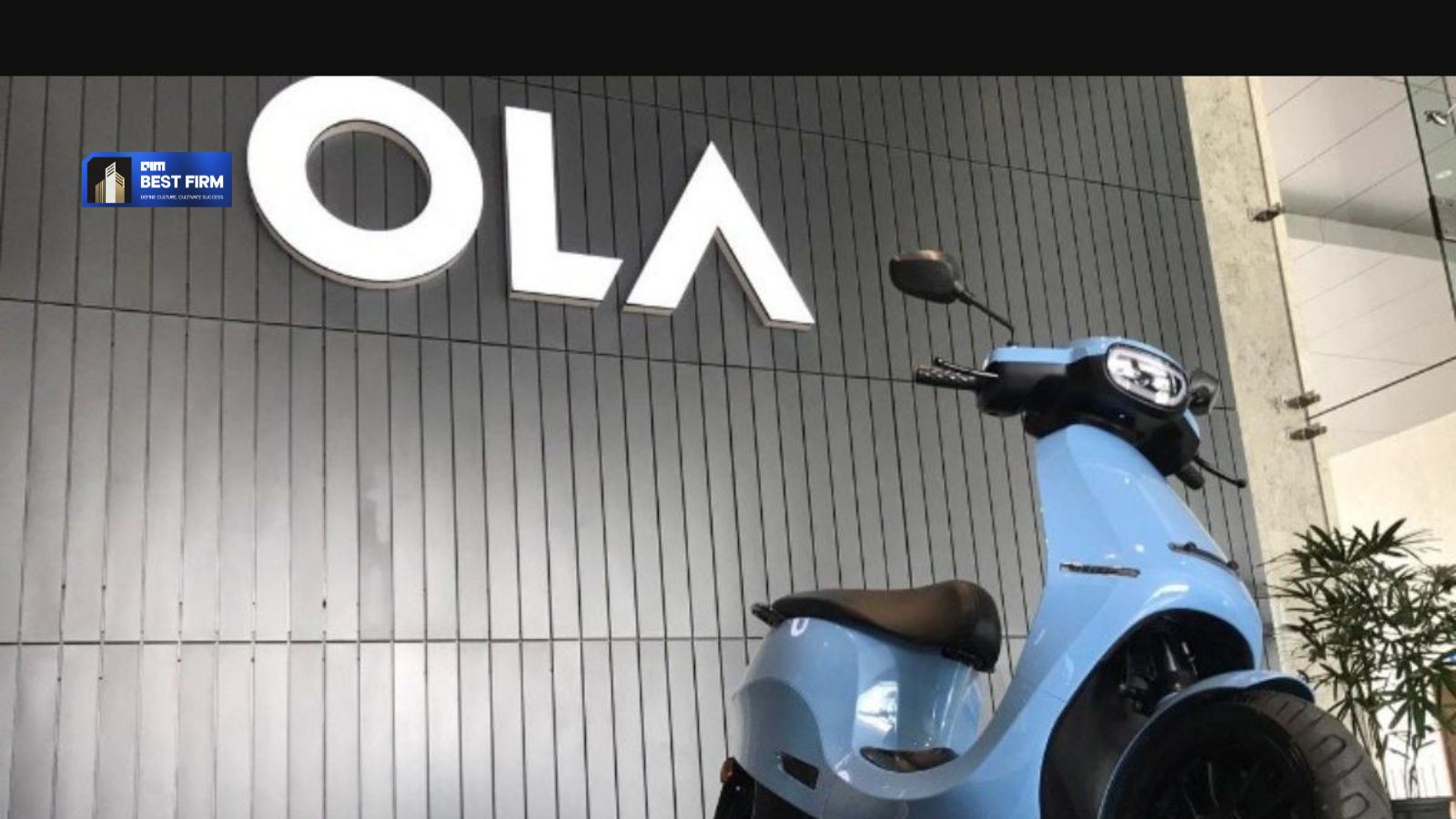
Ola Electric to Cut 5% of Workforce as Sales Slow
Ola Electric Mobility will reduce its workforce by about 5%, affecting roughly 620 employees, as India’s largest electric scooter maker intensifies cost-cutting efforts amid falling revenue and rising losses.
The Bengaluru-based company said the job cuts are part of a restructuring programme aimed at improving efficiency and increasing automation across several frontline functions. This is the company’s third round of layoffs since late 2024, amid sustained pressure on the business.
Ola Electric had a total headcount of around 12,396 employees as of March 31, 2025. The latest reduction follows earlier job cuts of about 500 roles in late 2024 and more than 1,000 positions in March 2025, according to previous disclosures.
The repeated workforce reductions are a shift in priorities for the company, which had expanded rapidly during the early phase of India’s electric two-wheeler adoption. Management has said the restructuring is intended to align operating costs with current demand levels as growth slows and competition increases.
Once the clear market leader in electric scooters, Ola Electric has struggled over the past year with weaker sales momentum, operational issues, and increasing competition from both established manufacturers and focused electric-vehicle players.
Financial Pressure and Operational Reset
The decision to cut jobs comes amid a sharp deterioration in Ola Electric’s financial performance. In the first quarter of FY26, the company’s revenue from operations fell nearly 50% year-on-year to ₹828 crore, compared with ₹1,644 crore in the same period last year, according to regulatory filings.
Net losses widened 23% to ₹428 crore during the quarter, affecting lower volumes and continued pressure from fixed costs. The company has faced difficulty balancing its cost base against slowing demand, prompting management to take deeper corrective measures.
Ola Electric said the restructuring is focused on supporting operational discipline, reducing fixed expenses and expanding the use of automation across sales, service and support functions. Executives have previously told investors that tighter controls are required as the company reassesses its growth plans in a more constrained funding environment.
Investor concerns have been visible in the company’s stock performance. Since its initial public offering in August 2024, Ola Electric’s shares have fallen sharply after an initial surge, losing more than half of their peak value, according to Bloomberg data. The decline has followed weaker financial results and concerns around execution.
Alongside the latest layoffs, Ola Electric has lowered its FY26 revenue guidance to ₹30–₹32 billion, down from an earlier forecast of ₹42–₹47 billion. The revised outlook indicates a more cautious approach as the company prioritises cost control and loss reduction over aggressive expansion.
The scale and frequency of workforce reductions suggest that the company’s challenges are structural rather than temporary. While Ola Electric continues to invest in product development and manufacturing capacity, management has acknowledged the need to operate with a leaner organisation.
Competition and Market Share Shifts in India’s EV Two-Wheeler Market
Ola Electric’s operational reset is taking place as competition in India’s electric two-wheeler market intensifies. Rivals including Bajaj Auto, TVS Motor and Ather Energy have steadily increased their presence, gaining ground as Ola Electric’s sales momentum has weakened.
Industry data show that Ola Electric’s market share has declined significantly, falling from over 35% at its peak to around 15% by 2025. During the same period, traditional two-wheeler manufacturers have expanded electric scooter offerings while using their established dealer networks and service infrastructure to support growth.
Bajaj Auto and TVS Motor have scaled up electric vehicle production alongside their conventional two-wheeler businesses, allowing them to spread costs and maintain wider service coverage. Ather Energy, backed by Hero MotoCorp, has focused on selective expansion and execution consistency, helping it gain share in key urban markets.
Media reports have pointed to service delays, registration backlogs and customer complaints that have affected deliveries and weighed on consumer confidence. These issues have added pressure at a time when buyers have more alternatives than in earlier years. Having expanded quickly to capture demand, the company is now working to stabilise operations and reduce losses as established manufacturers and well-funded rivals consolidate their positions.

About Mansi Mistri
Mansi is a writer who enjoys breaking down complex topics into simple, readable stories. She is curious about how ideas move through people, platforms, and everyday conversations. You can reach out to her at [email protected].