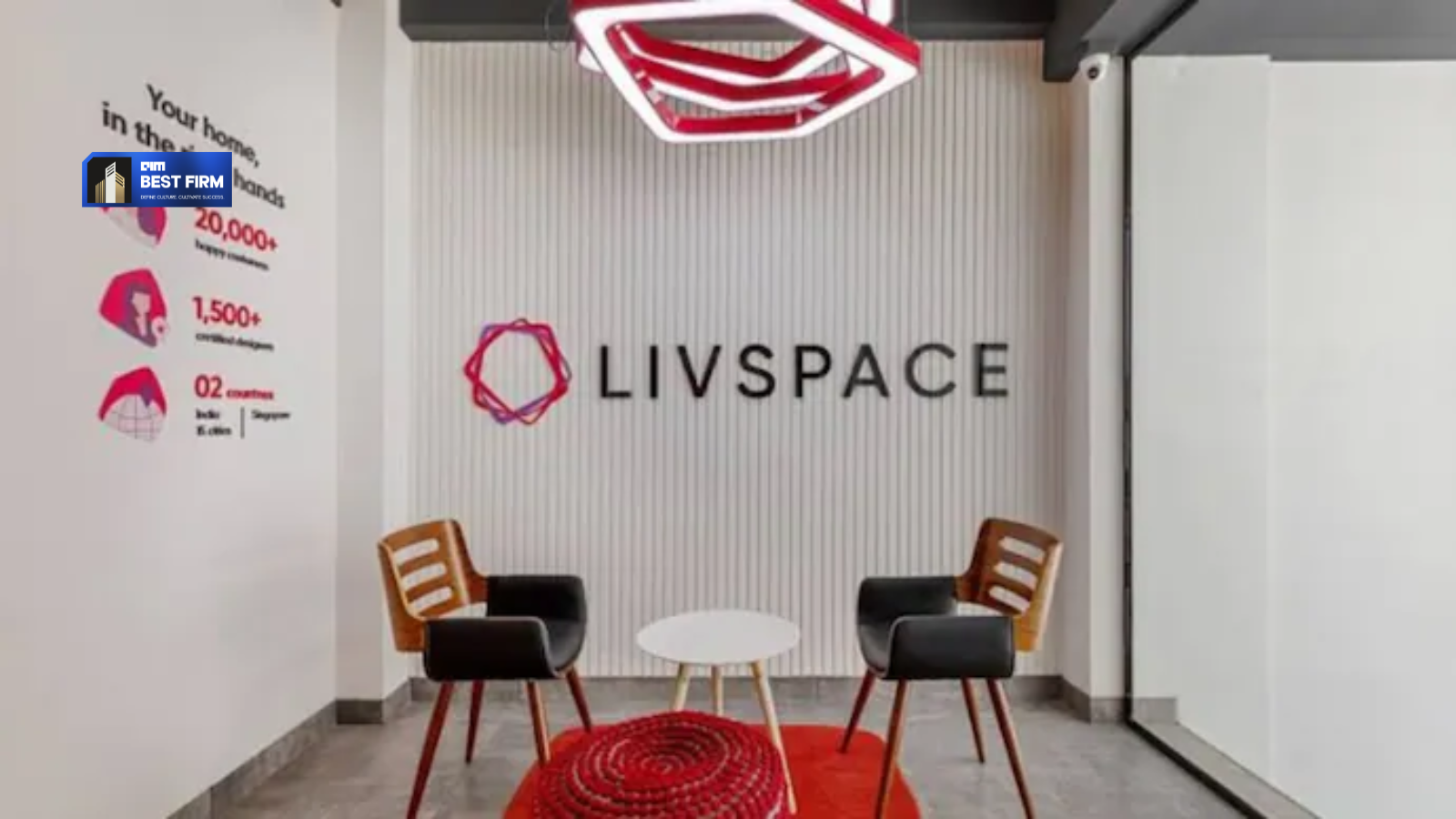
Livspace Lays Off Around 1,000 Employees as Co-founder Exits
Livspace, the Bengaluru-based home interiors and renovation platform backed by KKR, has laid off approximately 1,000 employees, representing about 12% of its workforce.
The company stated that the reductions are part of a resource reallocation linked to the adoption of automation and artificial intelligence systems across business operations. Management said these systems are being deployed to handle routine tasks, allowing employees to focus on higher-value activities.
This workforce adjustment is the third major reduction in recent years. Earlier cuts included around 450 roles during the Covid-19 period in 2020 and smaller adjustments in 2023, making alignment of staff with operational priorities. For the fiscal year ending March 2025, Livspace reported revenue of ₹1,460 crore and reduced losses by approximately 42%. Profitability remains a stated focus for the company.
Livspace operates a technology-enabled platform that connects homeowners with interior design and renovation services. The platform combines digital design tools with project execution through a network of professionals. According to company statements, AI systems have been introduced in areas such as design workflows, project coordination, and lead management to improve efficiency and reduce manual workload.
The home interiors market is capital-intensive and competitive, with platform businesses relying on efficient project execution and customer acquisition. Funding conditions for growth-stage companies have tightened in recent years, leading organisations to prioritise operational efficiency and cost management.
Leadership Transition After a Decade of Growth
Co-founder Saurabh Jain has stepped down after more than a decade with the company. In a LinkedIn post announcing his departure, he said, “After more than a decade building Livspace, I’m stepping into my next chapter with pride in what we’ve created and clarity about what lies ahead.”
Jain joined Livspace in 2015 and most recently served as Chief Business Officer. His operational responsibilities conclude with his exit, while management has confirmed continuity in strategic direction and ongoing focus on technology-driven operations.
Livspace was founded in 2014 and achieved unicorn status after a $180 million funding round, bringing KKR as among its key backers in 2022. The company operates across India, Southeast Asia, and the Middle East, providing services in home renovation and interior design through a combination of digital tools and physical project execution.
Market and Operational Environment for Home Interiors Platforms
Platform businesses in technology-driven sectors adjust staffing and structures to align resources with operational priorities. Workforce changes have occurred across multiple companies in recent years.
Zomato Limited reduced roles in 2022 and 2023 as part of efficiency measures and operational realignment, including consolidation of customer support functions and automation of service workflows. Byju's implemented staffing adjustments during restructuring linked to financial pressures and operational changes in the education technology sector, with reported reductions across multiple teams. Swiggy has undertaken workforce changes in prior years while expanding quick commerce operations and technology capabilities.
The home interiors sector combines digital platforms with traditional service delivery. Companies use technology to improve workflow efficiency and coordination between design teams and execution units. Platform models depend on efficient project management and customer experience to support operational objectives.
Funding conditions for growth-stage organisations influence resource allocation and strategic planning. Businesses in technology-enabled domains often prioritise operational efficiency and financial discipline as investment environments evolve. Workforce adjustments in such contexts show organisational decisions about resource deployment rather than isolated industry trends.
Livspace continues to operate its interior design and renovation platform across markets. The company combines digital tools with professional execution to deliver projects and manage customer requirements. Technology integration remains central to operational workflows and productivity initiatives.

About Mansi Mistri
Mansi is a writer who enjoys breaking down complex topics into simple, readable stories. She is curious about how ideas move through people, platforms, and everyday conversations. You can reach out to her at [email protected].